Masjien Forest

We’re excited to announce the growing Masjien Forest in Congo, a result of our partnership with Go Forest, a dynamic organization founded in 2020 by Sarah Parent and Antoine Geerinckx, with a mission to plant trees, restore ecosystems, and inspire sustainable action across the globe.

Go Forest collaborates with experienced reforestation partners, combining nearly 15 years of expertise with fresh enthusiasm and a vision for a greener future. Their holistic approach focuses on accelerating nature recovery, ensuring that the right trees are planted and nurtured in the right places, and supporting local communities along the way.

That’s why we’re proud to have a structural collaboration with Go Forest in which we balance our daily activities with an offset and have been planting trees monthly since January 2024.

Together with Go Forest, we’re committed to creating a long-term impact by restoring biodiversity, promoting climate resilience, and empowering people to invest in nature. Our partnership aims to make sustainability more accessible for companies, communities, and individuals alike, inspiring them to take meaningful action and give back to our planet.
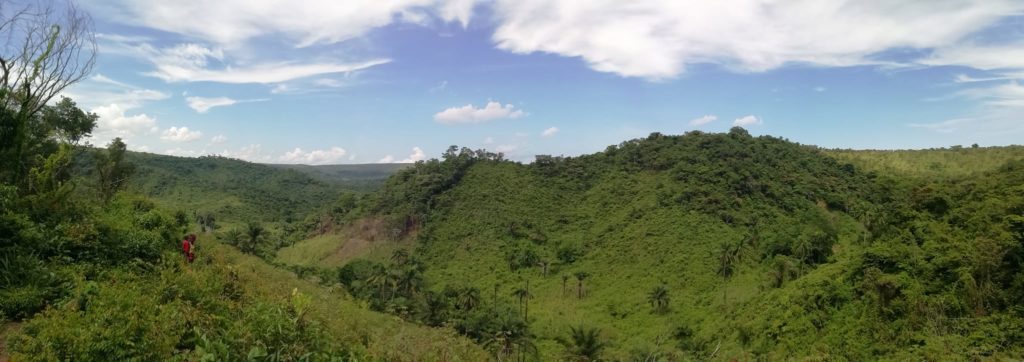


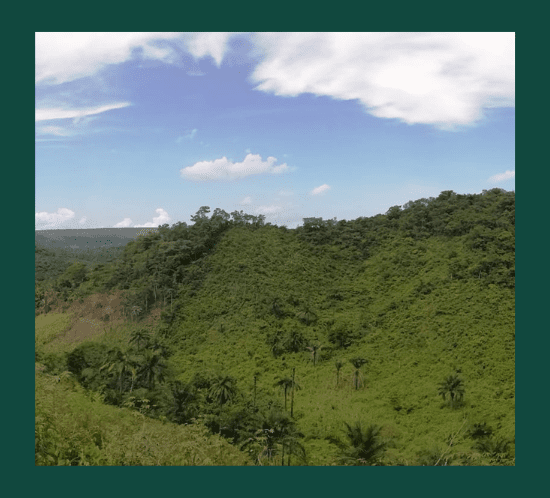
Our Masjien Forest is located in Ingung Kapia, in the Democratic Republic of Congo. We plant native species on degraded soils to restore biodiversity and create local jobs. Our reforestation program aims to prevent desertification and reduce pressure on DR Congo’s old-growth jungle through sustainable forest management and selective logging, primarily planting local tree species mixed with Acacia.

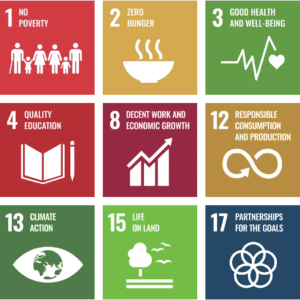
This project in Ingung Kapia supports 9 UN Sustainable Development Goals.
Join us on this journey as we work hand-in-hand with Go Forest to grow a healthier, greener world, one tree at a time.

Did you know you can also buy a voucher to gift a tree from our non vending Masjien to nurture and grow our Masjien Forest?   And not only that, all proceeds made through our non vending Masjien is used to plant trees. So everybody can participate and create change together!
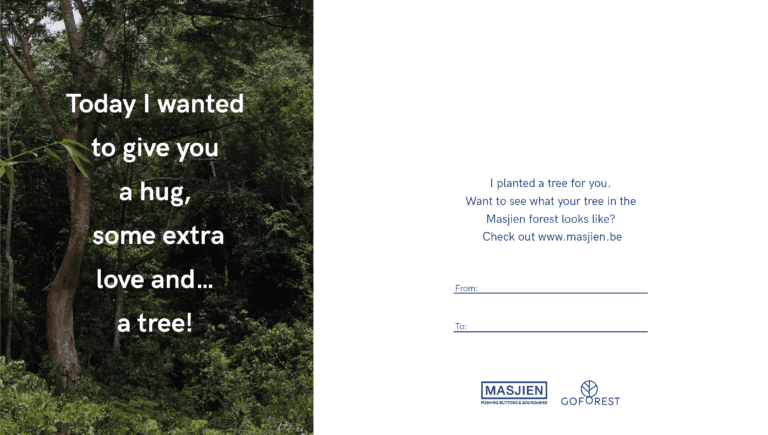
We keep track of our impact with an impact board and yearly receive a blockchain certificate that represents our offset by a sustainability checker based in Leuven.

Deforestation and Reforestation

Deforestation has significant and far-reaching effects on our planet. It leads to the loss of biodiversity as countless species lose their natural habitats, pushing many toward extinction. The removal of trees also disrupts the carbon cycle, contributing to increased carbon dioxide levels in the atmosphere and accelerating climate change. Additionally, deforestation affects local communities, reducing access to vital resources such as clean water and fertile soil, and increasing the risk of flooding and soil erosion. The impact of deforestation is a global concern, affecting ecosystems, climate stability, and human well-being.

Reforestation plays a crucial role in counteracting the damaging effects of deforestation. By planting trees, we can restore lost habitats, protect biodiversity, and revive ecosystems that have been degraded. Reforestation helps sequester carbon dioxide, mitigating climate change by balancing the carbon cycle. It also stabilizes soil, prevents erosion, and enhances water quality, benefiting both local communities and wildlife. Additionally, reforestation creates jobs, supports sustainable livelihoods, and empowers communities to manage their natural resources responsibly.

Contact us to learn more about the effects of de- and reforestation during a Climate Fresk Workshop, which Masjien is certified for, or where to find or non vending Masjien today so we can plant trees together!
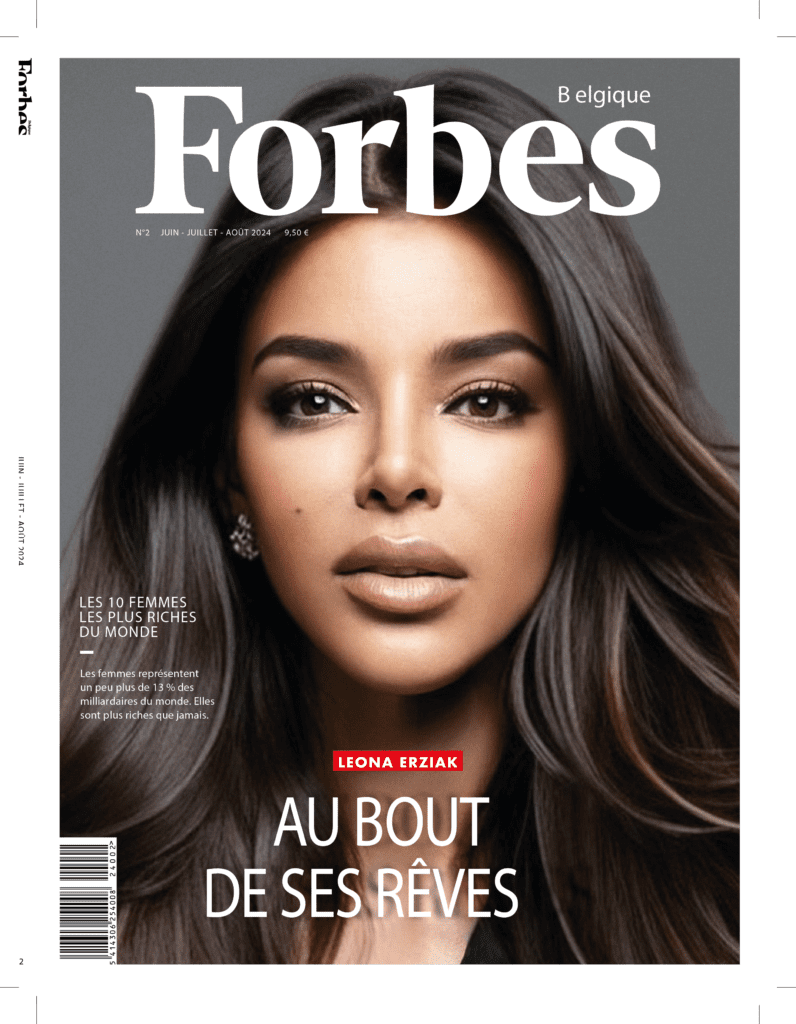
 

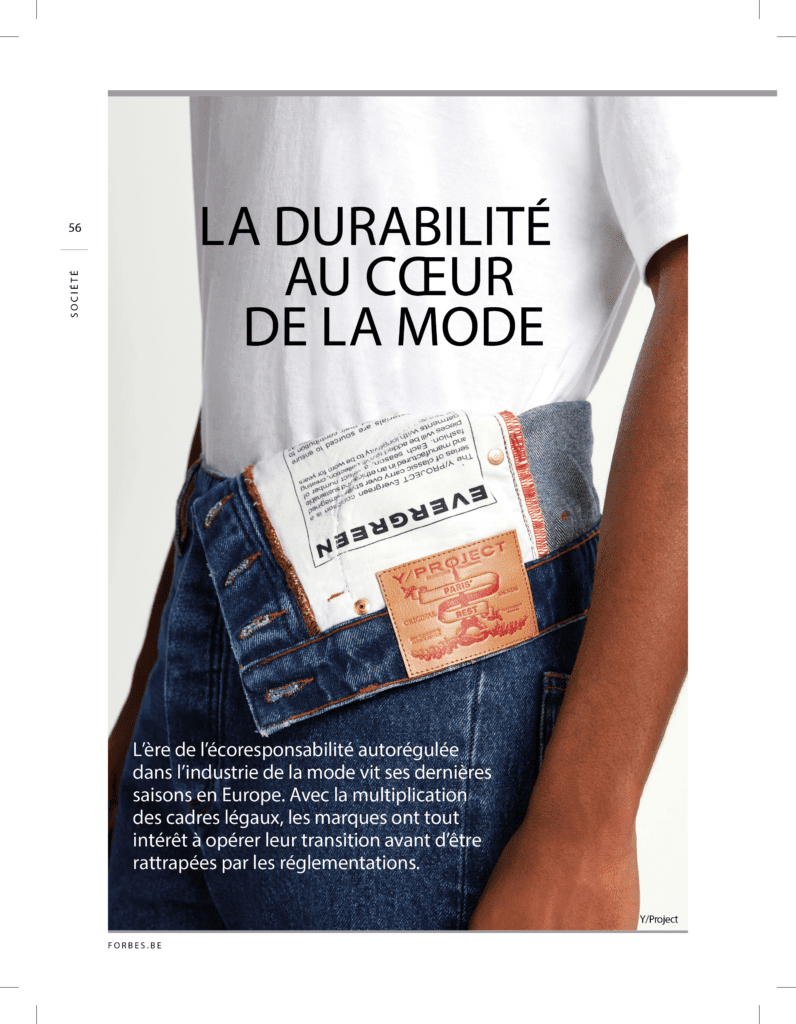
Interview Forbes Benelux: The Price of Sustainability in Fashion

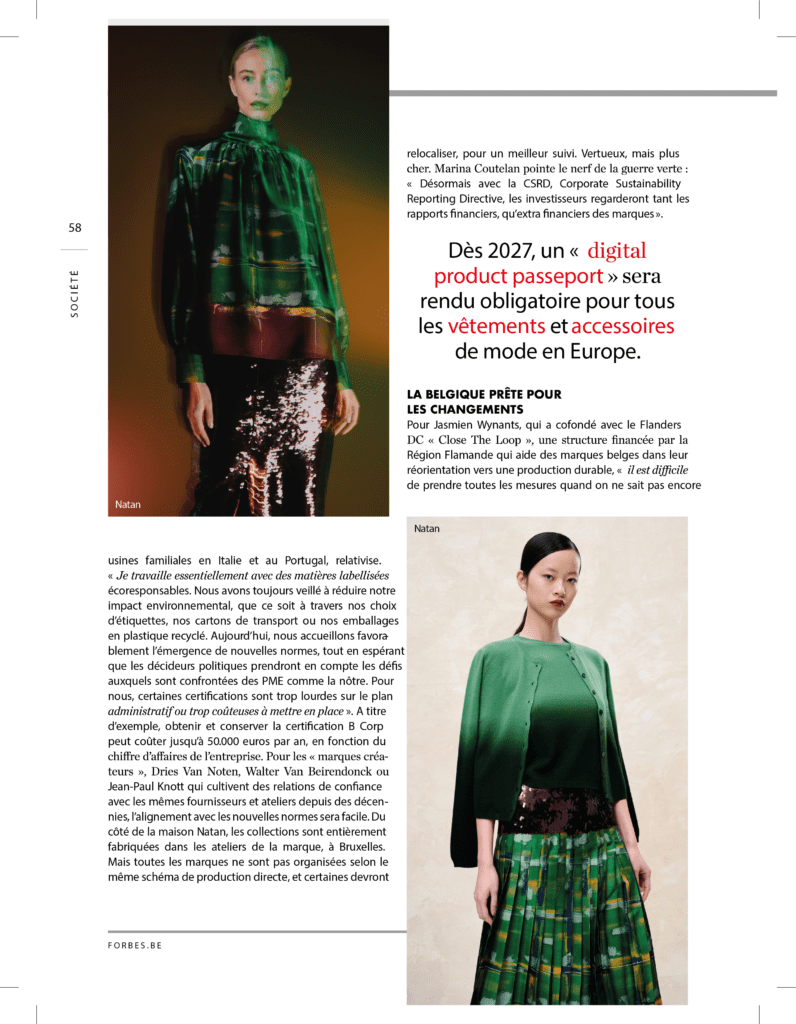
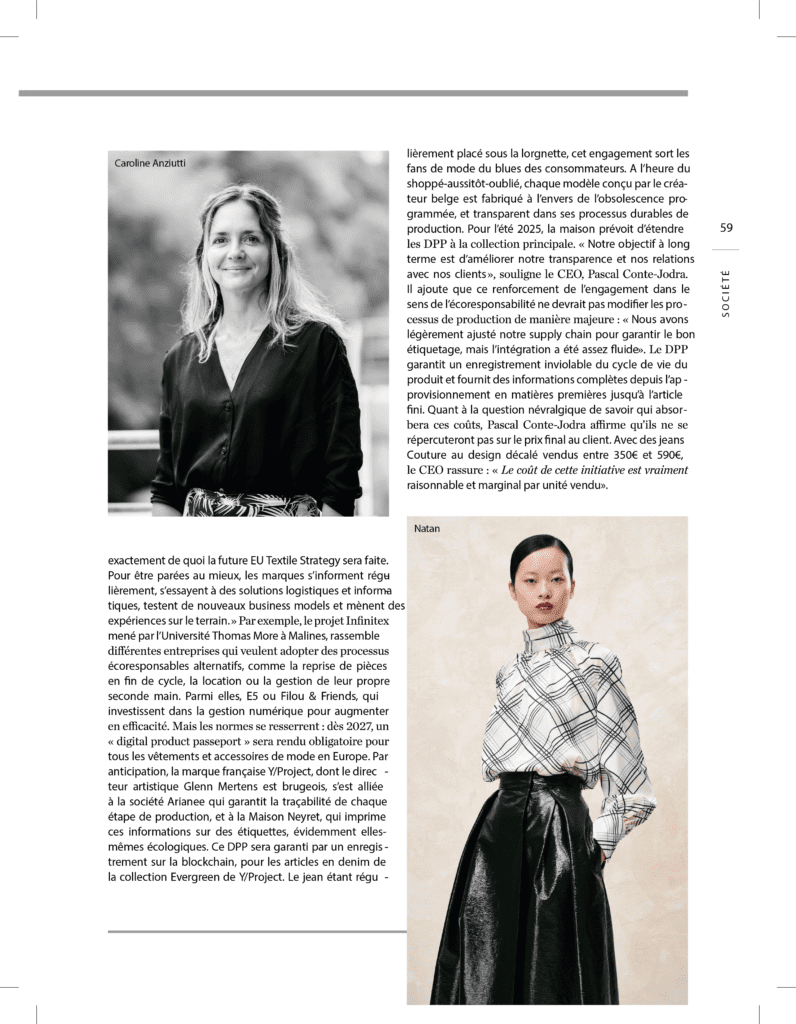
Forbes asked Jasmien whether Belgium is ready for changes. She noted that it is challenging for Belgian brands to take comprehensive measures toward sustainability without knowing the specifics of the upcoming EU Textile Strategy. To prepare, brands are staying informed, testing logistics and IT solutions, exploring new business models, and experimenting with sustainable practices. 

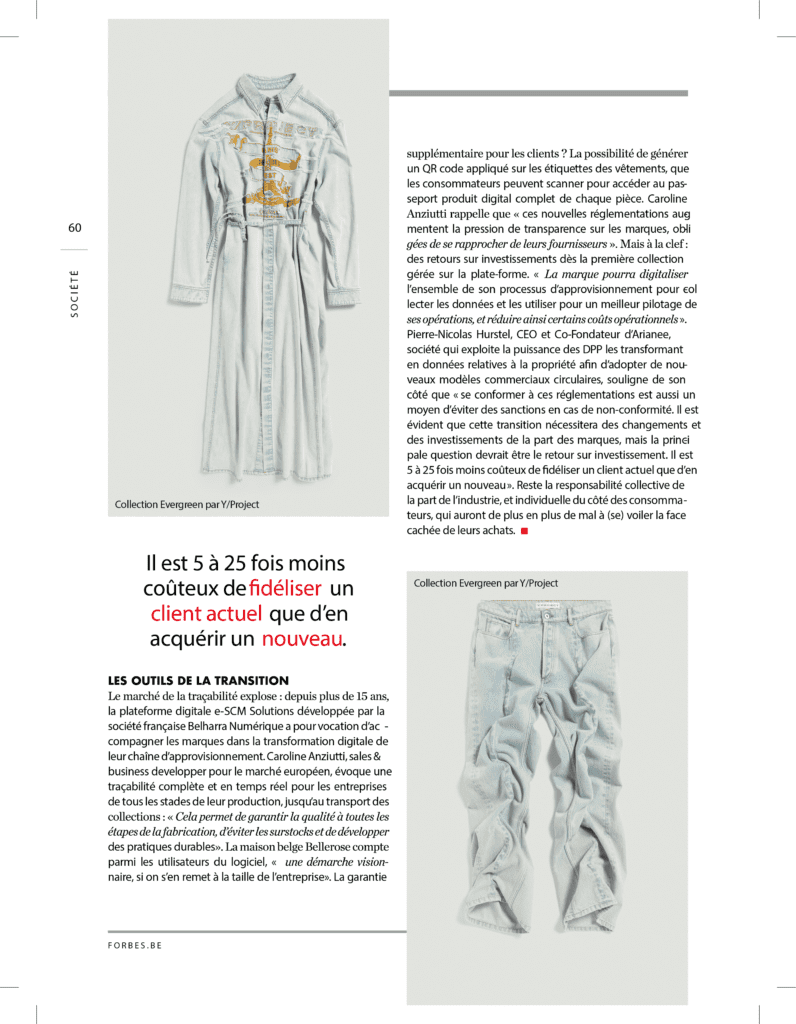
The Infinitex project, led by Thomas More University in Mechelen, supports companies in adopting eco-friendly processes, such as recycling end-of-life products and managing second-hand goods. Companies like E5 and Filou & Friends are investing in digital management to enhance efficiency. From 2027, a “digital product passport” will become mandatory for all clothing and fashion accessories in Europe.

Read the full article below:

Interview Knack Weekend: How do we create a more beautiful fashion sector? 9 Tips from responsible fashion fans for Fashion Revolution Day

Today is Fashion Revolution Day and also the 11 year anniversary of the Rana Plaza disaster in Bangladesh where 1,134 people were killed and more than 2,500 others got injured, because the building collapsed. During Fashion Revolution Week, we remember the lives lost and demand that no one should die for fashion.

Each year Fashion Revolution Week has a theme and this year it’s ‘How to be a fashion revolutionary’. Knack reached out to ask Jasmien and 8 others for a tip on how you can have an impact on the fashion sector.

Jasmien’s tip? Chat while shopping. With each other and with the people in the store. You will find that it makes the shopping experience more fun, interesting and sustainable.

In the article, Jasmien mentioned that she recently went shopping with my dear friend Laura in  Barcelona and with a group of friends in Brussels. She discovered some nice local stores and brands during her trip and wanted to share two of her favorite past ‘shopping  = chatting’ experiences : 

  • Psyche Store in Brussel where Jasmien bought a pièce unique jacket by Eva Maria Bogaert. Eva works with fabric surpluses, end-of-series and accidental finds. Once a piece is sold, there will be no second. While standing in the store, the shop personnel and her friends actually helped her answer the question ‘Will I wear it 30 times?’ out loud. 
  • Recraft in Barcelona. They give hot air balloons a second life by making hats, bags, coats and so much more. They had a great chat with founder Tomas, who explained the difficulties of pricing and sustainable entrepreneurship with his amazing start-up.

Masjien would like to end with reminding you that anyone can have an impact on the sector. If we want to change the current circumstances we always need activists to stand on the barricades to demand action, but that doesn’t mean that there is nothing that you can do. The slogan of this year’s Fashion Revolution Week is ‘There are different ways to take part in the revolution’ and I couldn’t agree more.

Make sure to also read the useful tips from Elisabeth Van Lierop, Niki de Schryver (COSH!), Eline Reynders, Jonathan Janssens (Fair Fashion Fest Gent), Laura Van De Woestyne, Nina Maat (MUCE),Marieke Eyskoot and Fiore Farhand

Flanders Technology & Innovation Antwerp

The first edition of the FTI festival took place from March 15 to 24. The Ten Days of Tech put innovation and technology in the spotlight. 177,500 visitors immersed themselves in the latest technologies.

Masjien was curator of the fashion track in Hasselt and Antwerp.

On Saturday 23 and Sunday 24 March 2024, creativity, technology and innovation came together in Antwerp during the FTI Closing Festival. Enthusiasts took a look at the future of Fashion, Energy, Health, Mobility, Nutrition, Education, Digital life, Data privacy and Entertainment. The closing festival was an experience trail for young and old through the city and took visitors into the wonderful world of technology and innovation.

The fashion track was located in the Lotto Arena and had 3 parts that each showed different cases:

  • Fashion & Tech: innovations in the fashion sector
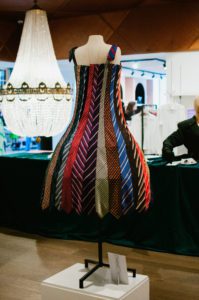
  • Circularity: how to make the sector more beautiful with sustainable initiatives
  • Future Front Row: the holographic fashion show


Some highlights

Fashion & Tech: innovations in the fashion sector

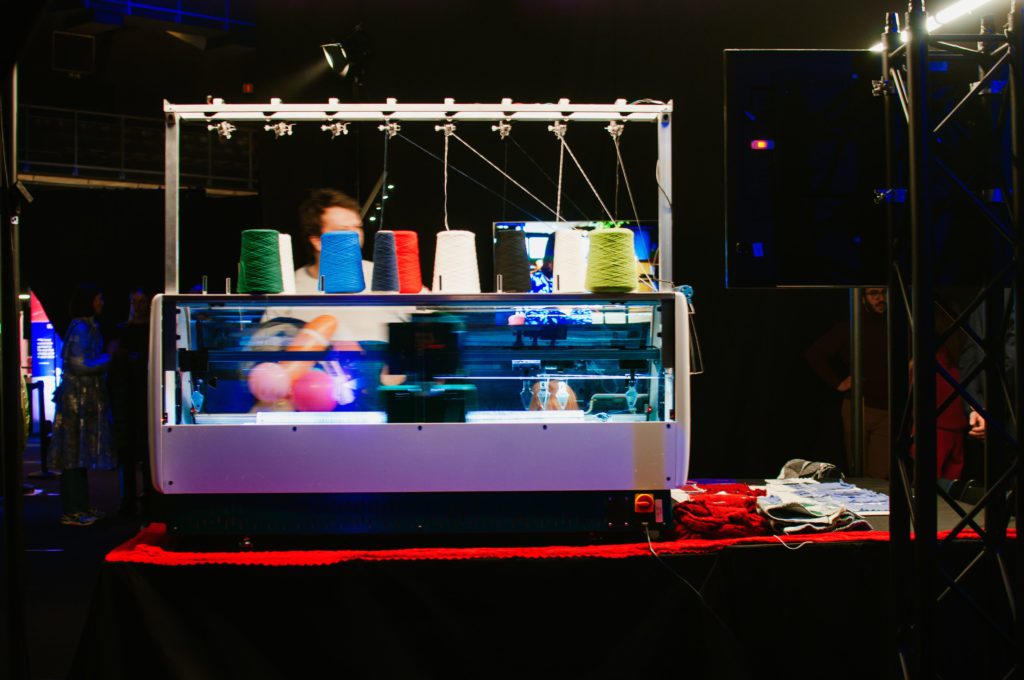
  • 3D knitting machine from the Antwerp Design Factory, part of the University of Antwerp.
  • AR effects by Playar and Sarah Mayer.
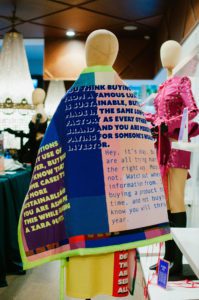
  • The Masjien office, a nice summary of the tools, skills and possibilities a fashion designer has at his or her disposal today to design and do business in a future-oriented manner. 

Circularity: how to make the sector more beautiful with sustainable initiatives

  • The Limburg Six showed their projects here, such as the apple leather look by Sander Bos, the DIY bag by Jordy Arthur and the backstage of a fashion show styled by Marie van Puybroeck, who proves that sustainability can also be colorful and inspiring.
  • Handbags made from mycelium, a collaboration between MycaNova and Lies Mertens
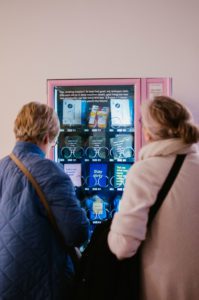
  • The non-vending masjien, a vending machine full of objects that encourage sustainability or are made according to circular principles. On top of that, you plant a tree in the Masjien forest with every purchase and we create impact together. 

Future Front Row:
Every hour you could join the holographic fashion show, an inclusive and creative experience that lets you experience fashion in a different way. A digital fashion show as a sustainable alternative and creativity without limits.

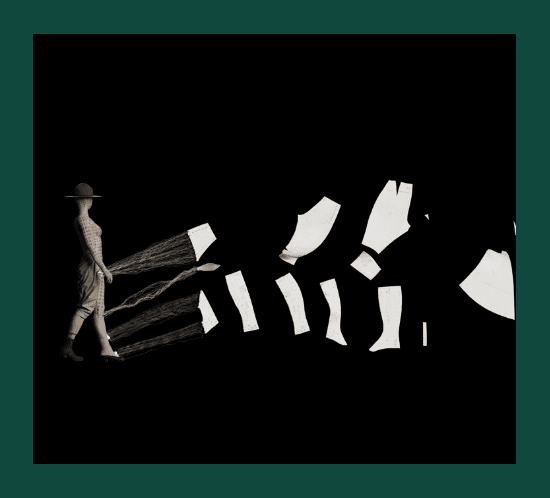
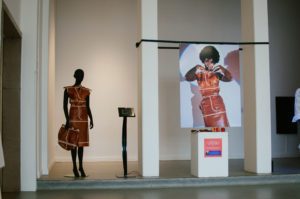
We launched the very first holographic catwalk of a historic riding costume from the archives of MoMu Antwerp. A project initiated by Masjien, developed by d’Archive in collaboration with digital textiles from Bakermat and a custom-made soundscape by Lola – Lolalita – Ilegems.

At FTI Antwerp you could discover 26 installations that demonstrated how innovation can drive the fashion sector. 

Of course Masjien loved putting together this programme, pushing buttons and boundaries, taking as many people as possible on this fantastic journey to a more futureproof sector.

Flanders Technology & Innovation Hasselt

The first edition of the FTI festival took place from March 15 to 24. The Ten Days of Tech put innovation and technology in the spotlight. 177,500 visitors immersed themselves in the latest technologies.

Masjien was curator of the fashion track in Hasselt and Antwerp

From Saturday 16 until Thursday 24 March 2024 circularity took over Hasselt during the FTI festival.

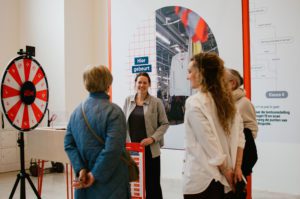
During this inspiring event, attendees discovered the significant impact clothing has on the environment and explored innovations making fashion more sustainable and beautiful. Through a variety of installations, workshops, and talks, the track showcased progressive brands, new revenue models, and cutting-edge technologies.

The track was open to the general public and included a special B2B offering. Ambassadors of this track, the Limburg Six, contributed their own installations and were joined by a network of partners including VITO, Stad Hasselt, Thomas More, Flanders DC, Avansa, Befrako, Cosh, Swishing Belgium, and more.

Visitors could explore a wide range of activities at Z33, the Fashion Museum, La Bottega, and throughout the shopping streets of Hasselt. 

Exhibitions & Installations

  • Projects by the Limburg Six: Discover the innovative work of our ambassadors.
  • Expo “Color Confidence”: Learn about future-forward textile dyeing methods.
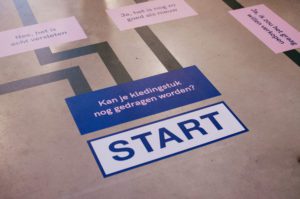
  • Decision Tree: Find out what to do with clothes you no longer wear.
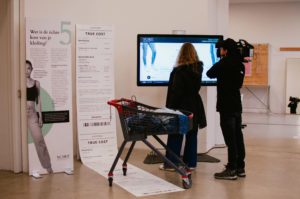
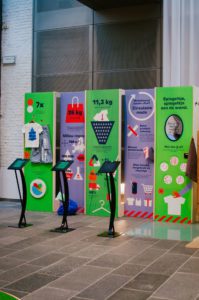
  • VITO’s Real Cost Simulator: Calculate the hidden ecological and social costs of your T-shirt.
  • Nanex Demonstration: See how to better protect your clothes, wash less, and reduce your carbon footprint.
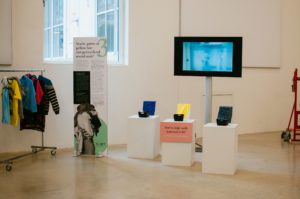
  • Masjien’s ‘Non-Vending Machine’: Experience a unique installation where you pay to buy nothing.
  • SCIRT & INFINITEX Research Projects: Explore the future of textile recycling and new revenue models in fashion.


Interactive Activities & Workshops

  • COSH Shopping Card: Discover Hasselt in a sustainable way with our new shopping guide.
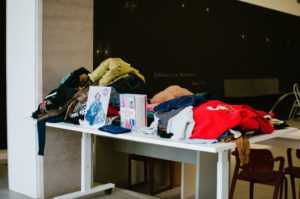
  • Swishing Clothing Exchange: Swap your pre-loved clothes for something new-to-you.
  • Upcycling Workshop: Create a unique bag from old city banners and flags, designed by fashion designer Jordy Arthur in collaboration with Avansa.
  • Creative Studio by Stitchlie: Learn upcycling and repair skills, powered by Befrako
  • VITO Knowledge Quiz: Test your sustainability knowledge with an interactive installation by VITO.
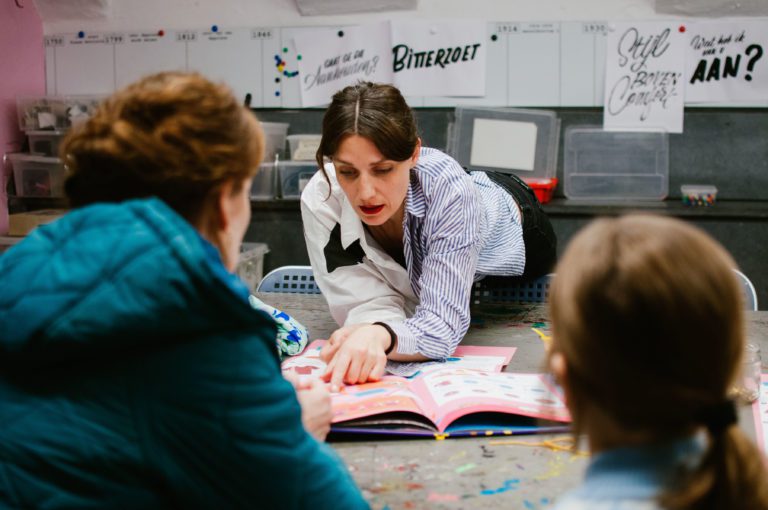
  • Children’s Book Open Studio: Step into the world of “Do Trousers Grow on Trees?” and weave your own dream catcher from old textiles.
Short Lecture Series by Tessa Borrenberghs:  a series of insightful talks titled “The Impact of a Good Product.”

Engaging presentations by the Limburg Six ambassadors

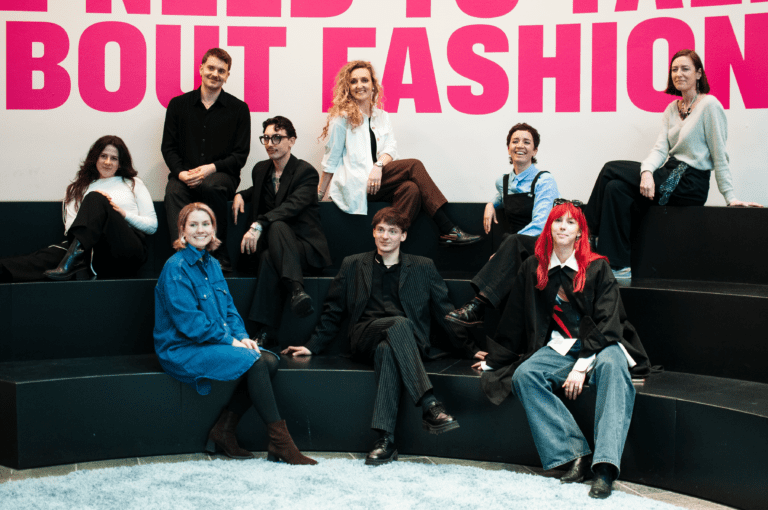
Explore a different perspective on circularity with the ‘Limburg Six’ — six fashion entrepreneurs and friends who bring creativity and innovation to sustainable fashion. Guided by the Hasselt Fashion Museum, each ambassador has developed a unique and inspiring installation showcasing their vision of circular fashion. 

Mode Meetup: Impact Talks

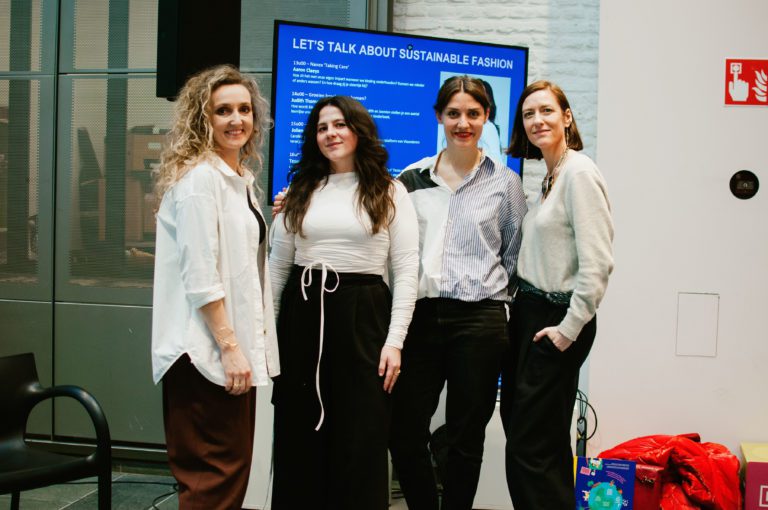
On Monday, March 18 2024, the ‘Mode Meetup: Impact Talks’ took place, a part of FTI Hasselt that was put together by MASJIEN. Companies from all corners of the ecosystem shared insights about a circular fashion industry and what you need to know as a fashion entrepreneur or retailer for the future. 

Discover the future of textile recycling, new business models and the cost of sustainability. We not only look at technological innovations, but also at the role of the customer. What hinders them? Who really cares about sustainability?

Panel discussion: Will we recycle our way out of trouble soon? with Frank Dingemans (Kringwinkel Antwerp), Julie Lietaer (European Spinning Group/Ariadne Innovation), Tom Duhoux (VITO) and Jasmien Wynants (MASJIEN) as moderator.

Panel discussion: How does the customer view sustainability and what is the role of fashion brands? with Peter Perquy (DurorGroup – Terre Bleue/Zilton/Gigue), Charlotte De Vooght (Filou & Friends), Sara Kovic (Okret) and Simon Gryspeert (Flanders DC) as moderator.

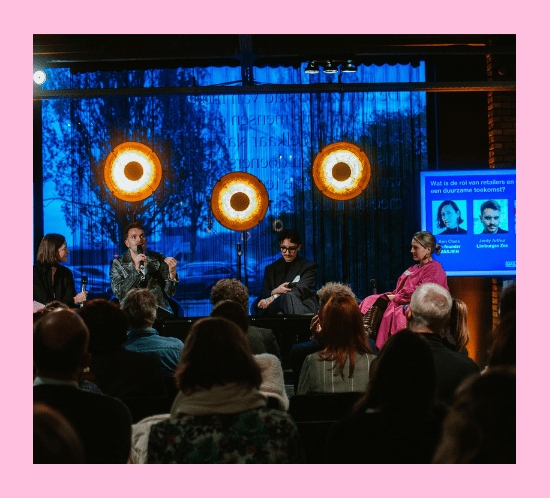
Panel discussion: What is the role of retailers and fashion designers towards a sustainable future? with Jordy Arthur, Marylène Madou and Matteo La Rosa from the Limburg Zes and Ann Claes (Masjien) as moderator.

This meetup was organised by MASJIEN as part of the Flanders Technology & Innovation Festival in Hasselt. MASJIEN did not only organize this B2B event, but was also curator for a full blown B2C track inspiring the broad audience on circularity in the fashion system. Check out more here.


In partnership with VITO, Stad Hasselt, Thomas More & Flanders DC

SOS Mode Het Belang Van Limburg

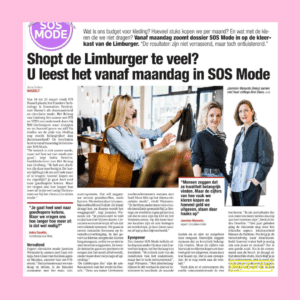
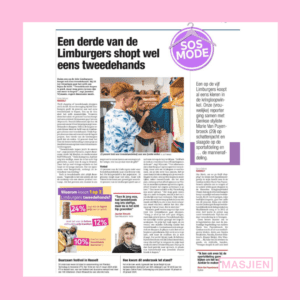
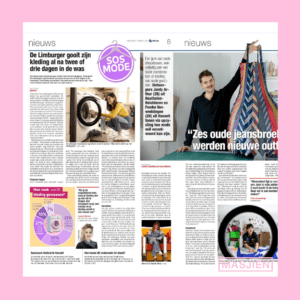
Het Belang van Limburg, together with FTI and Vito, had a survey conducted among 500 Limburgers: where do we shop and how much do we spend? And do we still consider the price of clothing more important than sustainability?

Price and quality.

The Limburgers were surveyed on their priorities when shopping, revealing key insights into their preferences.  

  1. 88% of respondents emphasized the significance of quality.
  2. Following closely behind, 84% identified price as a crucial factor in their purchasing decisions. Sustainability is less important to the 500 shoppers. Only half of Limburgers consider the working conditions under which garments are produced, indicating room for increased awareness and ethical consumption practices. Environmental impact ranked high for four in ten respondents, the manufacturing location held importance for three out of ten shoppers.

It is normal to think about price and quality when we shop. When it comes to sustainability, things can be better. Although I think we are already doing better than ten years ago. 

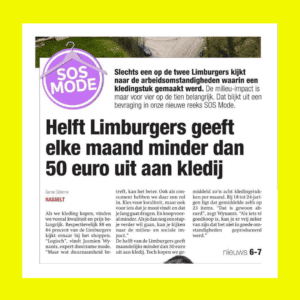
During an interview with Het Belang Van Limburg Jasmien shared she often hears ‘Jasmien, I want to buy more sustainable clothes, but it is just too expensive.’ This survey found that half of Limburgers spend less than 50 euros on clothing every month. Yet they buy a lot of clothes for that amount. More than 23 (!) pieces in total every month to be exact.

This is just absurd. And that while 88% find quality the most important factor? Masjien would like to know how you can buy 23 pieces of clothing with 50 euros and still find quality important.

Here’s something to think about: someone who buys 1 T-shirt at  Primark every six months because they can’t afford anything else is not the problem. But someone who leaves the shop with five bags every week or every month is. Because the latter does actually have the purchasing power to make different choices and that is precisely where the problem lies.

It’s the conspicuous consumption habits of those with greater purchasing power that contribute significantly to the issue. Ultimately, making sustainable choices doesn’t have to break the bank—as long as one exercises moderation and considers the true value of their purchases. 

After all, sustainability isn’t just about the price tag; it’s about making thoughtful decisions that prioritize both quality and responsibility. 

So no, making a sustainable choice does not need to cost you hundreds of euros…

as long als you don’t buy 23 pieces 😉

The most important thing in this story is that we invest in quality, see the value and not be so careless with it. On the one hand, people say that they find quality important. But the figures for how often we buy clothes and how much money we spend are somewhat at odds with this. That’s an eye opener. There is still a lot of work to be done.

This research was carried out in collaboration with Flanders Technology & Innovation (FTI). From March 16 to 21, 2024, FTI will be in Hasselt for a festival on sustainable prosperity with more than 100 initiatives. Check ftihasselt.be for all information.

Online shopping and the longevity of clothes. 

Most Limburgers expect clothing to last a maximum of three years. Our feeling is that three years is not that long. How long clothing must last to be sustainable depends on the garment itself, but due to the current fashion system, we are used to seasons and trends and wanting new clothes, which is actually absurd. In the past, clothes were made to measure, and they were handled with care. It was seen as something valuable. Our grandparents handle clothes very differently, even today. Because they did not grow up in the fast fashion system, where clothes are so cheap.

Limburgers often buy these clothes from large multinationals: 30 percent do this at least once a month and that is a lot. If you buy at such a fast pace, you are buying things that by definition you don’t need. Due to the low prices you don’t really think about if you actually need that piece. If you buy clothing from a large fast fashion chain, you support a business model that pushes overconsumption through low prices. That cannot be sustainable. If you buy from a small designer, you support them and their craft. Every cent you spend counts. 

But where do people buy these clothes? The younger, the more people shop online. 3 in 10 buy something online every month. More than half of 18-24 year olds shop online at least once a week. People often order many colors and sizes online, then try them on and return them. What many people don’t know is that a large part of what we return is no longer sold, but is destroyed. One in three is destroyed. That is a gigantic impact that we do not think about. That also makes online shopping less sustainable.

So: don’t turn your living room into a fitting room.

With the arrival of web shops such as Shein, fast fashion has evolved into even faster ultra-fast fashion. It’s sad to see that a t-shirt is sometimes cheaper than a sandwich and unfortunately that is also how a lot of people consume it. 

The Circular Fashion Track for FTI Hasselt on TV Limburg (Belgian news)

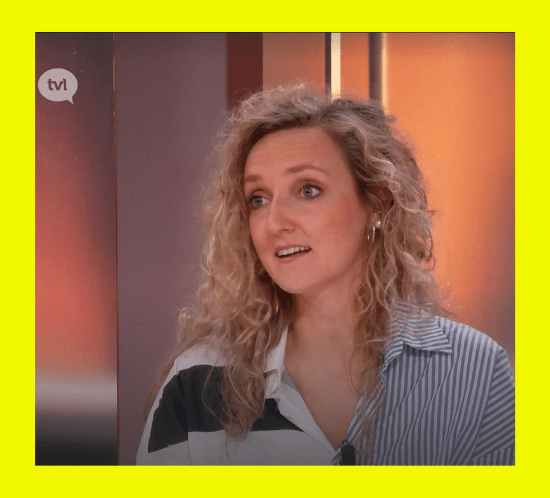
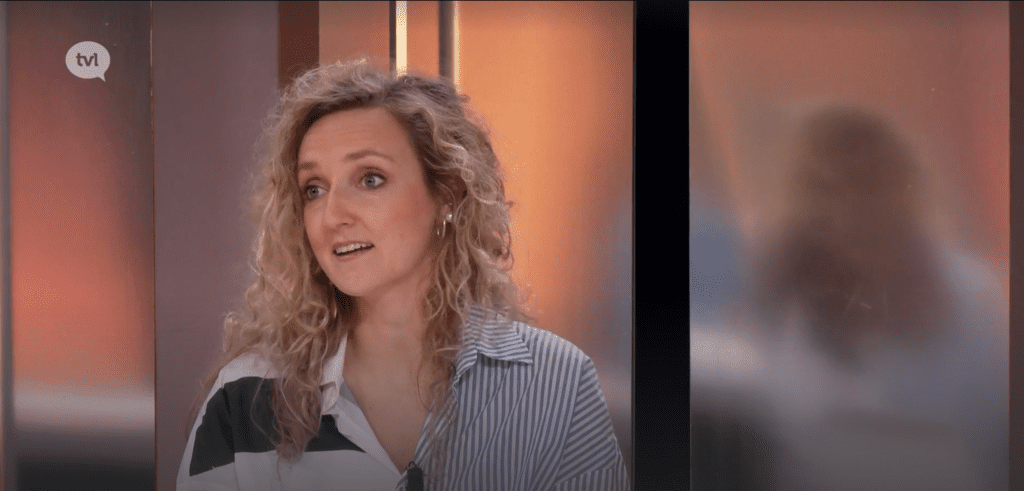
Jasmien was recently invited by TV Limburg together with Evelien Dils from VITO to talk about the circular fashion track for FTI Hasselt our ambassadors, the Limburg Six and about the importance of sustainability in general.

Being featured on a programme like this feels like a big win! Not because we can see MASJIEN on tv (which is a nice bonus, we’re not going to lie), but because most consumers are not too aware about the impact of the fashion industry yet.
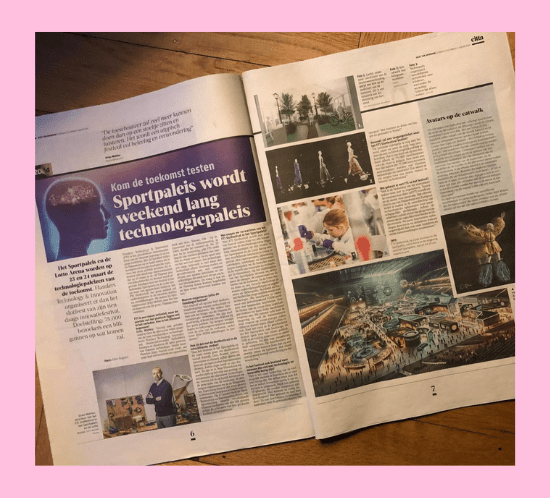
Curator for the circular fashion track for FTI Hasselt

We are so excited to be the curator of the circular fashion track for FTI Hasselt! It’s great to combine all the knowledge and knowhow of all these people, companies and brands and to translate it into something that is not only feasible for everyone, but to also get people excited about sustainability. We cheers to that, right?

TV Limburg also showcased COSH and visited La Bottega Hasselt, where visual installations by the Limburg Six will be revealed during FTI. Finally you get a view behind the scenes with Marylène Madou as one of the ambassadors of our track.

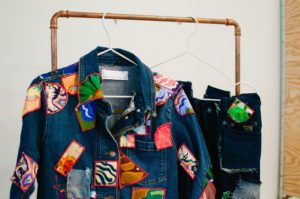
On the 16th, 17th and 20th of March you can discover the beauriful repair patches Marylène Madou created from leftover fabrics at Z33. Repairing and customizing clothing is one of the paths towards a more sustainable fashion landscape, so this is the perfect activity if you have some pieces that you’d like to repair.

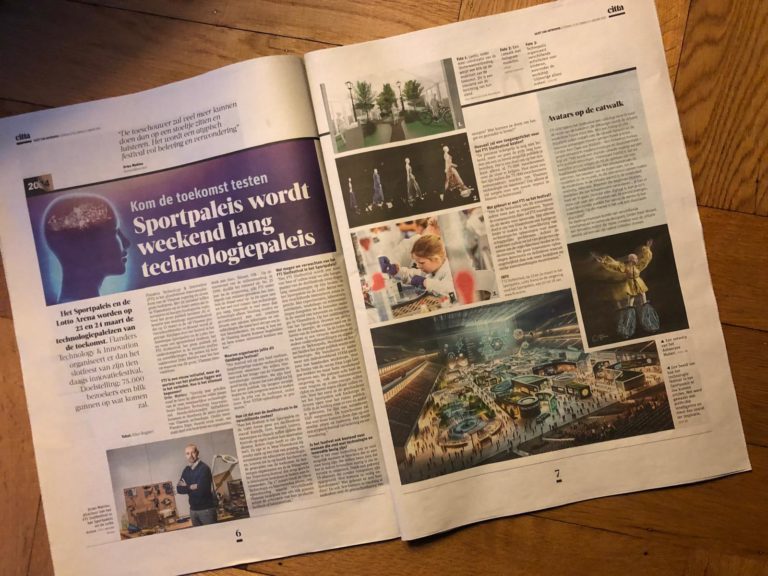
FTI In Antwerp Announcement in Gazet Van Antwerpen

We’re thrilled to announce that our upcoming event, Flanders Technology & Innovation  Antwerp, has been featured in Gazet Van Antwerpen! This coverage highlights FTI’s mission towards innovation and technology in the fashion sector.

The article provides details about how FTI started, why it’s such an important festival and some sneak peaks of the Final Festival. It’s a great recognition of the impact we aim to make with this event, and we’re grateful for the opportunity to reach a wider audience through this feature.

Click here to learn more about FTI Antwerp

Interview Knack Weekend: Changemakers

What an absolute honour to be featured as one of Knack Weekend’s ‘Changemakers’.

For this article, Jasmien had the pleasure to converse with Ruth Goossens, Editor-in-Chief of Weekend Knack & the driving force of REAntwerp, the amazing studio she started with Tim Van Steenbergen.

During the pandemic, there were calls to produce less, calls for a reset of the fashion industry. Little of that seems to be left now?
“How do you turn that ship around? We don’t think it can be done without strict legislation that streamlines everything. You already have to be a very profitable company to voluntarily decide to produce less today, while your competitors keep going. That’s signing up for bankruptcy in the current circumstances. It will be quite a transition for our economy and for consumers, but it can be done. 

We remember when, between your main course and dessert at the table you could smoke a cigarette. It’s hard to imagine that now. So a major social turnaround is possible but you need ballsy leaders to take the right measures. And preferably at global level, because we find the fact that a brand like Shein could grow so much in recent years hallucinatory. The generation that demands a different kind of world, is also the generation that spends its money there.”

What do you think of the discourse that sustainable fashion is too expensive?
“Quality costs more money, that’s just the way it is. And I’m not talking about ‘sustainability’, but simply not buying junk. Clothes have proportionally not become more expensive than before, but we do spend more money on them. For us, the answer to this question is therefore twofold: first, what is the cost per wear of a piece. The more often you
wear something, the cheaper it becomes per wear. And second, the people who can’t afford it, who only have pennies for one T-shirt from Zara or Primark every season, are not the problem. It’s the people who buy five shopping bags one week and show up the again the next week, who need to change. They are wealthy enough to make different choices, but they simply don’t.”

Where do you hope the industry will be in 10 years’ time?
“I hope that by then there’s no work left for me. (laughs) I would love it if we get rid of ultra fast fashion. I know it’s ambitious to expect that in ten years, but I hope to see at least to see a slowdown. Sometimes they tell me I’m naive, but I’ve learned to see that it’s not an insult. You need some naive optimism to keep believing things can be different. Great strides have already been made in a decade. And there will still come, because I see around me many warriors pulling the cart and fighting for a greener world. That gives me hope.”

Loading new posts...
No more posts