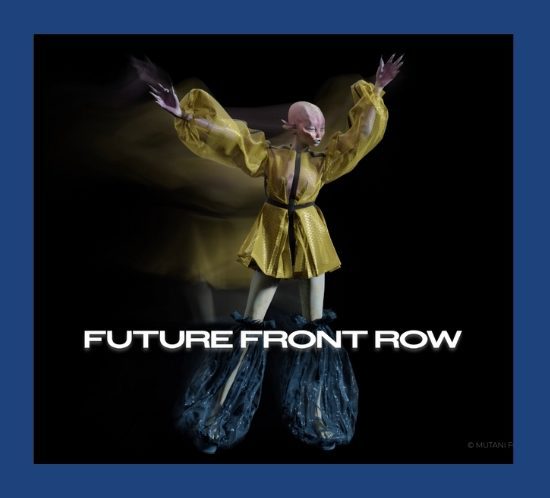
MUTANI bringing the most far out fashion to the cyberscene
The Australian Shayli Harrison moved to Antwerp in 2013 to study at the famous Fashion Academy. She graduated in 2018 and in the meantime she had started working with 3D printing, 3D scanning and virtual reality (VR). She participated in the exhibition Dissidence in the Hasselt House for Contemporary Art, Design & Architecture Z33. This dissidence is also of great importance to her start-up Mutani (pronounced like ‘mutiny’, rebellion) that was founded in February.
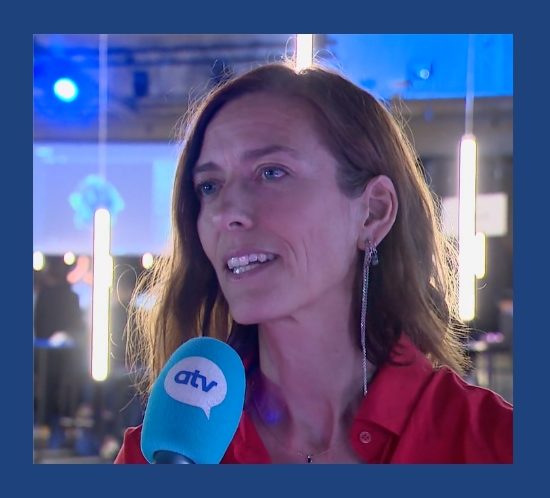
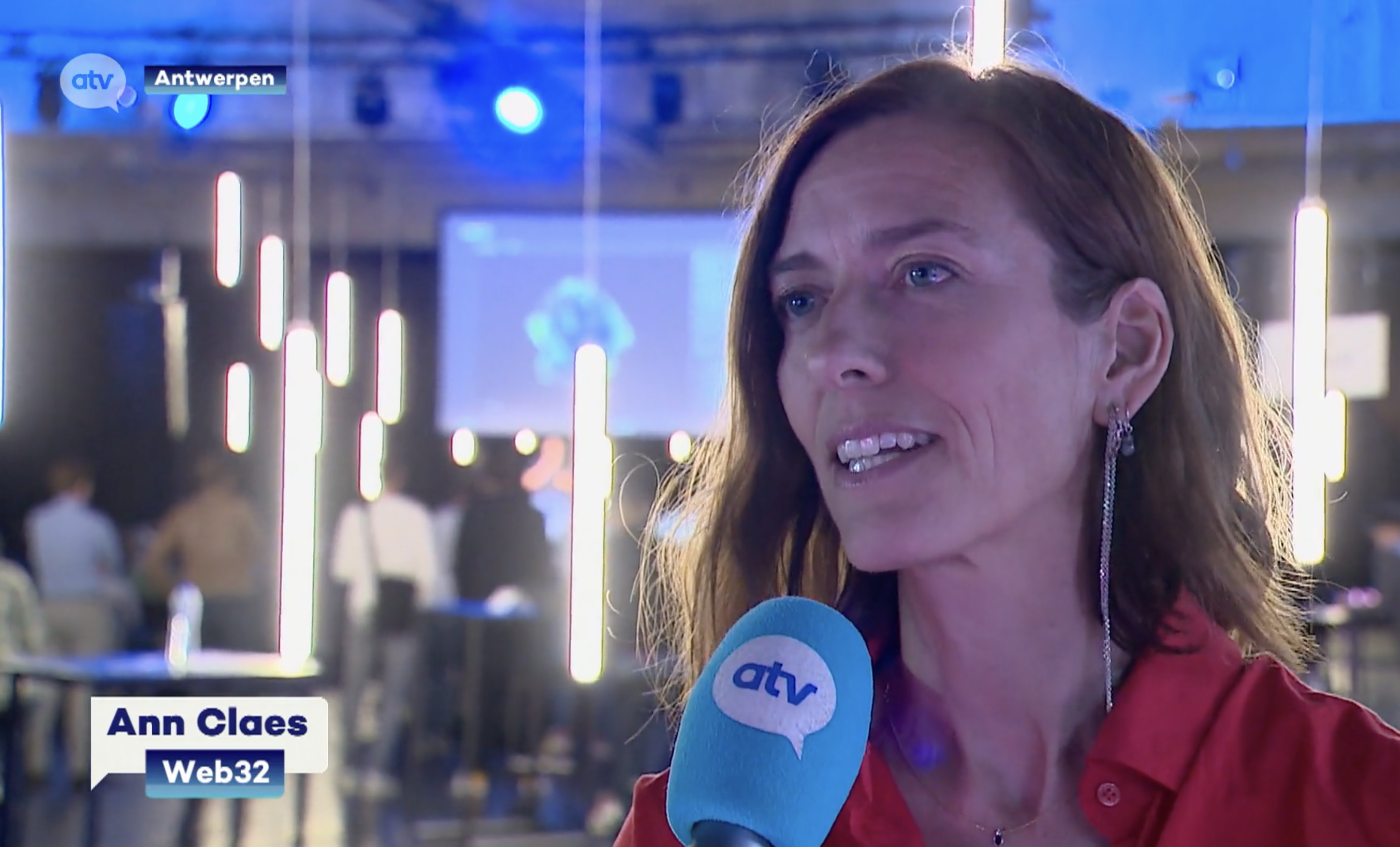
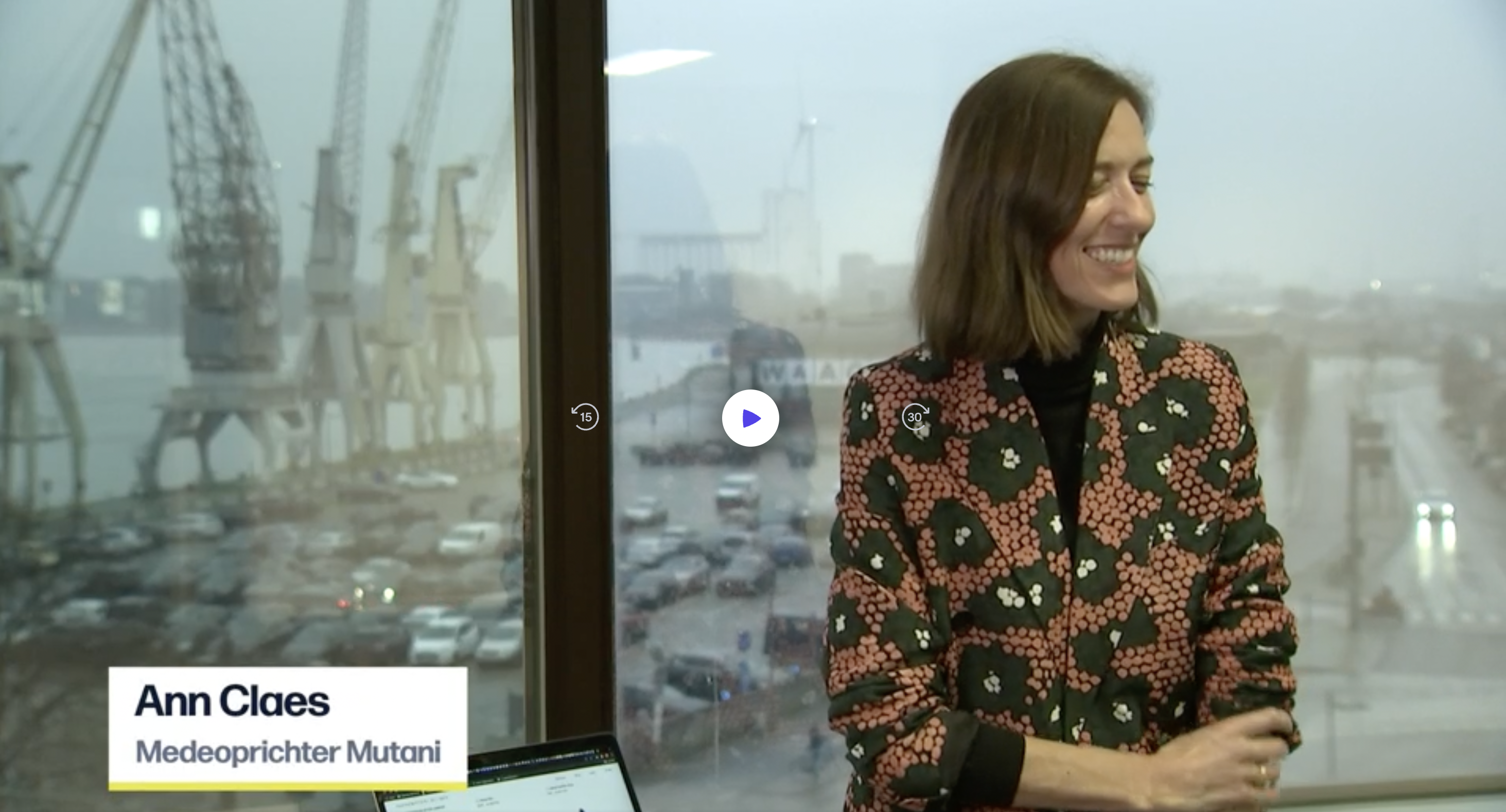
Co-founder is Ann Claes, who is senior project manager Fashion at the non-profit organization for the creative sector Flanders DC. ‘The fashion sector is known for rapid innovations in content, but there have been hardly any changes in the way of working over the past sixty or seventy years,’ Claes notes.
The essence
The Antwerp start-up MUTANI wants to offer fashion designers an alternative to earn money with their creativity, in addition to the established channels. MUTANI digitizes the designers’ work and puts it on the blockchain in the form of NFTs. This allows gamers and other users of the metaverse’s digital environments to actually own those digital objects.
A first NFT launch will take place on Friday, with work by an alumnus of the Antwerp Fashion Academy.
That has to change. On it’s site, MUTANI says it is waging a “rebellion against the oppressive and exploitative nature of the fashion industry.” In the metaverse, roughly the entirety of virtual environments, a fashion designer can be unfettered in his creativity. Blockchain technology enables new business models. Young designers are given an alternative to a poorly paid seven-day-a-week job at a major fashion house.
Mutani works with non-fungible tokens (NFTs), registrations on a blockchain that refer to digital or physical objects that can be traded. “Now you can really take ownership of 3D digital objects and use them in different digital spaces,” explains Harrison. She refers to large gaming companies such as Epic Games and Electronic Arts, which are open to blockchain integration. ‘The player gets more autonomy.’
Harrison notes that gamers “work” quite hard to acquire certain objects in the game environment. Now they can finally own it too. ‘Ultimately it’s about self-expression, which is also the case with clothes in the physical world,’ adds Claes.
And fashion designers can attract new audiences with their creativity. Mutani helps them by digitizing their work and making it ready for the digital marketplaces.