September 12, 2023
Columns Ann on Technology for Belgian newspaper de Tijd

Ann shares her personal view on what is happening around her, shifts in innovation she sees happening or novelties to discover with a monthly column for the Technology section of Belgian newspaper de Tijd.
Some of them you can find here in English on the website, others exclusively in Dutch on their platform and printed version.
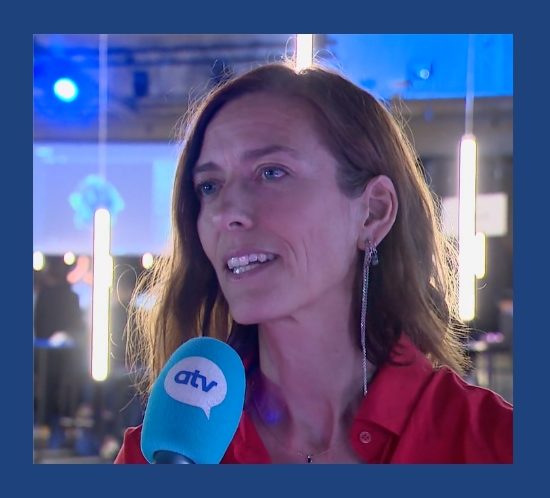
ATV, Thursday, June 9, 2022
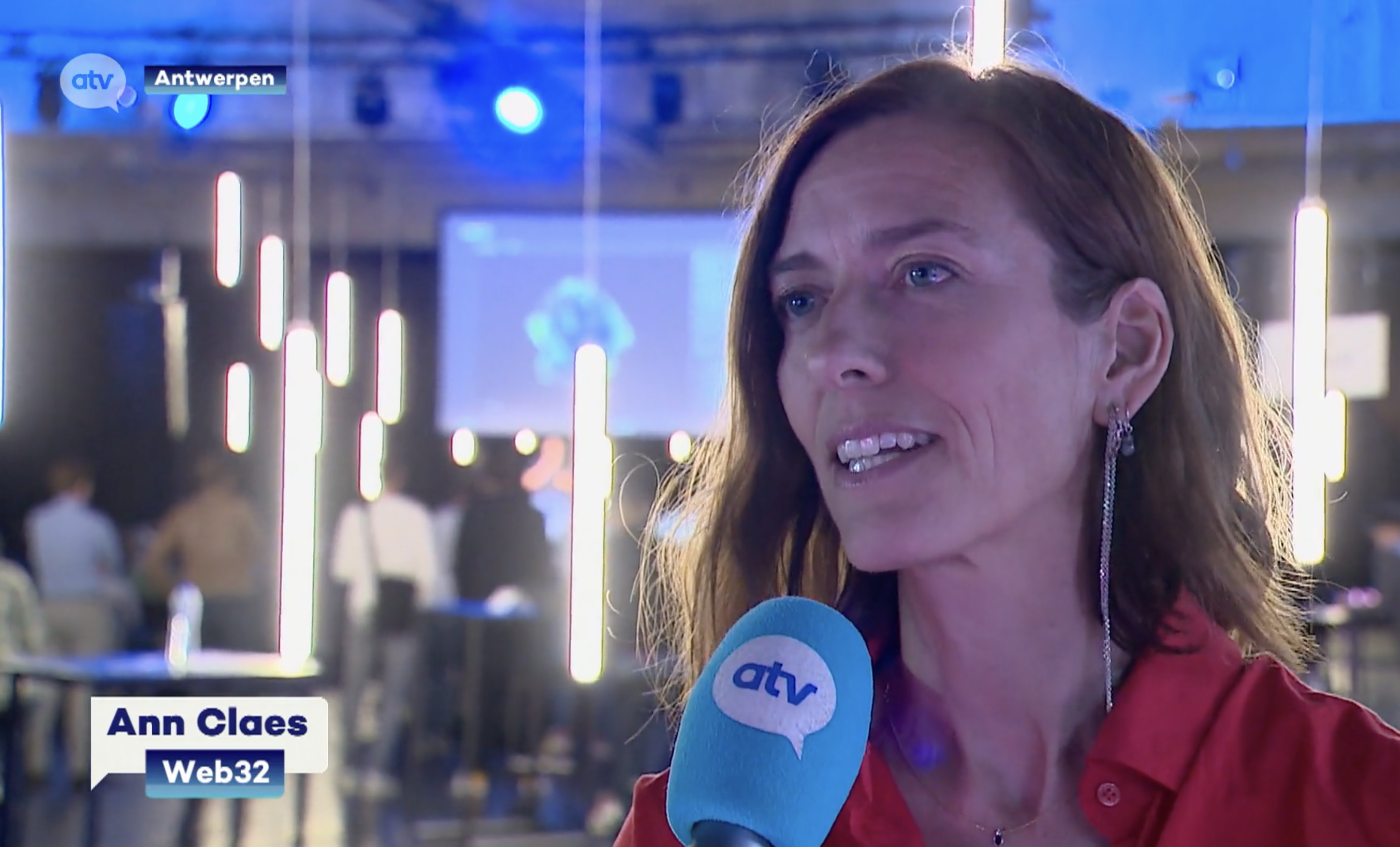
In addition to networking, you could listen to experts who are actively working on modern technology and digitalization. But the event was also for people who had never heard of things like the metaverse or virtual reality. You could get to know it all at interactive stands that appealed to the imagination.
May 12, 2023, De Tijd
For many, fashion stands as a cornerstone of their identity. Ever-evolving trends serve as mirrors reflecting societal changes, nurturing the dreams of many. Within its realm thrives a community brimming with passionate individuals, wielding creativity and beauty as their tools.
Regrettably, a darker underbelly exists – rampant overconsumption, hazardous materials, and exploitative production practices. This somber reality has propelled the industry toward a sustainability crusade spanning several years. Urgent recalibration is imperative, as underscored by the words of British fashion luminary, Vivienne Westwood: “Buy less, choose well, make it last.”
Despite its seasonal innovation, the fashion domain clings to conservatism. In tandem with calls for transparency and behavioral shifts, technology emerges as a potent ally in accelerating sustainability.
Data analysis empowers smarter procurement and production decisions. Innovative tools like Shavatar, ContourLab, and Zalando’s virtual fitting room aid online shoppers in accurately assessing sizes and body types. This not only slashes return rates but also augments customer satisfaction.
Renowned sustainable fashion expert Jasmien Wynants laments in the book ‘Groeien Broeken aan Bomen?’ that every passing second globally witnesses a voluminous dump of textiles, incinerated or discarded onto wastelands. These precious resources merit reincarnation.

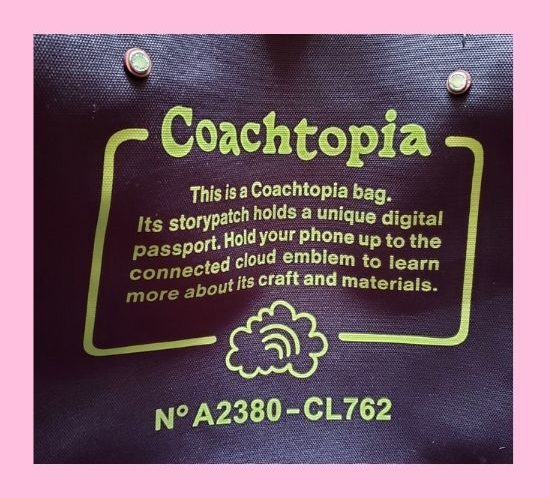
Coachtopia, an offshoot of fashion powerhouse Coach, morphs this cycle into an engaging escapade. With a TikTok frenzy and an enthusiastic Gen Z community, discarded materials and excesses are transformed into novel products, primed for recycling.
Each item bears an NFC chip that, upon a phone’s touch, unveils a digital dossier – divulging insights into materials, design, and ecological footprint. This passport also charts the product’s journey, whether it undergoes repair, reuse, or reinvention.
The startup EON champions these digital product passports, leveraging blockchain for transparent verification and monitoring. Teaming up with esteemed French luxury brand Chloé, EON streamlines the process of sharing product information on second-hand platforms. This democratizes the process of buying and selling high-end items.
Buoyed by the new EU textile strategy, the eventual incorporation of digital product passports into legislation looms. This development holds immense promise. Let’s infuse these passports with ingenious concepts, aspirations, and narratives. Alternatively, envision embracing virtual fashion, an innovation with minimal ecological repercussions. This avenue might wield the most resounding influence. While I wholeheartedly embrace every stride toward a cleaner fashion industry through innovation, technology undoubtedly remains its linchpin, propelling it toward a pristine future.
De Tijd, Roland Legrand December 2, 2021
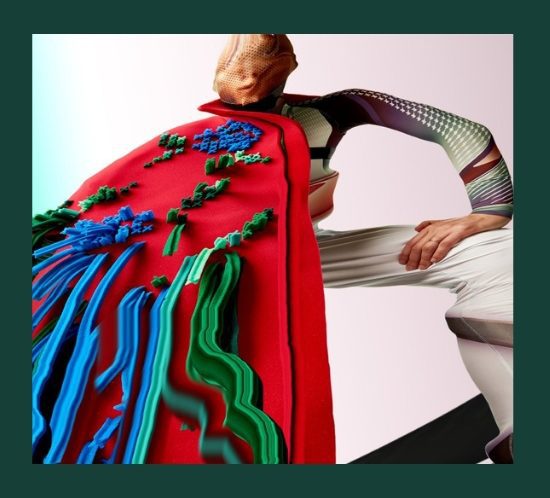
The Antwerp start-up MUTANI helps creative fashion makers conquer digital worlds. A first collection will be launched on a digital marketplace on Friday
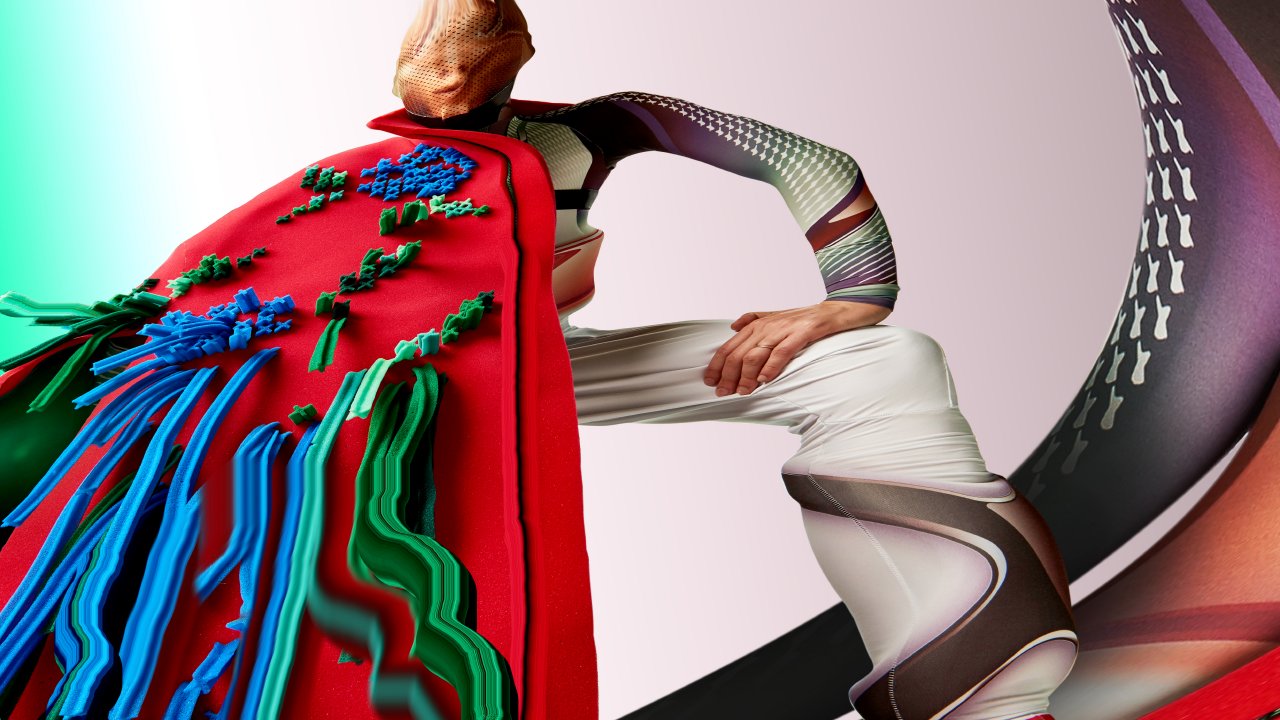
MUTANI bringing the most far out fashion to the cyberscene
The Australian Shayli Harrison moved to Antwerp in 2013 to study at the famous Fashion Academy. She graduated in 2018 and in the meantime she had started working with 3D printing, 3D scanning and virtual reality (VR). She participated in the exhibition Dissidence in the Hasselt House for Contemporary Art, Design & Architecture Z33. This dissidence is also of great importance to her start-up Mutani (pronounced like ‘mutiny’, rebellion) that was founded in February.
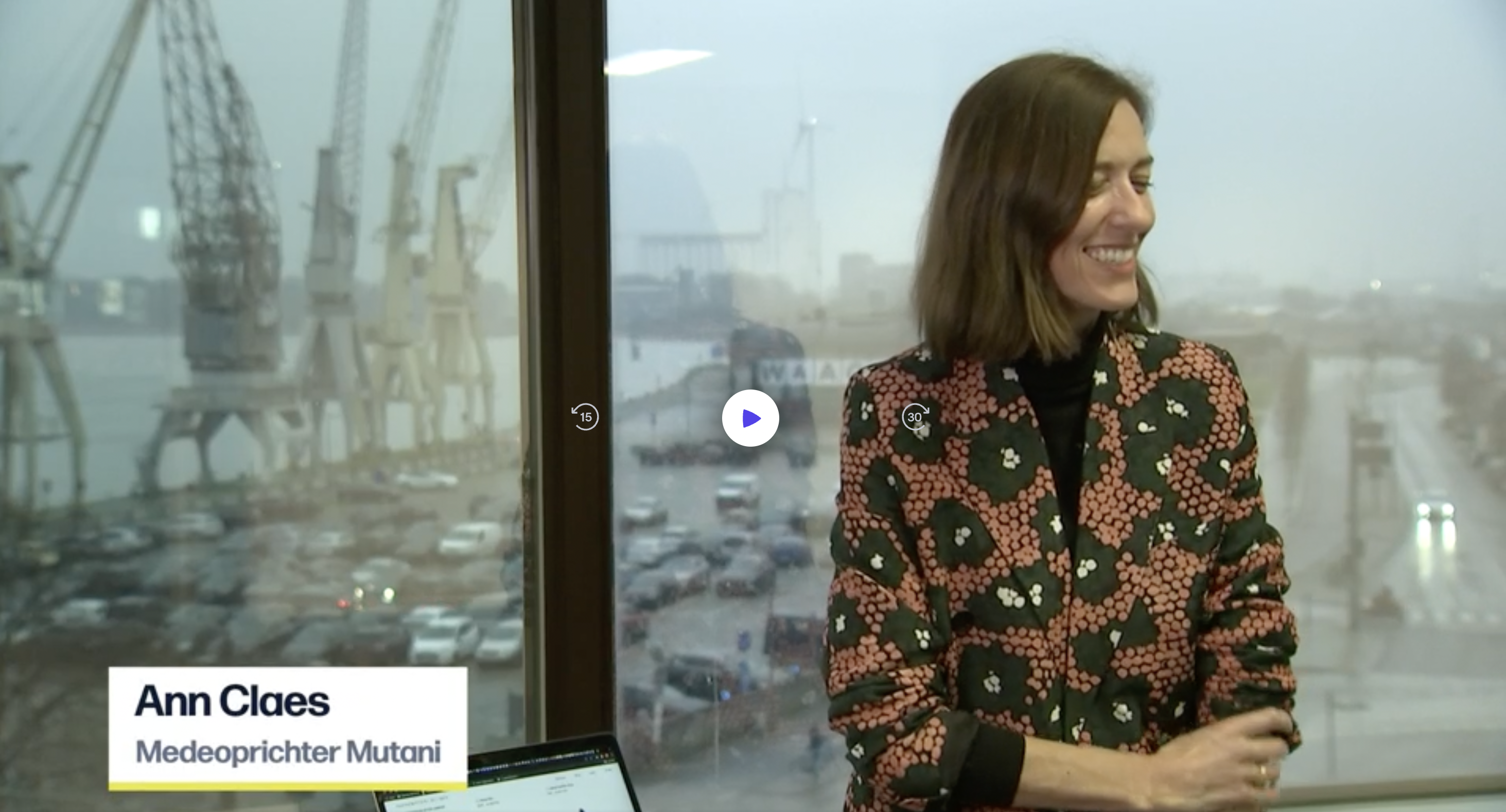
Co-founder is Ann Claes, who is senior project manager Fashion at the non-profit organization for the creative sector Flanders DC. ‘The fashion sector is known for rapid innovations in content, but there have been hardly any changes in the way of working over the past sixty or seventy years,’ Claes notes.
The essence
The Antwerp start-up MUTANI wants to offer fashion designers an alternative to earn money with their creativity, in addition to the established channels. MUTANI digitizes the designers’ work and puts it on the blockchain in the form of NFTs. This allows gamers and other users of the metaverse’s digital environments to actually own those digital objects.
A first NFT launch will take place on Friday, with work by an alumnus of the Antwerp Fashion Academy.
That has to change. On it’s site, MUTANI says it is waging a “rebellion against the oppressive and exploitative nature of the fashion industry.” In the metaverse, roughly the entirety of virtual environments, a fashion designer can be unfettered in his creativity. Blockchain technology enables new business models. Young designers are given an alternative to a poorly paid seven-day-a-week job at a major fashion house.
Mutani works with non-fungible tokens (NFTs), registrations on a blockchain that refer to digital or physical objects that can be traded. “Now you can really take ownership of 3D digital objects and use them in different digital spaces,” explains Harrison. She refers to large gaming companies such as Epic Games and Electronic Arts, which are open to blockchain integration. ‘The player gets more autonomy.’
Harrison notes that gamers “work” quite hard to acquire certain objects in the game environment. Now they can finally own it too. ‘Ultimately it’s about self-expression, which is also the case with clothes in the physical world,’ adds Claes.
And fashion designers can attract new audiences with their creativity. Mutani helps them by digitizing their work and making it ready for the digital marketplaces.
Digital activewear
On Friday at 7 p.m., Mutani will unpack with a first NFT launch, also called ‘drop’. These are fashion pieces by Stefan Kartchev, who graduated from the Fashion Academy in 2018. He has worked for the fashion designer Walter van Beirendonck, for the vegan footwear manufacturer Rombaut and for Bioracer, which designs and makes cycling clothing. Kartchev searches for new ways to interpret activewear and explore the limits of the human body.
For sale on digital fashion platform The Dematerialised
Sales are made via the online sales platform The Dematerialised. That platform promises to guarantee transparency and authenticity through LUKSO blockchain technology.
The prices are 150 euros and 250 euros. There is also an exclusive NFT phygital (portmanteau of physical and digital) that the buyer can wear offline. The price for the phygital is 2,000 euros. In addition to payments in crypto coins, The Dematerialized also allows regular money.
‘We bring a wave of creativity that has no equal in digital fashion,’ emphasizes Claes. Although major brands launch digital versions of their products in the virtual worlds of Roblox and Fortnite, Harrison says that these are digital copies of the physical products. They don’t necessarily fit into those virtual worlds. It is her intention that fashion designers can respond with unfettered creativity to the possibilities of the metaverse and the numerous subcultures that reside there.
With the support of the City of Antwerp, Mutani is working on a new project involving six designers. Everything is made with the Unreal Engine, software that allows you to create high-quality digital objects.
Even though Mutani is very critical of the fashion sector, brands have shown interest in their services. Harrison does not reject that. “It can help us do more for independent fashion designers,” she says.


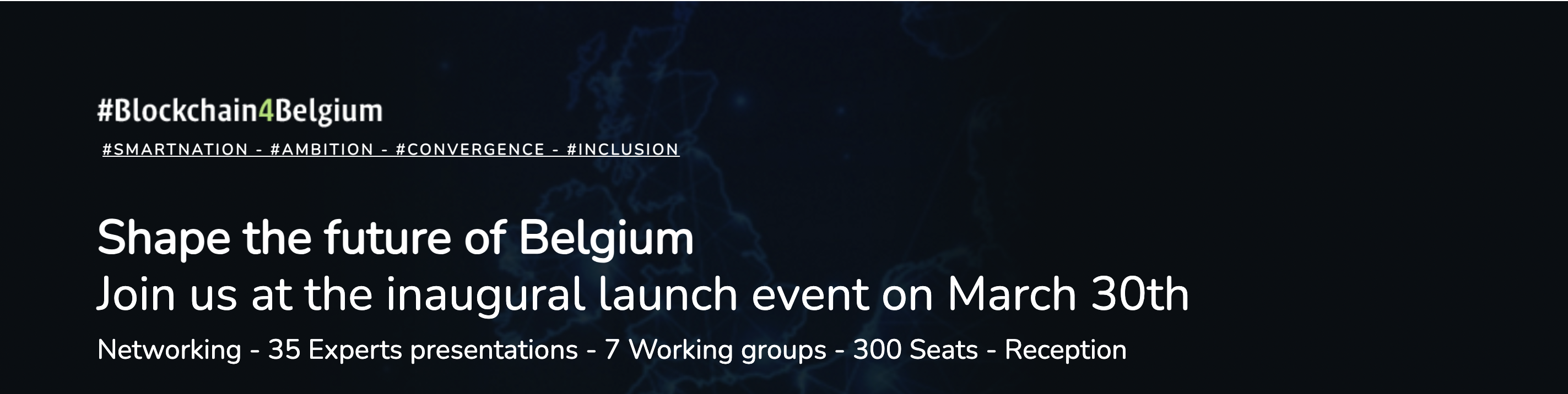
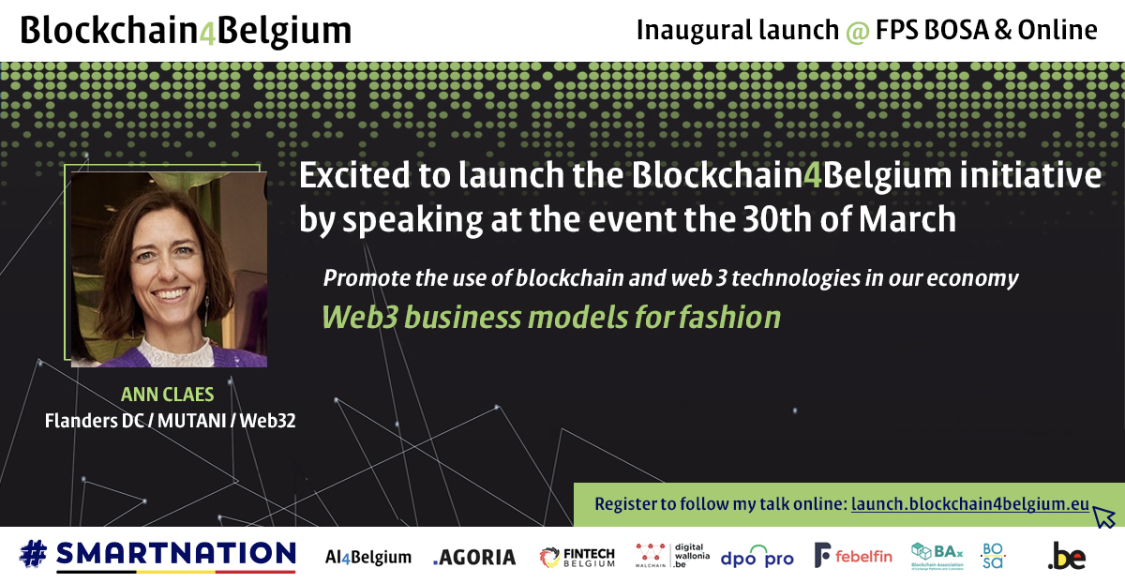
Blockchain4Belgium: By the Belgian community for the Belgian community
Blockchain4Belgium is first and foremost the gathering of the Belgian ecosystem composed of more than 1000 belgian experts, industry players, academics, civil society, and public administrations.
We are delighted to invite your for the inaugural launch event of Blockchain4Belgium planned the 30th March at FPS BOSA in Brussels during the European AI Week.
Where you and the ecosystem will be contributing & building the future of Belgium by participating in one of our 7 working groups that will formulate recommendations to the Belgian’s governement.
This event will offer you an excellent opportunity to connect with other members of the community, gain knowledge and insight from experts presentations.
Attendance is virtual, as the event has been soldout in 4 days.



1. Web3
What exactly is web3? To understand this properly, let’s go back to the beginnings of the world wide web. Initially, the internet was intended to provide information in an easy and global way. Web pages made content available to anyone whose computer had an Internet connection. That was web1.
Over time, this static content became increasingly dynamic and interactive. Responding became possible, even sharing content was possible, photos and videos took their place on the internet and social media also saw the light of day. That is web2, the internet as we know and use it today and where major players (Google, Amazon, Meta,…) are in control and especially our data. These large companies use our data (content, reactions, play time, insights,…) to earn money, so that the user immediately becomes the product of these services.
Web3 takes a different approach and wants to return the power of data to its owner in order to create a more democratic internet. You therefore remain the owner of your information, your ‘work’,… and can decide for yourself what happens to it. And that is just now possible by means of a new technology. Instead of storing this data centrally at the major players, it ends up in a network of different computers and servers. This system is called a blockchain.

Simply put: each blockchain consists of several computers and servers that contain part of the data (or copies of it) as links. Together, these links form a chain of data called a blockchain. Because these different computers and servers always compare the stored data with each other, it immediately becomes impossible to modify or falsify and the dependence on one external party for data storage is therefore also superfluous. The data is encrypted, making the blockchain decentralized, traceable and secure.
There are different blockchains, each with their own uniqueness, such as Bitcoin, Ethereum, Solana, Lukso, Algorand, Tezos, Cardano, …
Be sure to check out this video in which expert Jef Cavens explains blockchain with references to the fashion world.
We often hear the word NFT in the news these days, but what exactly is an NFT? NFT stands for ‘non-fungible token’ (translated: non-fungible or unique token) and works on the basis of the technology that creates a digital ownership certificate with which you can prove that you are the owner of the digital content. An NFT is therefore not the item in itself. The information about this certificate, with a timestamp, is stored on a blockchain, making it unique and traceable. Storing this information on a blockchain is what we call “minting”.
Discover together with Ryan Gill from Crucible & Ann Claes in this Flanders DC webinar what exactly NFTs can mean for creative entrepreneurs.
When you place an NFT on a blockchain, you also create a smart contract. This smart contract describes what the NFT entails, which rights have been sold exactly (copyrights, commercial rights,…), but also whether or not royalties flow back to the original author in case of resale. That makes it interesting to be able to follow every transaction in the future and, if it continues to increase in value over time, to even earn money from it.
Cryptocurrency is a form of digital money that does not require the intervention of banks or other financial institutions to register transactions. All transactions are tracked on a blockchain. Bitcoin is by far the best known digital currency, but there are hundreds of other digital coins including Ether, Tezos, Polkadot, Dogecoin and Ripple.

We spend more and more time online. The digital world will become increasingly important in the future, especially among the younger generations. Just like in the real world, the will for an own identity is very strong. In daily life, the choices about our clothing, haircut, possessions, who our idols are, which parties we attend, … make us who we are and how we present ourselves to others. This need also exists in the digital world. Consider, for example, the use of filters, the number of likes, the type of contacts, …
Creating a digital personality (or even several) will go hand in hand with the items you own. Here, too, uniqueness and scarcity are important, which is where NFT technology comes in handy. For example, you will be able to unpack or even trade a limited edition digital sneaker, just like in the real world today.
Do you want to know more? Then listen to this podcast episode of Vers van de Metapers (also available via Spotify).

NFT Evening, July 5, 2022
What is Web32?
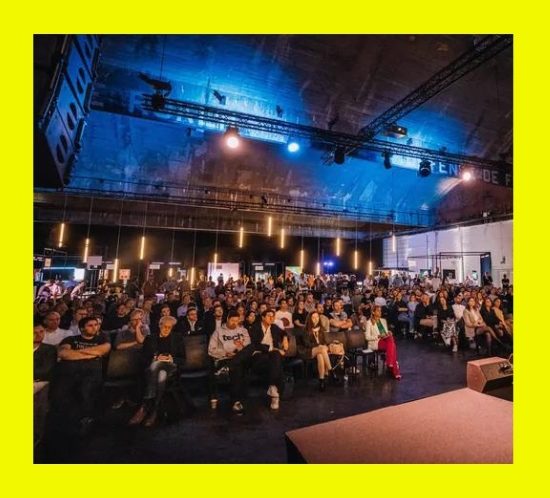
Overall, the goal of Web32 was to help web3 professionals discover the potential of the blockchain. As such, the event included a tech expo, as well as a number of great talks and pitches from web3 projects. And of course, it was a major networking opportunity for the web3 community in Belgium and beyond.
The biggest artists at Web32
Jeroom Snelders x Venly x Catawiki
One of the biggest names at Web32 is none other than the legendary Flemish comic artist, Jeroom Snelders. The conference highlighted an ongoing auction for 40 pieces of Snelders’ artwork, including some of his best work for the Belgian weekly Humo and Reddit. To clarify, the auction ran from May 31 to June 12. In addition to a physical print, buyers will also receive an NFT of the cartoon in a Venly wallet.
Snelders launched the auction with the help of Belgium-based blockchain tech provider and Web32 sponsor, Venly, and online auction marketplace, Catawiki.
Musketon & Dirty Belgium
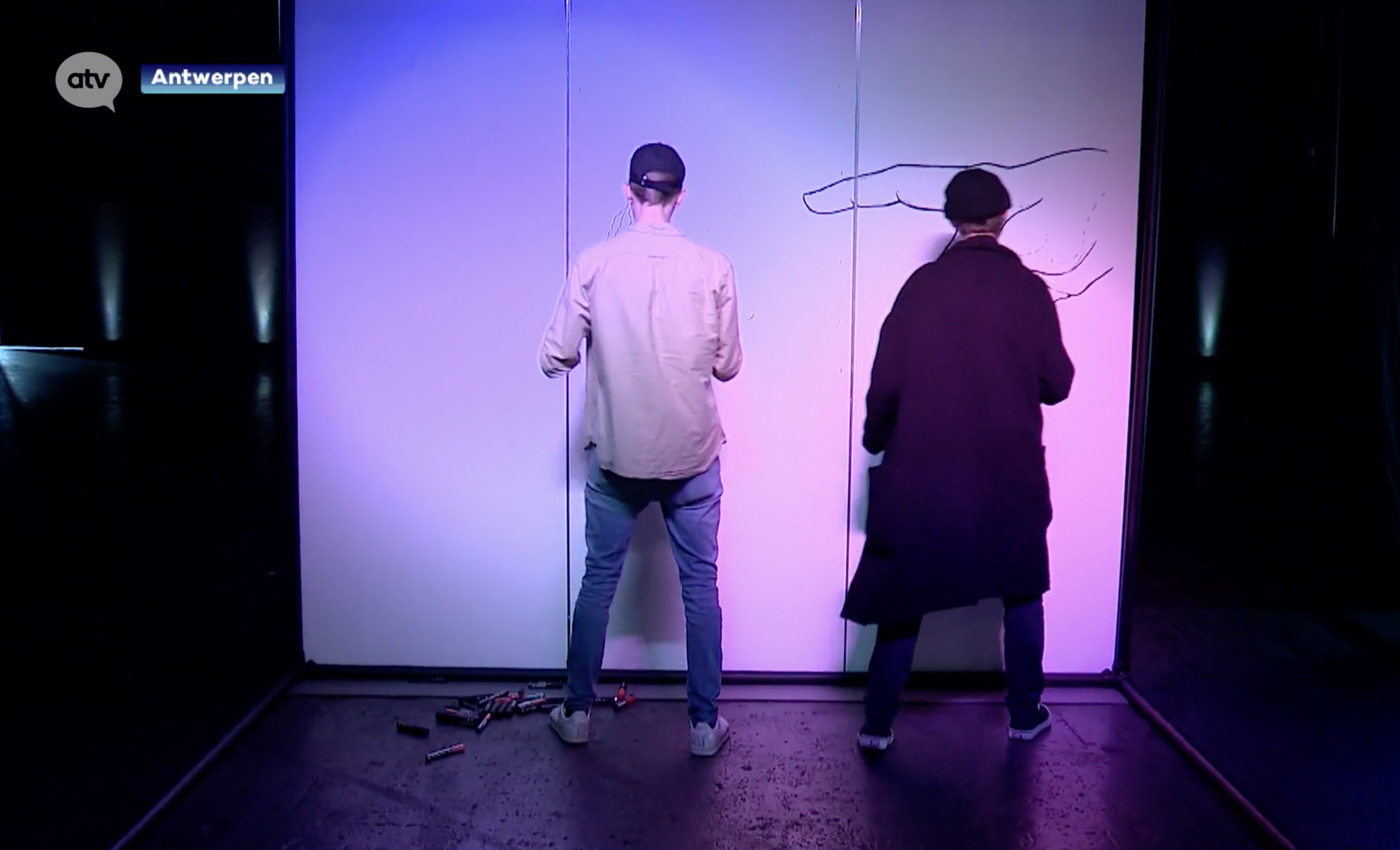
Web32 also saw a special collaboration between the artists Musketon and Dirty Belgium. There the two artists co-created a handmade piece of art live at the event! Furthermore, the artwork was digitized and minted as an NFT after the conference. Amazingly, each visitor got the NFT in their wallet.
Web32 also featured major speakers and more
Shayli Harrison of Mutani
For those who don’t know, Mutani is a digital fashion unitive based in Belgium. Shayli Harrison from Mutani joined Evelyn Mora of Digital Village on stage for a talk about “Web3 Fashion, creativity, and sustainability”.
NFT Vending Machine
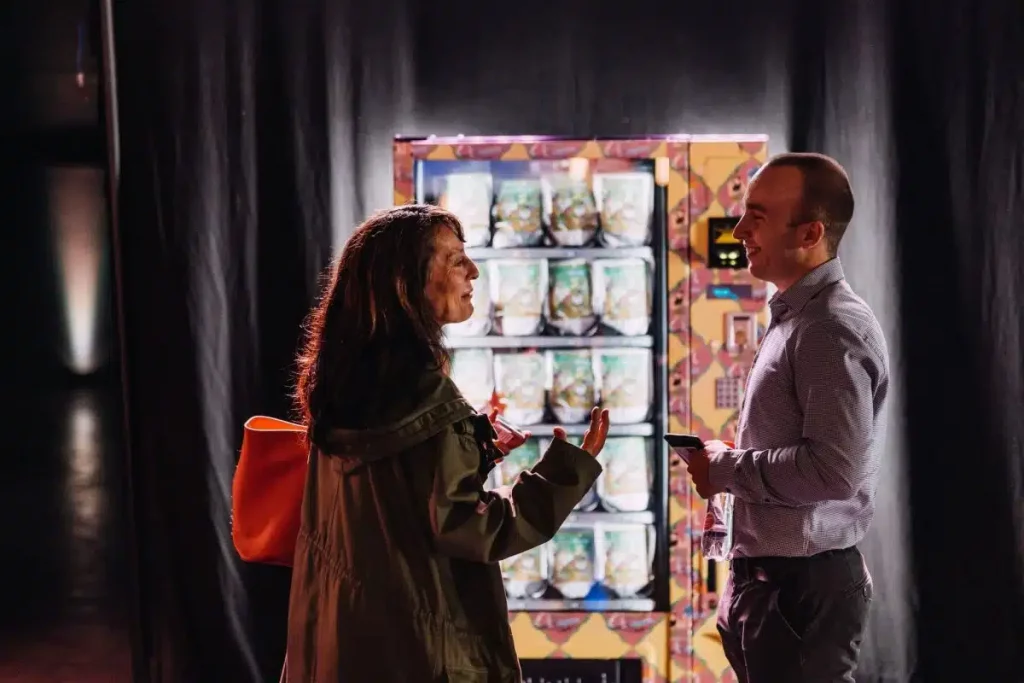
What is a good web3 conference these days without an NFT vending machine? Web32 delivered on that with some exciting NFTs that attendees could “physically” collect. These awesome collectibles featured the work of Belgian artist Brecht Vandenbroucke.
Overall, it’s fair to say that Web32 was a major success! It’s great to see IRL events expanding across the globe, bringing the web3 community together and laying the groundwork for the future of the space.
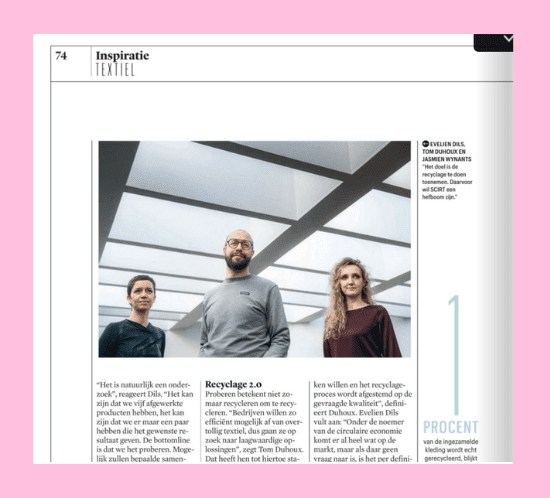
Interview with Jasmien Wynants, Tom Duhoux (VITO) and Evelien Dils (VITO) in Belgian magazine Trends, written by Sarah Vandoorne.
Five Belgian and French clothing brands are joining forces with research institutes to put high-quality textile recycling into practice. From recycled discards they want to create and sell new designs. “Only if we work together is a circular economy achievable,”.
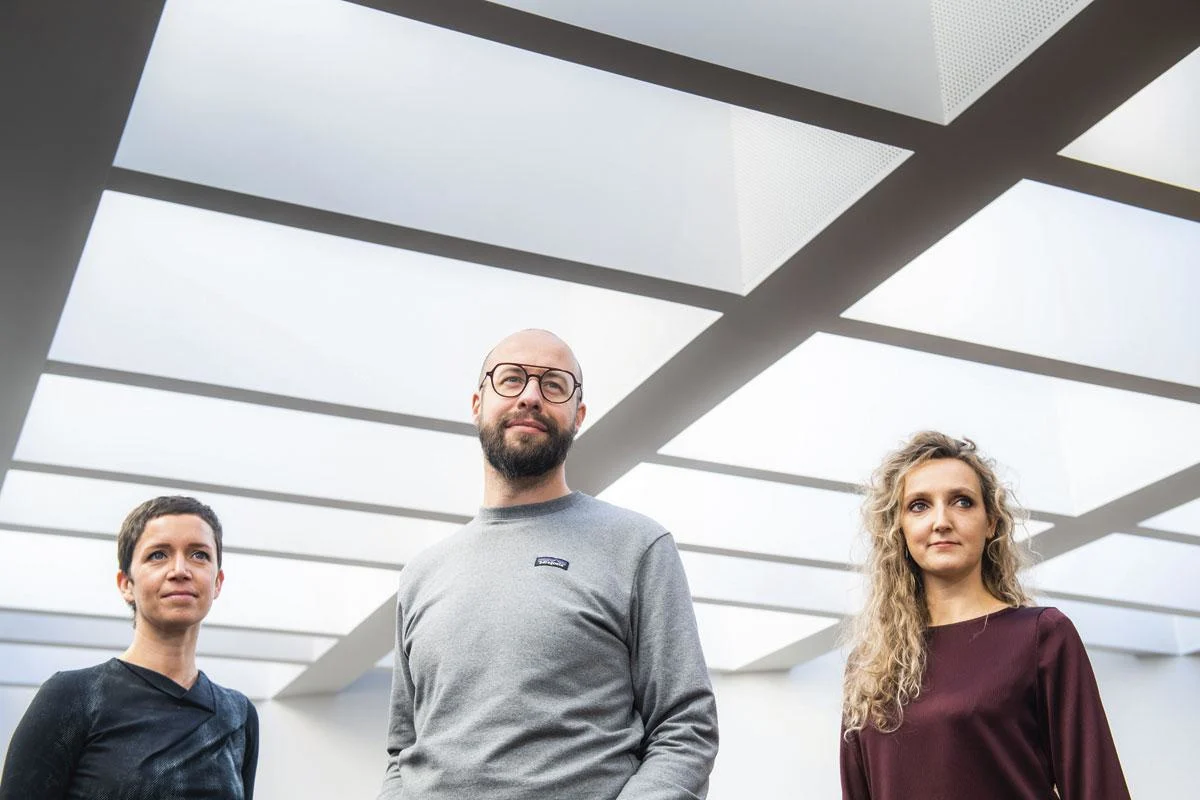
It is a towering ambition: to recycle fibers that were until now considered unrecyclable. Yet it is the only ambition that matters, according to Evelien Dils and Tom Duhoux of the research center VITO and Jasmien Wynants, sustainability expert at Flanders DC. “By opting for less uniform clothing, we can bring about change,” says Jasmien Wynants. “Yes, we could have started a project to break down corporate clothing from one type of material, but then we would have been too unambitious.” We don’t participate in low-hanging fruit, says Evelien Dils either. “The European Commission wants to invest money to see what is possible, to push for change, see how far we can get.”
With European support, just before summer VITO, Flanders DC and other research institutions, non-profit organizations and SMEs from five countries joined forces with five Belgian and French clothing brands: Decathlon, Petit Bateau, Bel&Bo, HNST and Xandres. Their journey was christened SCIRT, which stands for System Circularity & Innovating Recycling of Textiles. Freely translated: textile-to-textile recycling.
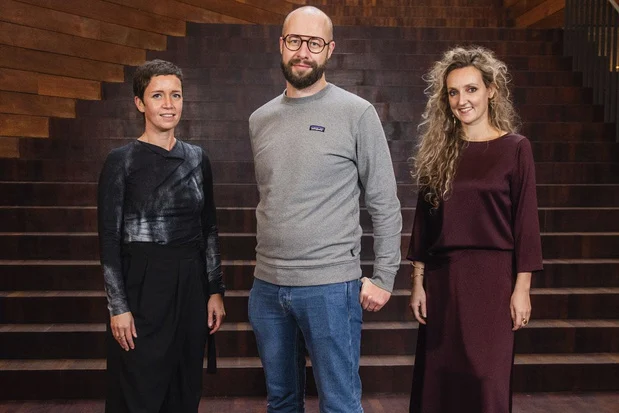
When progress is made in recycling, it often involves monomaterials. These are fabrics that consist of one type of fiber, such as 100 percent cotton, a natural fiber, or 100 percent polyester ¬ a synthetic fabric. A mixture of the two – the popular polycotton – is a lot harder to recycle. Never mind taking a mixed fabric of wool, polyester and elastane in hand, as Xandres does with a pair of pants in the study.
“Xandres uses that fabric mix frequently, which means that in the long run it would not stick to just one type of product,” admits Wynants, who in addition to her part-time job at Flanders DC assists the fashion house from Destelbergen as a freelancer. “I do wonder if the research institutes expect that all five brands will succeed in their objective, because that remains to be seen,” adds the sustainability expert.
“It is, of course, a study,” Dils responds. “It may be that we have five finished products, it may be that we only have a few that give the desired result. The bottom line is that we are trying. Possibly certain compositions will not get 100 percent recycled, but even then we can measure what percentage is maximally achievable.”
Trying doesn’t just mean recycling for recycling’s sake. “Companies want to get rid of excess textiles as efficiently as possible, so they look for low-value solutions,” says Tom Duhoux. That has provided them with stability so far. They were able to process their waste streams at a reasonably constant speed into products of reasonably homogeneous quality at a reasonably fixed price.
“Recycling for recycling’s sake has never been the solution,” says Duhoux. He calls that mindset “recycling 1.0,” an outdated process. Low-value solutions are not exactly synonymous with circular. “Hence the need for recycling 2.0, where we look at what the brands want and the recycling process is tailored to the requested quality,” defines Duhoux. Evelien Dils adds: “A lot of things are already coming onto the market under the banner of the circular economy, but if there is no demand for them, it is by definition not circular.”
Investing in recycling takes time and money. “Only by working together is a circular economy feasible,” is Jasmien Wynants convinced. These are collaborations that did not just spontaneously arise, says Tom Duhoux of VITO. “Everyone seems to be waiting for each other. Is the demand big enough? Are the brands on board with this? I understand that an SME in, say, West Flanders, thinks: how can we contribute to this? But by bringing in all the know-how and supporting machine builders, we find solutions together.”
The bulk of the investments are for the machine builders, such as Valvan Baling Systems in Menen. That previously developed Fibersort, a machine that can check what composition a pair of pants or T-shirt has. Sorting clothing by fiber is an important stage before recycling takes place, SCIRT’s pilot project shows. An earlier 2020 report by Circle Economy, which conducted research based on data from the Fibersort technology, confirms this. “Machine builders like Valvan get direct contact with potential customers through our project. That’s interesting for them,” Duhoux points out. “The goal is to increase recycling. For that, SCIRT wants to be a lever.”
‘We are still at the stage where people are filling bags full of bargains every month or even every week every time they pass a Primark’ Jasmien Wynants, Flanders DC
Sorting is followed by recycling. In its report, the Dutch Circle Economy talks about mechanical and chemical recycling. The Belgian textile institute Centexbel also lists thermomechanical and thermochemical recycling. Together with the German Ecologic Institute, the research institutes from Belgium – Centexbel and VITO, two research partners of the European study DG Grow – looked into the advantages and disadvantages of each technique. Classic mechanical recycling weakens the quality, innovative chemical recycling weakens the quantity. Especially the latter technique requires a lot of money and energy. Thermomechanical recycling requires less input, both financially and ecologically, but you can only achieve it with dark fabrics of the same composition. The technique is very sensitive to fiber contamination, so discards are not a thankful input source.
“This study is not a final report,” warns Duhoux. It is not a classic ranking, he emphasizes. But what is the solution? “All technologies in combination, tailored to the desired end product,” the researcher concludes. “In large volumes, mechanical recycling continues to have its place, despite its drawbacks. In small volumes, as with SCIRT, we are more likely to look at other, less traditional forms of recycling.”
Before scaling up, therefore, a reduction stage is needed. This is precisely why the researchers are working with a limited number of brands to conduct research. “This is not just a production issue,” Dils adds. “It is not our intention here to just produce five garments once and be done with it. In addition to the technology, we are also focusing on measures that will make the transition financially feasible.”
High-quality recycling requires investment, Dils knows. Policy plays a role in this. In Belgium, it is mandatory to collect textiles separately. From 2025, it will be mandatory throughout Europe. But designers, brands and consumers also have to be on board. Dils: “In terms of consumption, little has changed in recent years, despite all the communication. That’s why we make new garments from discarded goods, so-called post-consumer textiles.”
That too is an ambitious goal, Jasmien Wynants believes. “You can also manufacture preconsumer textiles, from unsold garments and production waste. But then you miss out on an enormous amount of textile.” Designers today are admittedly focusing more and more on recyclable design, notes Flanders DC’s sustainability expert. “But those are clothes that should only be recycled in five or ten years. Until then, we’re stuck with everything that’s already made. We’re still at the stage where people fill bags full of bargains every month or even every week every time they pass a Primark.”
There are companies with a lot of manufacturing waste. They can repurpose that and then claim that they are working with recycled raw materials. But that seems to me to be quite a perverse effect’ Tom Duhoux, VITO
“We are focusing on post-consumer textiles because that amount collected will only increase,” says Tom Duhoux. “It’s good to start thinking now about how we can recycle non-reusable textiles to the highest possible quality.” A useful side effect is that consumers and brands are also sensitized in this way.
An asset of a project like SCIRT is that it tries to avoid greenwashing companies. “There are companies with a lot of production waste. They can reuse that and then claim that they are working with recycled raw materials,” Duhoux believes. “But that seems to me to be quite a perverse effect.”
Over the past decades, the fashion industry has become one of the most resource-intensive industries in the world. Throughout the whole value chain, from production to usage as well as with regard to disposal of clothing, there’s a huge impact. Nevertheless, advancements in modern technology have served to develop innovative solutions to enhance a circular economy leading to waste reduction, design for longevity and service offerings.
The study at hand is the first to closely investigate the concept of a circular economy based on a holistic seven-stage framework. Combining conceptual foundations with multiple case studies, it contributes to a further understanding of sustainable development through technological innovations.
This chapter contains a multiple case study approach based on the seven-stage Close The Loop framework established in 2015 (resources, design, production, retail, consumption, end of life and systems thinking/sustainable entrepreneurship). Thus, each phase in the cyclical process is discussed conceptually and further illustrated through best practices from a database of more than 350 innovative cases in fashion. Lastly, concrete managerial implications for hands-on strategies to be implemented in fashion are derived.
Results depict the current status quo of technology in fashion and propose the implication of diverse innovations to foster a circular economy. These can range from 3D-virtual prototyping in order to save resources up to block chain systems to increase transparency along the whole value chain. Further findings include the use of technology to create a stronger bond between consumers and their clothing to avoid quick disposal of their items.