Article by Jasmien for Fashion United: Future Fabrics Expo 22
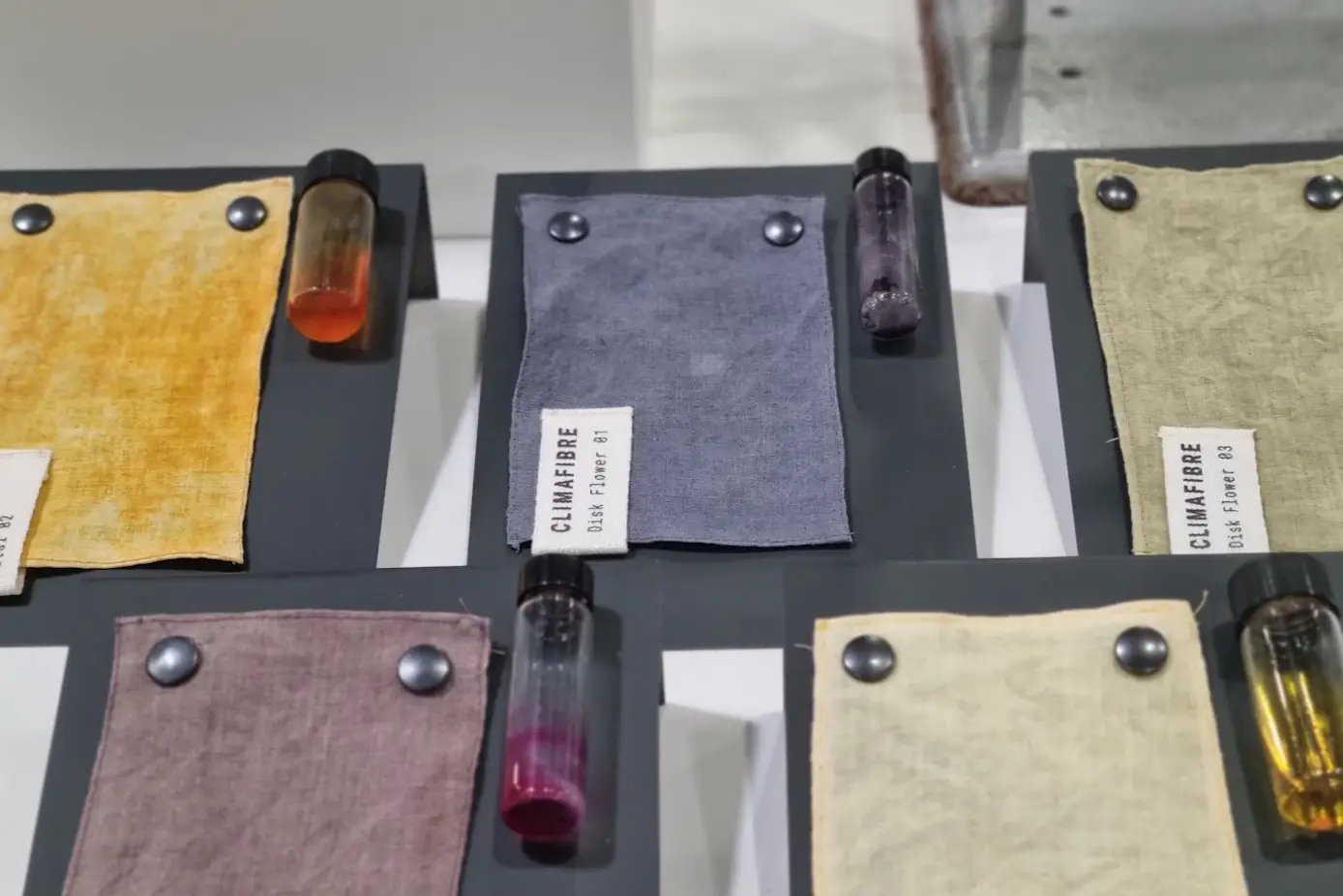
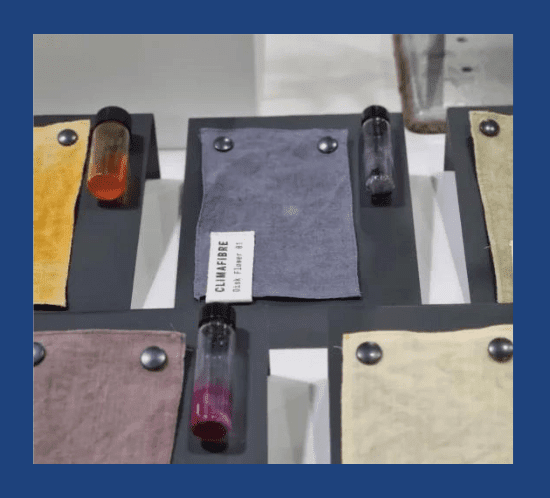
Article by Jasmien for Fashion United on fabrics that make the fashion industry more sustainable.
This year the ‘Future Fabrics Expo’ blows out ten candles. For a decade now, you can visit London every year to discover the latest developments in sustainable fabrics. Curious about the highlights? We are pleased to list them.   The tenth edition of the Future Fabrics Expo took place on 28 and 29 June in London.

Future Fabrics, what?​

That the fashion and textile industry contributes quite a bit to the climate problem is no secret. The fabrics that are used by the industry to make clothes often have a huge environmental impact. Cotton and polyester together account for about 80 percent of the clothing we wear, according to Textile Exchange’s Preferred Fiber and Materials Market Report 2021. Cotton requires an enormous amount of water (and pesticides) to grow, resulting in the drying of lakes and disappearing of nature and biodiversity. The production of polyester, on the other hand, requires a great deal of energy. Moreover, this material is made from oil and thus also contributes to the depletion of this non-renewable resource.

More and more brands and designers are therefore looking for better alternatives to the most commonly used materials. And that is where the Future Fabrics Expo comes in. It is the largest expo dedicated to sustainable and responsibly produced materials. You can find both commercially available fabrics and discover the latest innovations.

Inspiration from nature

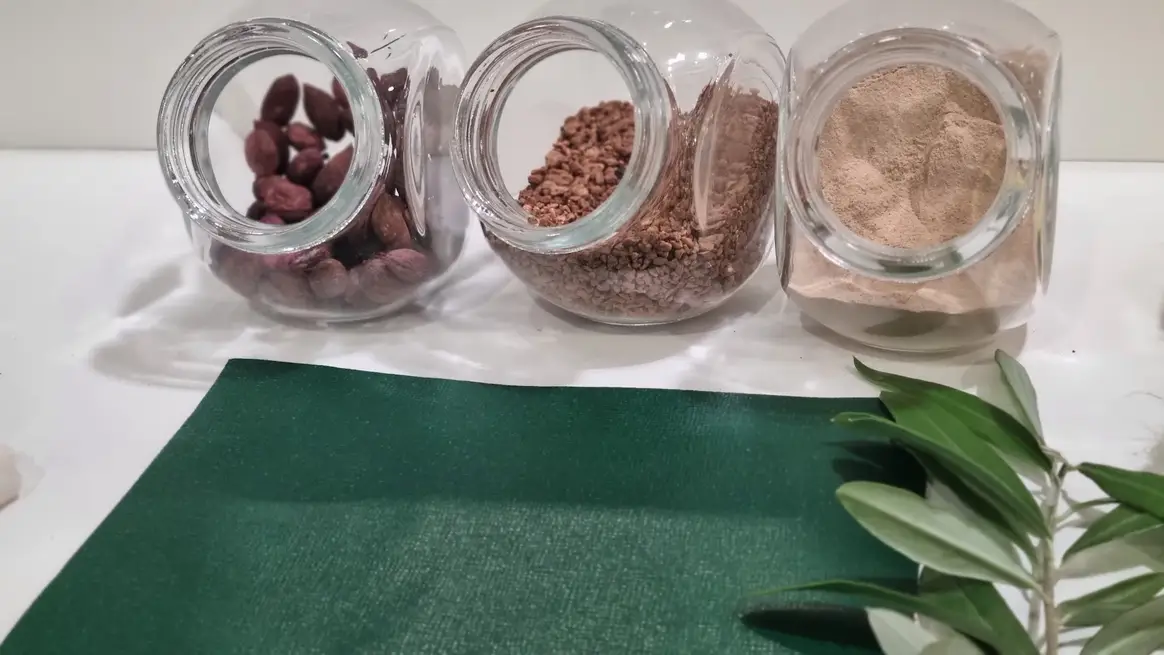
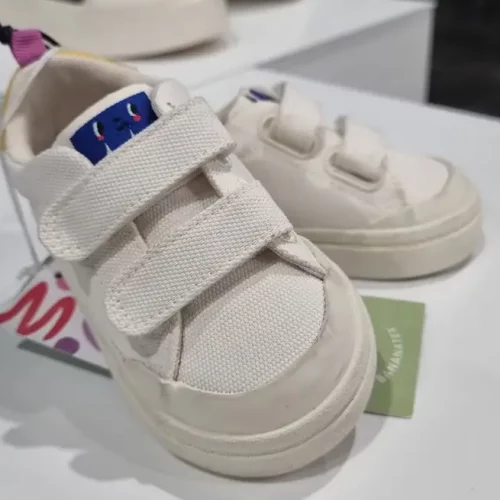
Many of the innovations that are currently in the development stage take their inspiration from nature. Italian company EMM, for example, has developed a synthetic alternative to leather that is partially (20 percent) made of olive stones, a by-product of the olive oil industry. The base of the material consists of recycled cotton. Bananatex ®, in turn, is made from the Abacá banana plant. This textile is manufactured without pesticides, fertilizers or extra water and has made a lot of progress since its launch in 2018, with a ‘Cradle to Cradle Gold’ certificate last year as the icing on the cake.
Emm synthetic leather with olive stones

Deep in the sea…

Fabric Sourcing Consultant Annet Sunderman specialized in sustainable textiles in recent years and has, for example, already worked with Bananatex ®. She indicates that innovations like this are important for the industry. “Besides fibers like these, I see especially a lot of developments with algae at the fair this year. I really believe that we can expect a breakthrough in that pretty soon.”

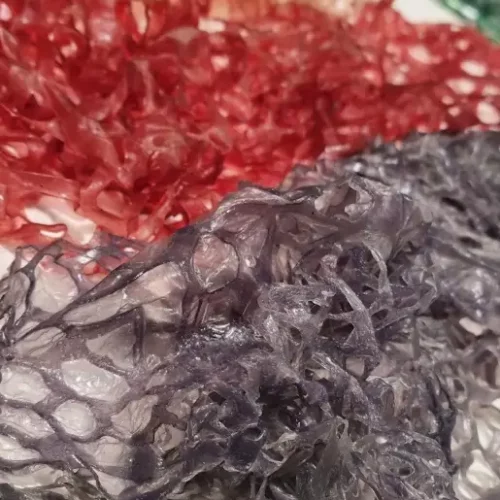
She refers primarily to ‘Seacell’, a patented material made from seaweed from the fjords and cellulose from sustainably managed forests.

“It’s really tremendously soft to the touch, but it’s still pricey.” And with that, Sunderman immediately identifies one of the tricky points. More sustainable materials often have a higher price tag, which is currently delaying their breakthrough. On the other hand, regular fabrics are also rising in price. Cotton, for example, is becoming increasingly scarce with the well-known financial consequences.

Waste becomes raw material: how about recycling?

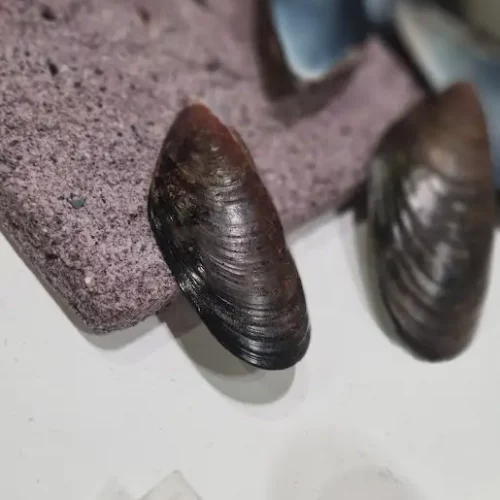
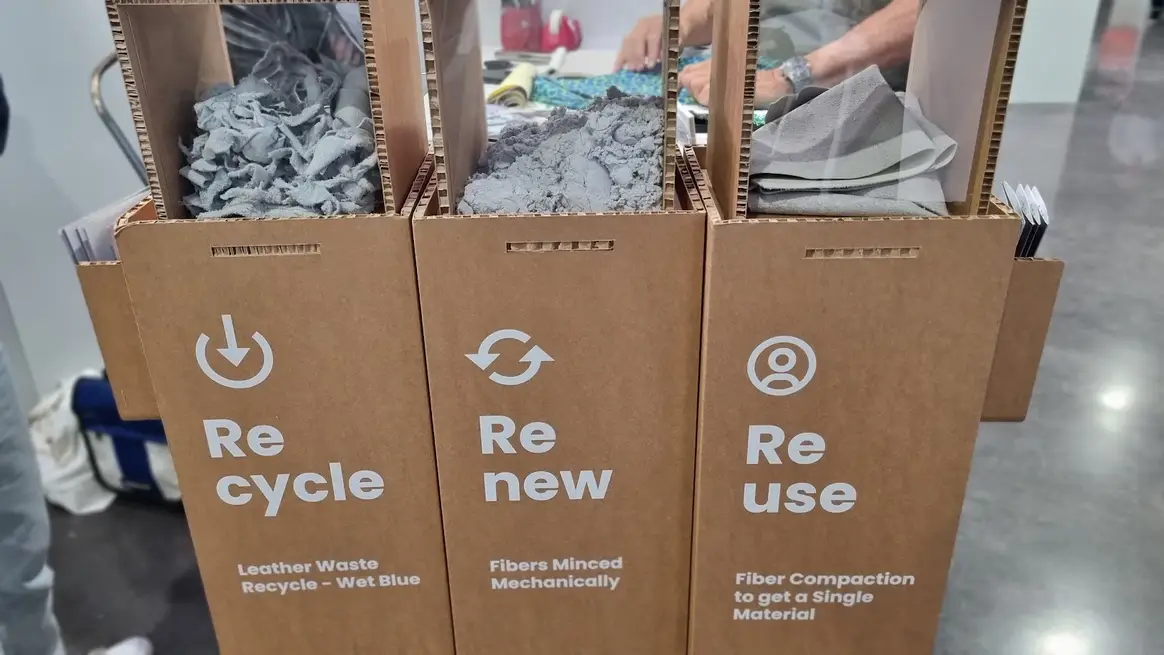
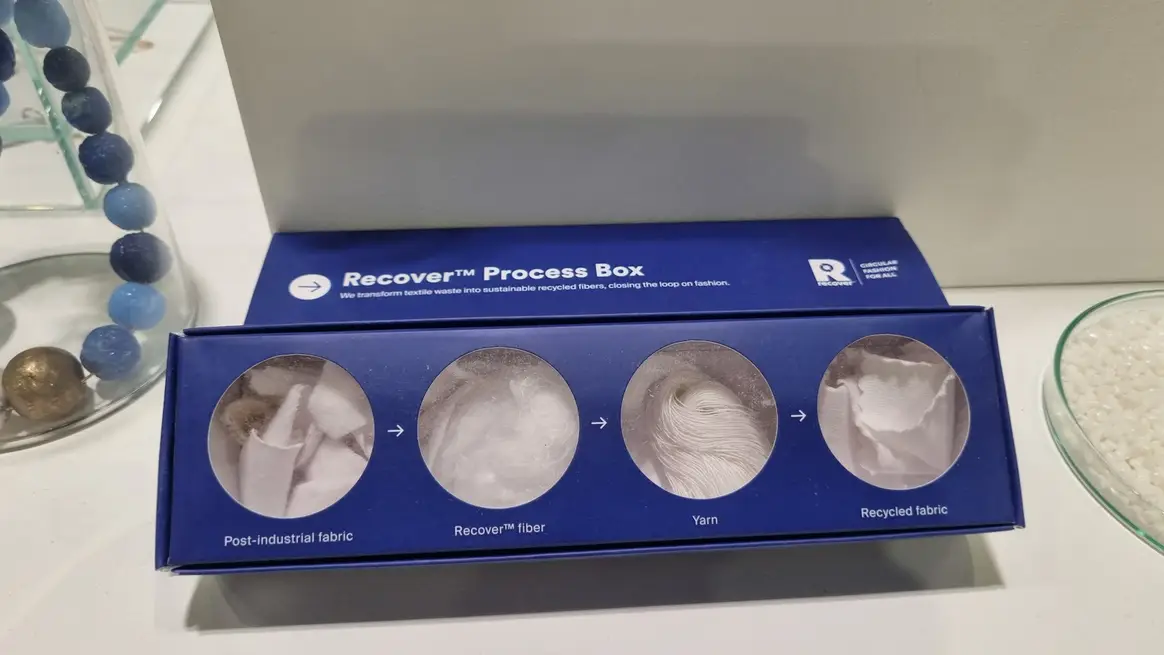
Not only the ‘bio-based’ solutions are represented at the fair, also recycled materials remain important in the race to use less ‘virgin’ (new) fibers. Besides a lot of recycled fabrics which you can find in the hall with commercially available fabrics, you can also get to know a lot of new projects in the innovation corner. ByPell® – the company that collects waste from tanneries to make recycled leather – is just one example. Recover™ draws on more than 70 years of recycling experience to offer a range of solutions for cotton.
ByPell ® recycled leather
Recover™ recycled cotton

So, tomorrow we’re all green?

Innovations take time. That is the case for every industry. A whole number of players at the fair therefore come back year after year to show progress. And the sector does progress, but for a lightning-fast industry like fashion, the pace sometimes seems slow. It therefore requires a different mindset from buyers and designers: taking the time to explore and test new materials is crucial.

Lieve Vermeire, Sustainability Manager at listed Belgian lingerie company Van de Velde agrees: “The expo gives a good overview of what is already commercially feasible and scalable and what is still in the early stages of research in terms of material innovations. The combination with the seminars, which highlight highly relevant themes, also provides an update on the current state of things. Visiting the expo is an inspiring and motivating boost in the search for how we can have a more positive impact as a company.”

Jasmien author of the guide for creative entrepeneurs: Sustainability in your company: where to start?

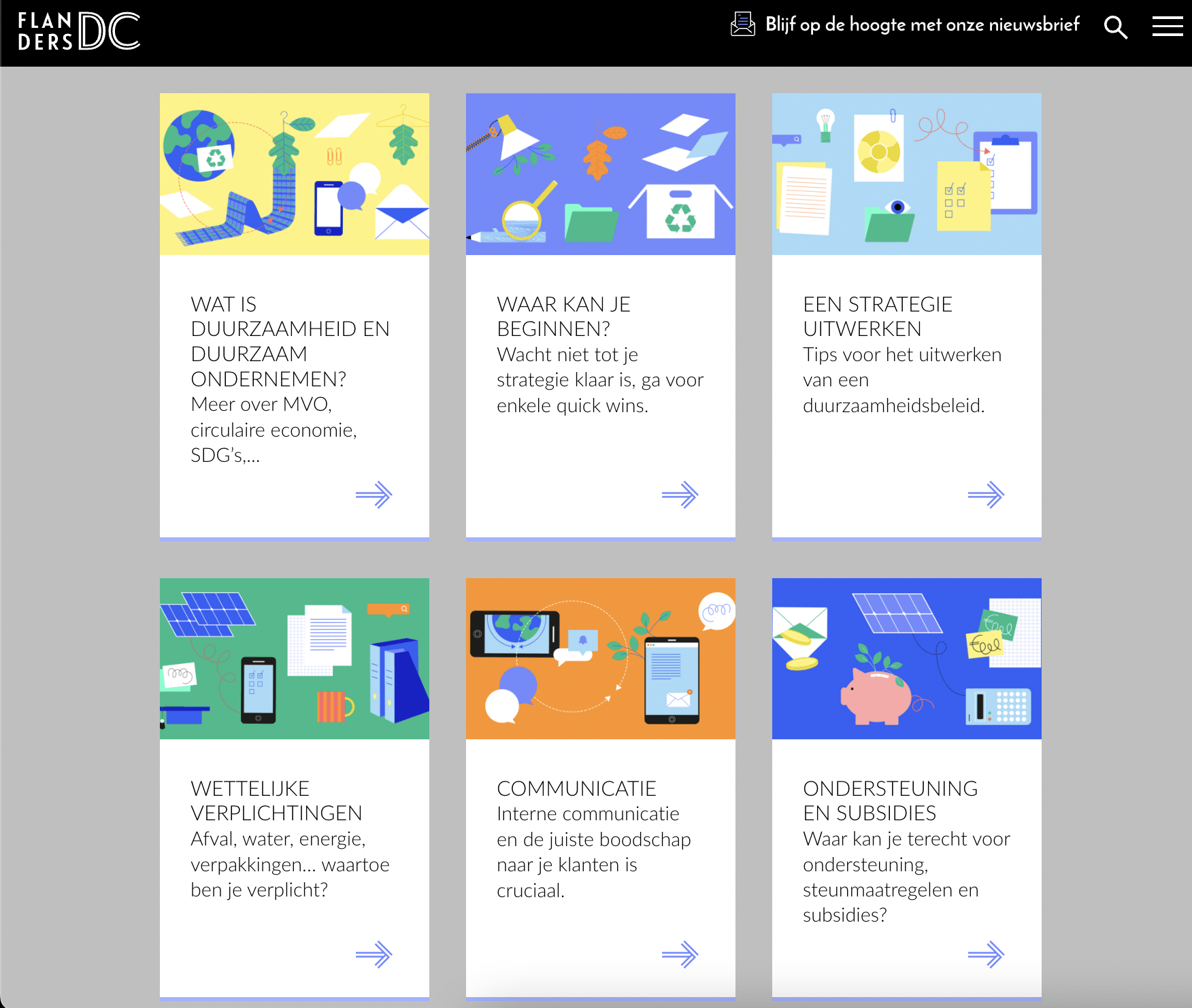
Jasmien wrote the guide for creative entrepreneurs for Flanders DC:  “Where to start with sustainability?”.

If you’re in business in the creative industries today, you better be ready for tomorrow. In this guide you can find all the basics on sustainable entrepreneurship and CSR. It helps you if you have no background or idea where to start. It offers links to relevant tools and inspirational articles to get you started.  

Topics include:

– definitions: sustainability, CSR, SDG’s, circular economy,…
– how to start?: define your quick wins
– develop a sustainability strategy
– legal obligations and compliance
– communication about sustainability
– funding and support
Project lead for Close The Loop, a guide towards a circular fashion industry

Jasmien is the co-author of the Close The Loop-platform of Flanders DC (former Flanders Fashion Institute). She created this online tool  in cooperation with Circular Flanders. After the launch of the website, she built a programme based on this knowledge base including workshops, talks, consulting trajectories for SME’s and a network of ambassadors. 

She still offers consulting, webinars and talks based on this framework a.o. for start-up companies as coach for MAD Brussels, as consultant for more mature SME’s for Flanders DC and via the Fashion Council Germany ‘ReFashion platform’. 

The tool is used in various lectures at universities.
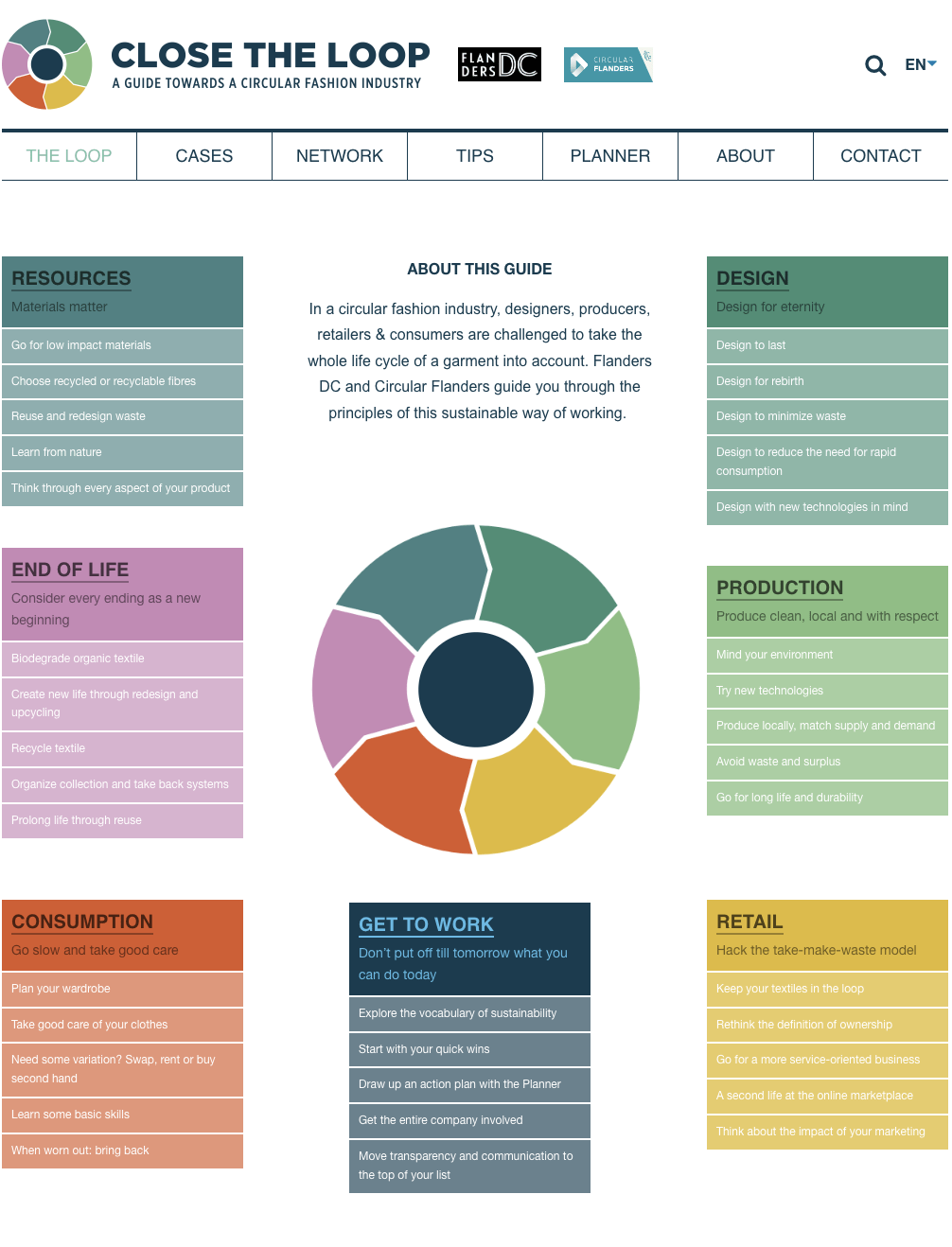
In a circular fashion industry, designers, producers, retailers & consumers are challenged to take the whole life cycle of a garment into account. Flanders DC and Circular Flanders guide you through the principles of this sustainable way of working.

Interview Fashion United: The job of…Jasmien Wynants – Expert Sustainable Fashion

Interview with Jasmien in Fashion United, written by Christin Ho

In the section ‘The job of …’, FashionUnited wants to inspire you with testimonials from professionals in the sector. What does their day look like on average? What skills do they need for their job? What challenges do they face? Jasmien Wynants, Project Manager – Expert Sustainable Fashion at Flanders DC, is the first to answer.
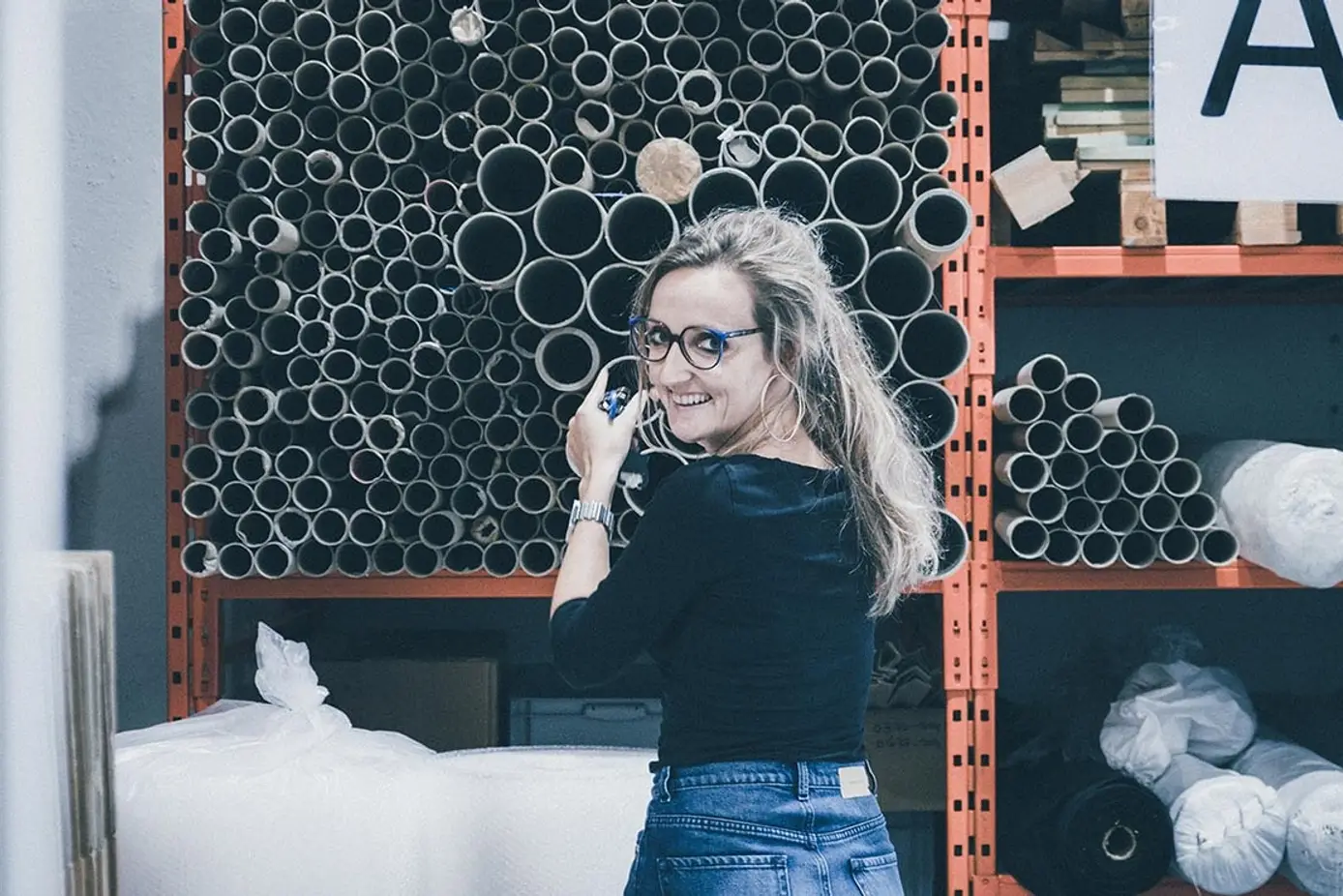
Image: Karlijne Geudens

How did you end up in this job?

“After my studies in communication sciences and management, I gained experience in the marketing and advertising sector. I was initially involved in developing digital campaigns, and later in creating internal tools and templates and optimizing work processes at the large Antwerp creative agency These Days (now Wunderman Thompson).”

“Because of my work experience at These Days, I was the perfect candidate for a new position at the Flanders Fashion Institute (nvdr. in early 2016, Design Flanders, Flanders Fashion Institute and Flanders DC merged into one organization: Flanders DC), where they were looking for an expert knowledge and tools. It soon became clear that in addition to that domain, there was also work to be done regarding the theme of ‘sustainability’. At the time of my recruitment, the City of Antwerp knocked on their door to collaborate on circular fashion for ‘stadslab 2050’, a project that I helped launch. Since then, I have continued to be committed to a sustainable(er) fashion industry.”

Jasmien Wynants in brief:
– Age: 32 years
– Education: Master in Communication Sciences and Master in Environmental Sciences
– Job title: Project Manager Expert Sustainable Fashion at Flanders DC
– Job: Works 5 years at Flanders DC in Antwerp
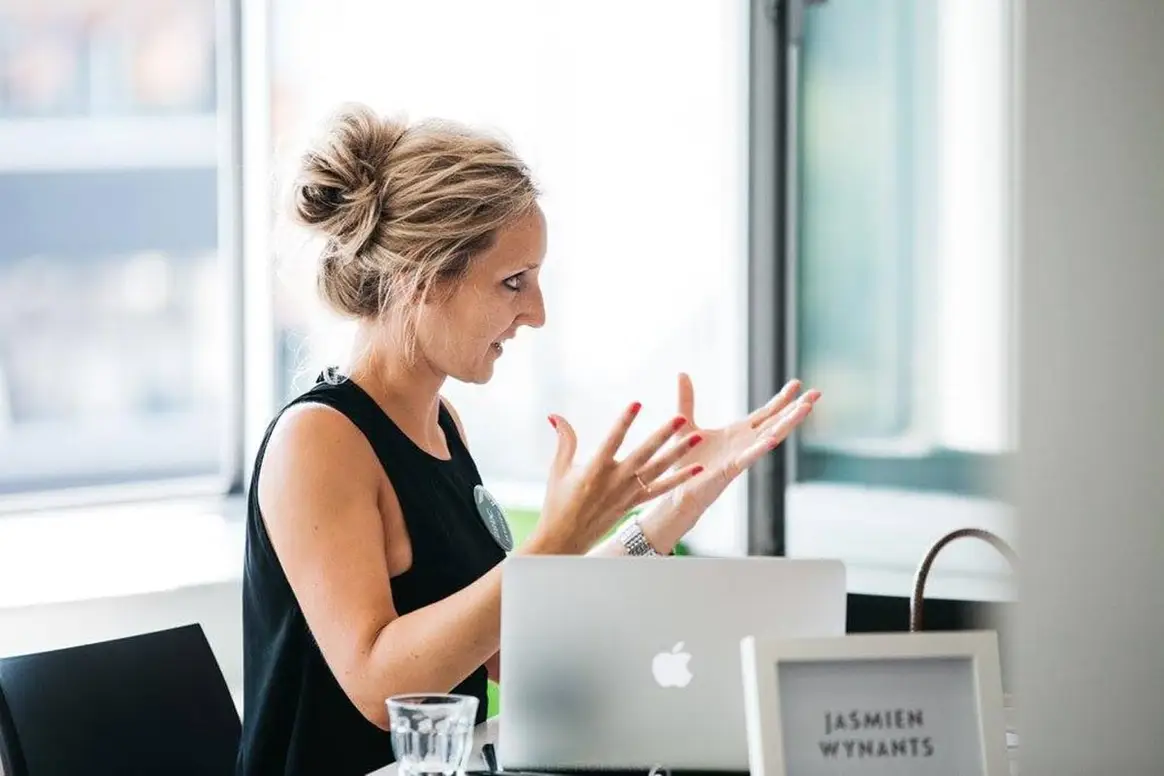
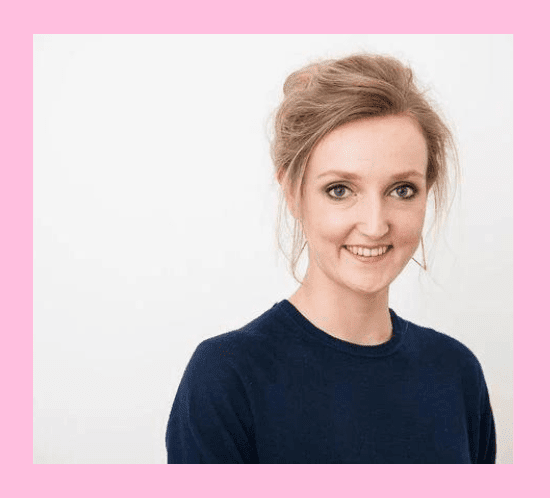
Since 2017, you have been guiding fashion entrepreneurs in sustainable entrepreneurship with the Close The Loop tool. How do you guide them?

“Close The Loop’ is a very practical online platform on which we motivate companies to get started themselves. When the tool was first introduced, it was mainly start-ups that wanted to get the sustainability movement going, but in recent years we’ve been getting more and more requests from larger companies. Because we can certainly create an impact in the industry with those Flemish SMEs as well, we started ‘Close The Loop’ trajectories in 2017. In a tailor-made annual program, we look together with these companies from Flanders DC for which processes we can improve and how they can achieve this. To this end, we work together with a broad network of experts and consultants. Collaboration is extremely important; after all, you don’t make sustainability happen on your own.”
Image: Fille Roelants

What does your day look like at Flanders DC?

“My job is very varied and every day is different. That makes it super fascinating. The past two weeks, for example, I have been sitting down with companies that we support in their sustainability process. I also receive e-mails every week from entrepreneurs who want to get in touch with sustainable platforms and experts or who have some specific questions. In addition, I do content creation. For example, I give lectures and presentations, I feed the Close The Loop website and I try to share as much knowledge and inspiration as possible with the Close The Loop community on Facebook.

What would you like to delve into (further)?

“Sustainable fashion remains my passion, I want to gain every piece of knowledge about that. I hope that with Close The Loop we can contribute to a sustainable fashion industry. From Flanders DC we also want to focus even more strongly on ‘fashion and technology’ within what we call ‘future-oriented entrepreneurship’. In that context, for example, we are currently rolling out a whole FashionTech community with events.”

Do you have any tips for people who want to follow in your footsteps?

“A certain basic knowledge of sustainable fashion is a requirement, though. I started an additional course in Environmental Sciences to specialize further, but of course you don’t have to go that far. You get far by reading a lot and educating yourself with online courses. The online course from Sustainable Fashion Academy, for example, is highly recommended.” “In addition, building a network is also very important. The fashion world is changing rapidly and there is so much going on around sustainable fashion. In order to stay on top of all the updates and to make the whole movement go a little faster, it is necessary to share information and work together.

What would people not immediately expect in this job?

“Difficult question. I think people might expect it, but at Flanders DC everyone who works there is ‘bricklayer and architect at the same time’, as my boss puts it so nicely. That means that you have to be able to think strategically and come up with projects and ideas yourself, but you also have to be prepared to do executive work. In the ‘Close The Loop’ projects, for example, you see this very clearly: first you work out the global idea, make a plan of action, a budget estimate and a timing, but then you actually put everything into motion. You organize the kick-off event, follow up the meetings and reports, make sure a website is developed and communicate about it. So you have to be a bit of a jack-of-all-trades and not be afraid to roll up your sleeves.”

What is the hardest and most enjoyable thing about this job?

“The most fun and the toughest thing at the same time about this job is that you are trying to create change, to move a stone. I hope that with Close The Loop we contribute to a ‘better’ fashion industry and that is very challenging and fun. For this I work with so many inspiring people and hear new fascinating stories every day. As is the case with any change process, it is of course quite challenging. You often come up against difficulties that prevent you from achieving the desired result, such as sustainable materials that have yet to be invented. In short, there are a number of barriers to overcome. That is why I often repeat the following message to myself and the many companies with which Flanders DC cooperates in order to stay motivated: it sometimes seems like an impossible mountain to climb, but step by step we get there. Every little bit helps!”

Interview Knack Weekend: ‘Transparency remains one of the most difficult topics for the fashion industry’

Interview with Jasmien in Belgian magazine Knack Weekend, written by Anke Wauters

Jasmien Wynants is the project manager of Close The Loop, a platform of Flanders DC where you can consult all details of a garment, such as the materials used, production techniques, suppliers and the price calculation and carbon footprint.
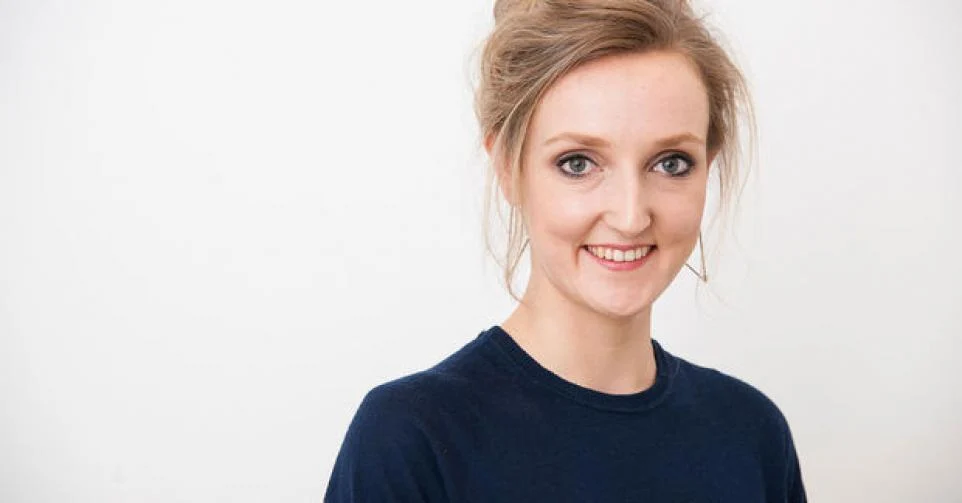
Jasmien Wynants works for Flanders DC, the point of contact for entrepreneurship in the creative sector. Wynants is the project manager of Close The Loop, a platform where you can consult all the details of a garment, such as the materials used, production techniques, suppliers and the price calculation and carbon footprint. Since the launch, we’ve noticed that the intention to communicate transparently and to become more sustainable is really there for a lot of Belgian fashion brands,” says Wynants. Which of course immediately makes us wonder:

How transparently do Belgian fashion brands communicate?

We have a few pioneers in the field of transparent communication. Bruno Pieters in particular is internationally known for this. With his HonestBy platform, he owns ‘the world’s first 100% transparent company’. Other fun initiatives in this area include Made & More in Liège, which uses QR codes in your clothing to show videos about where and how something was made. Transparency remains one of the most difficult subjects. Not only for the end consumer; also for the fashion industry itself it often remains difficult to find out where and how something is actually made. The Dutch documentary ‘De slag om de klerewereld’, in which Teun van de Keuken goes undercover as a textile trader, demonstrates this well.’

Transparency remains one of the most difficult subjects. Not only for the end consumer; also for the fashion industry itself it often remains difficult to find out where and how a garment is actually made.
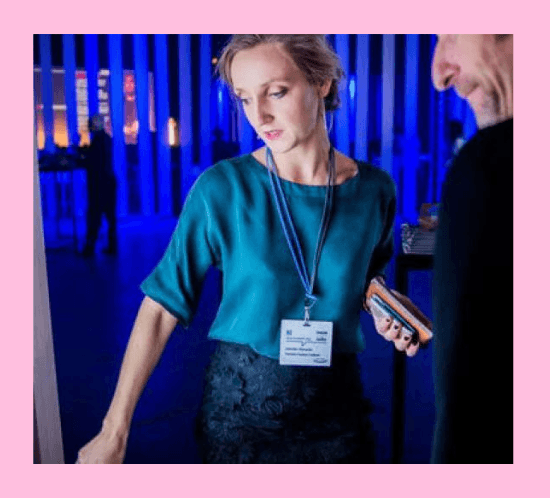
Are there any sustainable initiatives that you find inspiring?

‘So many! Every day I keep discovering new people and brands that put their heart and soul into their own sustainable projects. From home, I immediately think of W.r. Yuma, which makes sunglasses out of car dashboards and other recycled materials, and Murielle Scherre, who with La Fille d’O keeps making everything as local as possible and paving her own way.

And across the border?

‘I’m looking wide-eyed at the winners of this and last year’s H&M Global Change Award. People who make textiles from oranges or cow dung, are fully committed to high-quality cotton recycling, or work around RFID wires to track a fabric’s path. These are people who are betting on innovations that can change the future.’

Do you have the impression that consumers are aware of the issues in fashion and are shopping consciously?

‘Not enough yet, but more and more. You can also feel that in the sustainable brands that are joining or opening pop-up shops. We still have a long way to go, but I am getting a lot more questions about the topic today, both from professionals and consumers. I definitely believe we are moving in the right direction.’

How can we convince people to choose sustainable alternatives?

‘By showing them that there are a lot of brands that provide sustainable fashion in very different styles and at very different prices. Just think of JBC (who launched a transparency tool on their website this week), Bel & Bo and CKS – all members of the Fair Wear Foundation. Sustainable fashion is no longer a niche and by now you can find almost anything quite easily and more sustainably made. In addition, of course, fashion companies have a role to play. Don’t forget that people still buy clothes in the first place for other reasons: it’s beautiful, it feels good, it fits like a glove… With that, you still convince the majority of your audience to choose your brand. So it’s important to deliver a good product for your target audience. Sustainability is usually not ‘the first reason’ why the consumer buys something, but you can choose as a company to make and offer it that way.’

Should sustainability be a part of (fashion) education?

‘Yes. I believe sustainability should be part of education. As early as secondary education. There are often lessons on north-south issues or food waste – sustainability can already be framed more broadly there. In this way the awareness of the theme is present much earlier. In addition, I do indeed think that it is important that also in higher education students are made aware of the issues so that they can make their own choices.’

Interview Knack Weekend: 5 questions for the sustainability expert

Interview with Jasmien in Belgian magazine Knack Weekend, written by Annelien Boens

In April we pay extra attention to sustainability at Weekend.be. We let some experts talk about their commitment to sustainability. Today we talk to Jasmien Wynants, project manager at Flanders Fashion Institute, who focuses on circular fashion and guides start-ups in the fashion sector.
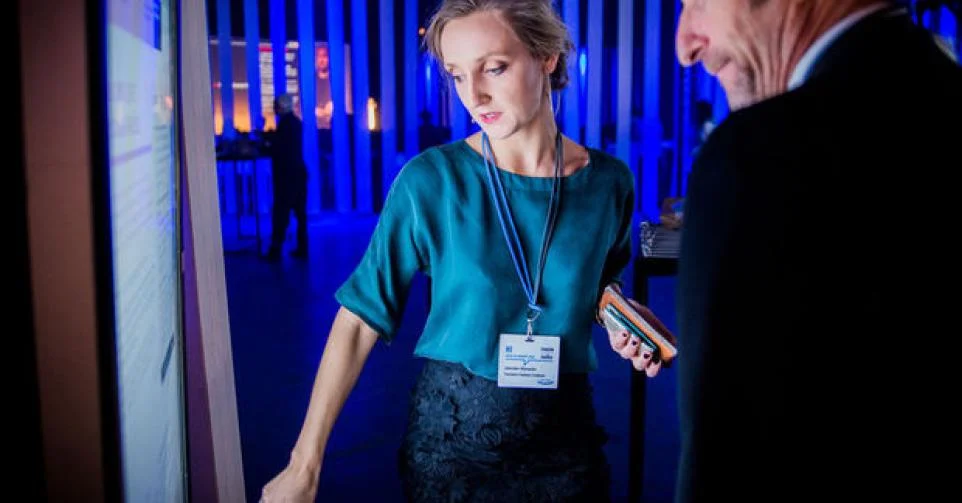
Jasmien Wynants - Fashion Talks - image: Fille Roelants
As Project Manager at Flanders Fashion Institute, Jasmien Wynants developed ‘Close The Loop’ together with Plan C last year, an online tool that guides fashion entrepreneurs through the principles of circular economy and provides them with concrete strategies and tips to apply in their own business. In addition, she is also responsible for the guide that FFI makes for start-ups in fashion.

Do consumers see that sustainable fashion is the future?

I believe there is a growing interest in sustainable fashion and more and more consumers are becoming more conscious about their clothing choices. Whether therefore enough consumers already see that the future is sustainable fashion? In my opinion, we are not there yet. But perhaps the question is also: how can we ensure that the fashion industry generally evolves more towards a more sustainable sector? Imagine, as a consumer, walking into a store and having to struggle to find something that is not sustainably made instead of the other way around. Of course, I don’t mean by this that the responsibility lies solely with the designers, retailers or producers, but a positive evolution is needed in the mindset and actions of all parties involved.’

How important are fair trade labels?

‘Labels are important, as long as we can still see the forest through the trees. Websites like labelinfo.be therefore are very important in my opinion, because they give an overview of the different labels in the world of sustainability and what they stand for. There are many different criteria and yardsticks to measure the ecological footprint or to assess whether clothing is made in fair conditions.

Even if you, as a consumer, want to buy sustainably, it is unfortunately not so easy at the moment to know how to do it. A little tip here: the GOTS label is an international label for organic textiles and takes into account both social and environmental factors.’

How do you plan to convince people to choose sustainable alternatives?

‘By showing that sustainable doesn’t always have to be expensive and certainly not ‘unfashionable’. Look at JUTTU for example, the concept store of A.S. Adventure shows a wide audience that sustainable fashion is not a niche. In the online tool we provide a lot of inspiring cases in different segments and styles to show that it does exist.

Although we mainly want to reach the fashion entrepreneurs with our initiatives, we also give the consumers information on how they can contribute. For example, we shared some very concrete tips as ‘good intentions’ at the beginning of the year. Let’s face it, who doesn’t like to hear that it’s best to iron as little as possible?’

Is there still a lot of greenwashing going on?

I think it is getting harder and harder to greenwash. Initiatives like the Clean Clothes Campaign and Rank a Brand play an important role here. In that context, I am also convinced that more transparency over the entire chain will be a necessity to work towards a more sustainable fashion industry.’

What sustainable projects do you find very inspiring?

‘In the summer Bruno Pieters organizes the expo ‘(Behind) the Clothes’ in the context of ‘Born in Antwerp’ where, by analogy with the honest by platform, he unravels the Antwerp creative fashion network, investigates it and presents it to the general public. I am also excited about the Fashion Flows trajectory, the Post Couture Collective of Dutch designer Martijn Van Strien who is now collaborating with some alumni of the Modeacademie, the clothing library of Les Rebelles d’Anvers that opens in Antwerp in April and the young designers who are holding on to a more sustainable fashion industry like ROMBAUT and Katrien Van Hecke.’
Loading new posts...
No more posts