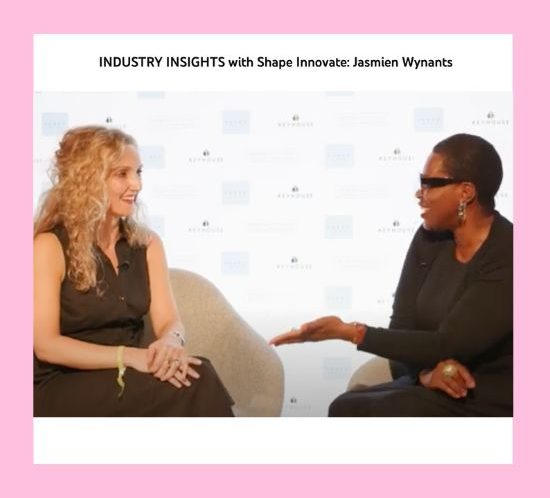



In an interview with Shape Innovate Founder & CEO Muchaneta ten Napel, Jasmien Wynants talks about her mission of helping companies to get their sustainability strategy straight.
Jasmien helps fashion companies in their sustainability efforts for the Belgian non profit Flanders DC (former Flanders Fashion Institute)
Based on the Close The Loop platform (which she co-developed with Circular Flanders), she guides SME’s through the principles of CSR and circular economy, helping them to create their action plan in workshops online and in real life.
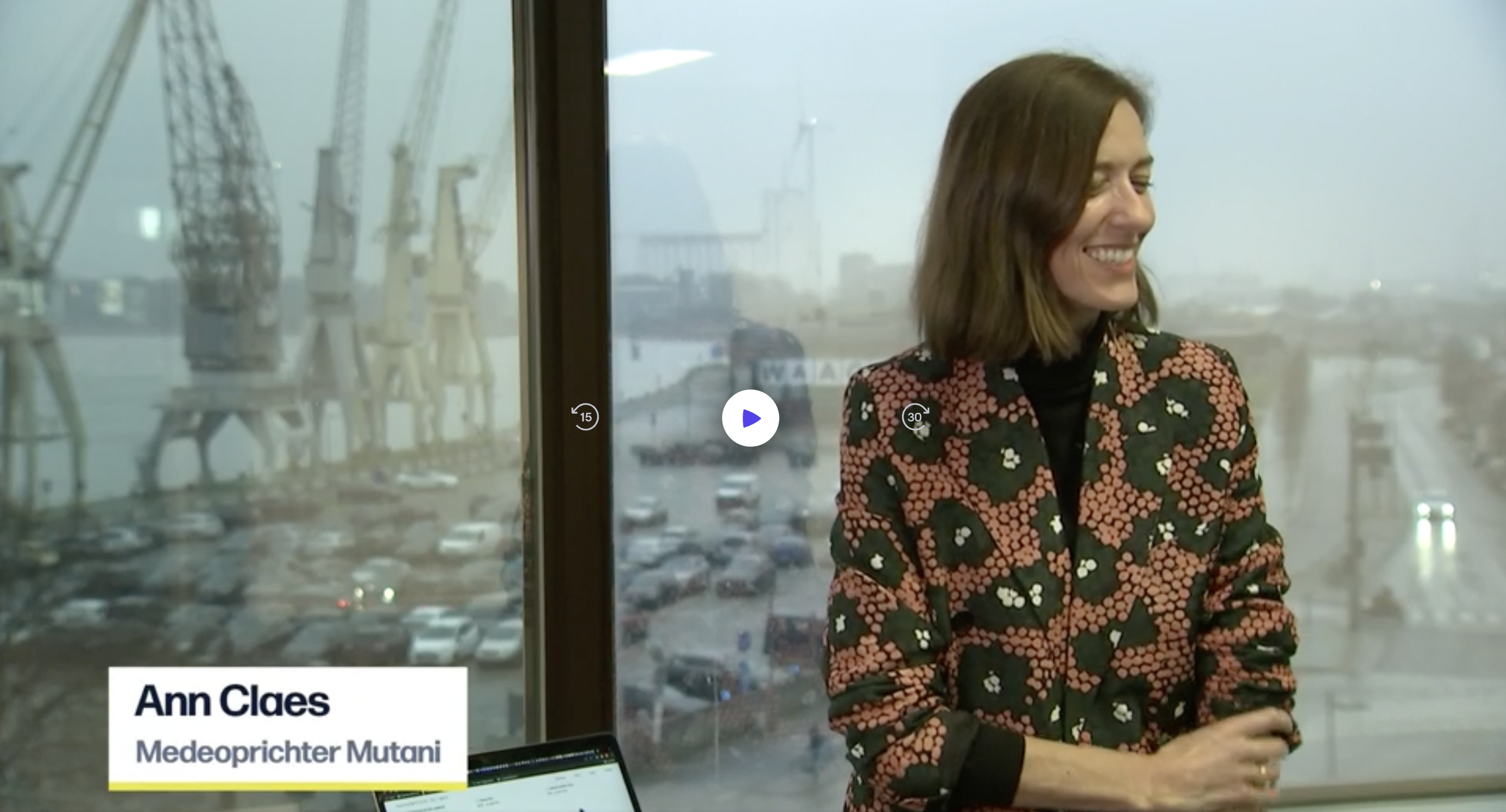
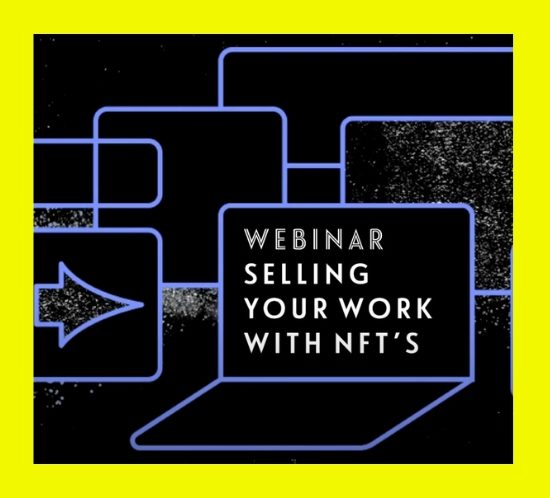
Ann Claes interviews Ryan Gill, founder and CEO of Crucible and Open Meta for Flanders DC. In this webinar you will get insights on how to sell your work with NFT’s but also a good basic introduction to the concept.
NFT’s – non fungible tokens- have been a hot topic in recent months. Is this the new way to trade digital creations and a new channel to promote your creations? Discover together with Ryan Gill in this webinar what NFT’s can mean for you and whether you as a creative entrepreneur should use it.
For this webinar Ann Claes goes into conversation with Ryan Gill. Ryan is the founder and CEO of Crucible, an open source software company looking to the future where you can use your digital identity across all platforms. His whole career he has been moving between technology and finance. Blockchain technology and crypto-economic design have no secrets to him. The perfect speaker to introduce us into this new universe.
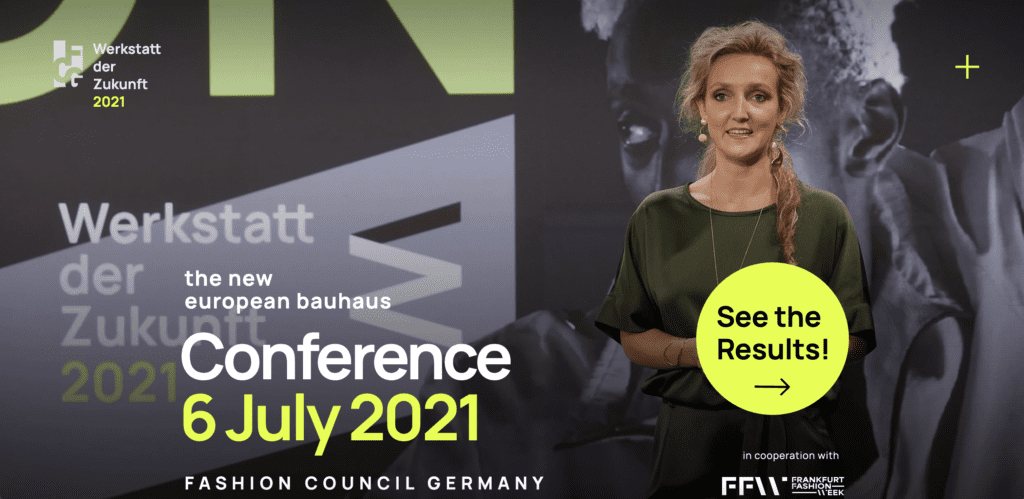
Inspired by the “New European Bauhaus” initiative of the President of the European Commission Ursula von der Leyen, which she presented for the first time in the”State of the Union” speech in September 2020, the Fashion Council Germany, in cooperation with Messe Frankfurt, organised the conference “The New European Bauhaus – Werkstatt der Zukunft”. With a manifesto for a systematic change of the fashion industry, topics such as sustainability, crafts, digitalisation and technology was the focus.
The conference took place in 2021 on the occasion of Frankfurt Fashion Week. The opening speaker is Ursula von der Leyen.
Watch the talk on the website of the New European Bauhaus Conference.
Ann Claes is curator and moderator for this webinar on Augmented Reality and metaverse applications for the creative industry.
During this webinar of Flanders DC we delve deeper into the technologies Augmented Reality (AR) with PLAYAR and metaverse with Howest. We show the possible influence and opportunities for the fashion and design sector using concrete examples. We also explain what the business potential can be per application, with a strong focus on experience and retail.
Bas Gezelle is one of the owners and strategy lead of AR agency PLAYAR. They develop augmented reality experiences for brands on all social media platforms and on the web. From stores that get an immersive experience, trying on virtual fashion to other products that come to life virtually.
Digital Transformation Valorization Manager Kurt Callewaert explains Howest’s initiatives and ambitions within Web3 and Metaverse. Researcher and business consultant Jonathan Maes takes you through the immense potential of the metaverse using a real life use case.
Ann shares her personal view on what is happening around her, shifts in innovation she sees happening or novelties to discover with a monthly column for the Technology section of Belgian newspaper de Tijd.
Some of them you can find here in English on the website, others exclusively in Dutch on their platform and printed version.
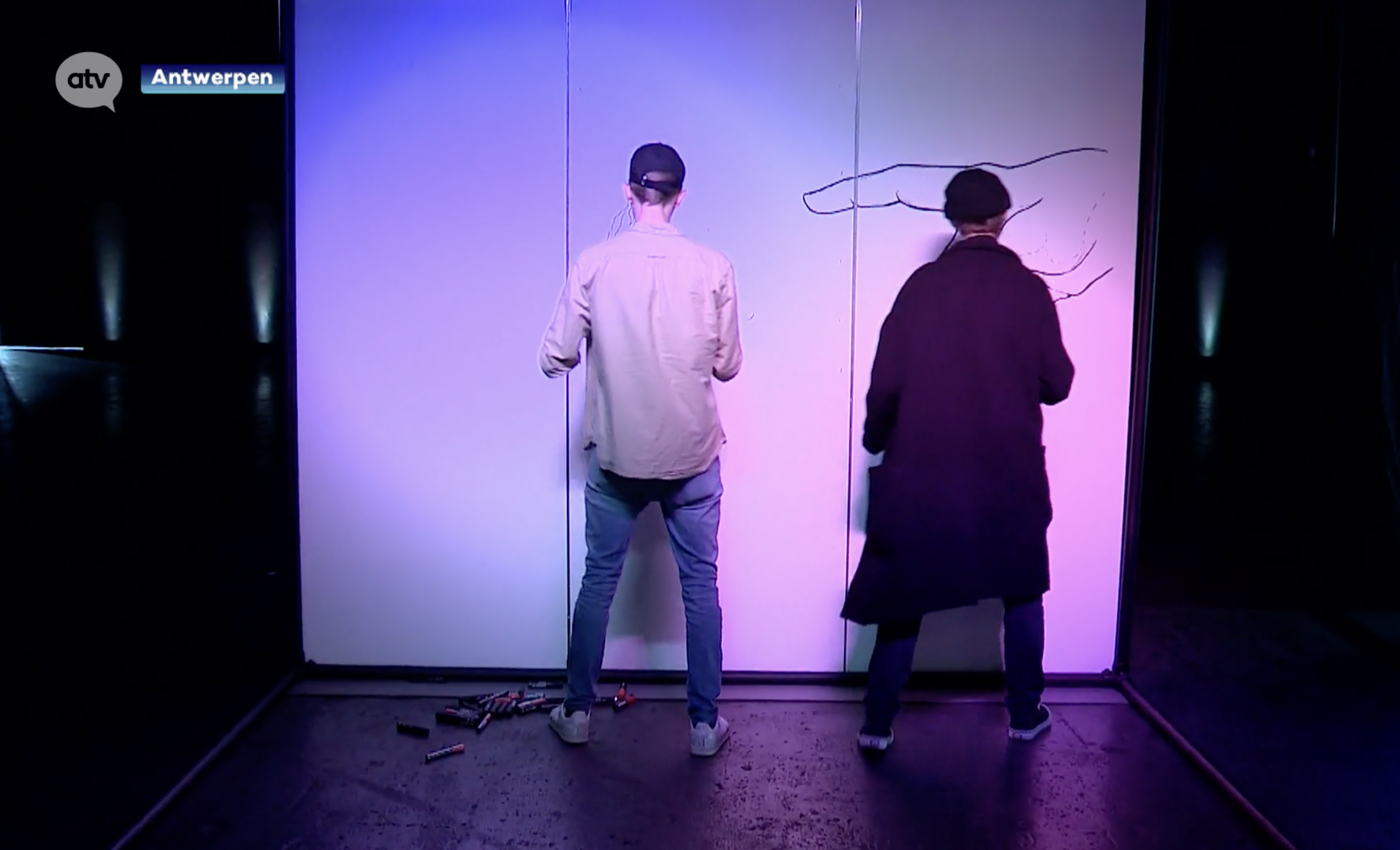
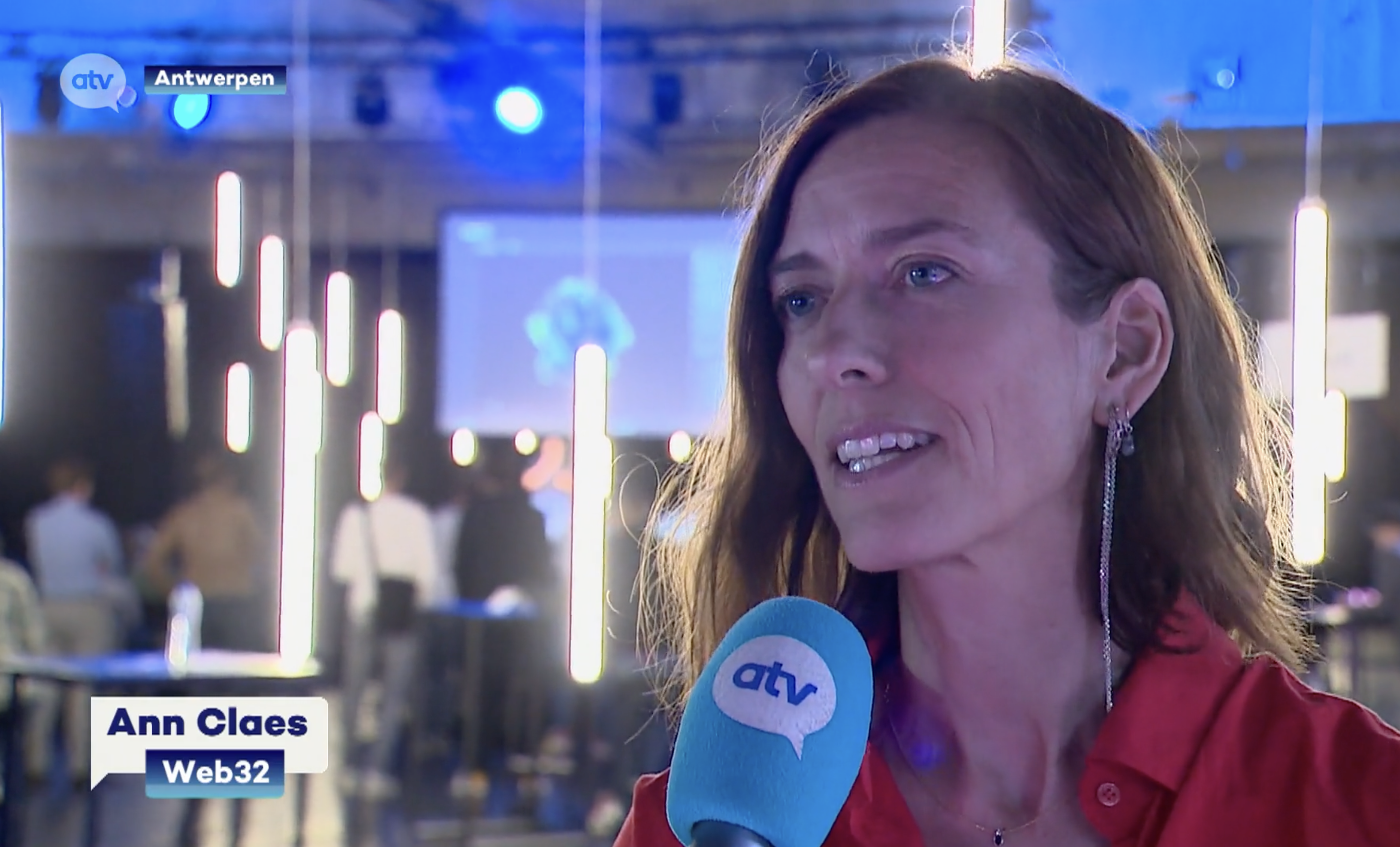
Web32 took place in the Waagnatie, a networking event for enthusiasts of everything to do with blockchains, NFTs and everything the digital world has to offer.
In addition to networking, you could listen to experts who are actively working on modern technology and digitalization. But the event was also for people who had never heard of things like the metaverse or virtual reality. You could get to know it all at interactive stands that appealed to the imagination.
Ter Zake & VRT News : Diving deeper into current affairs. With guests and reports that determine the news on the basis of sharp, critical and illuminating interviews.
The fashion industry grapples with numerous challenges, but technology offers a pathway to addressing these issues.
May 12, 2023, De Tijd
For many, fashion stands as a cornerstone of their identity. Ever-evolving trends serve as mirrors reflecting societal changes, nurturing the dreams of many. Within its realm thrives a community brimming with passionate individuals, wielding creativity and beauty as their tools.
Regrettably, a darker underbelly exists – rampant overconsumption, hazardous materials, and exploitative production practices. This somber reality has propelled the industry toward a sustainability crusade spanning several years. Urgent recalibration is imperative, as underscored by the words of British fashion luminary, Vivienne Westwood: “Buy less, choose well, make it last.”
Despite its seasonal innovation, the fashion domain clings to conservatism. In tandem with calls for transparency and behavioral shifts, technology emerges as a potent ally in accelerating sustainability.
Data analysis empowers smarter procurement and production decisions. Innovative tools like Shavatar, ContourLab, and Zalando’s virtual fitting room aid online shoppers in accurately assessing sizes and body types. This not only slashes return rates but also augments customer satisfaction.
Renowned sustainable fashion expert Jasmien Wynants laments in the book ‘Groeien Broeken aan Bomen?’ that every passing second globally witnesses a voluminous dump of textiles, incinerated or discarded onto wastelands. These precious resources merit reincarnation.
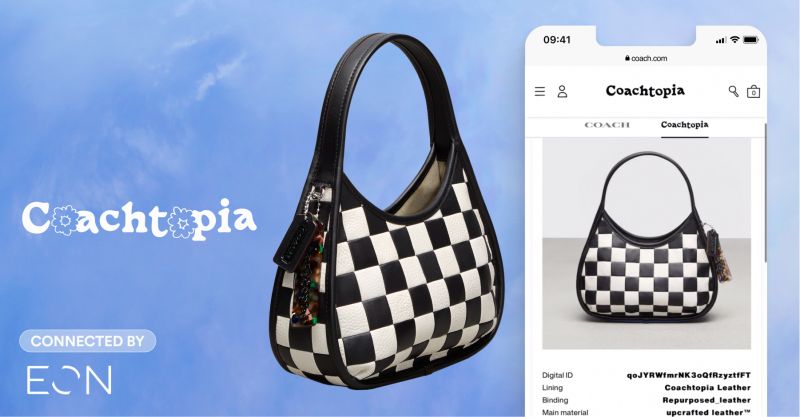
Digital product iD by EON for Coachtopia
Coachtopia, an offshoot of fashion powerhouse Coach, morphs this cycle into an engaging escapade. With a TikTok frenzy and an enthusiastic Gen Z community, discarded materials and excesses are transformed into novel products, primed for recycling.
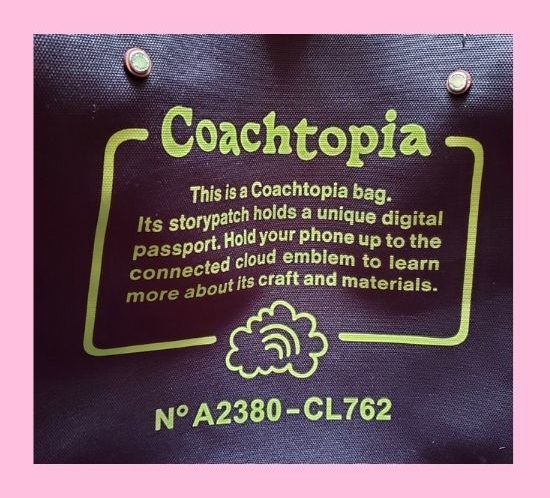
Each item bears an NFC chip that, upon a phone’s touch, unveils a digital dossier – divulging insights into materials, design, and ecological footprint. This passport also charts the product’s journey, whether it undergoes repair, reuse, or reinvention.
The startup EON champions these digital product passports, leveraging blockchain for transparent verification and monitoring. Teaming up with esteemed French luxury brand Chloé, EON streamlines the process of sharing product information on second-hand platforms. This democratizes the process of buying and selling high-end items.
Buoyed by the new EU textile strategy, the eventual incorporation of digital product passports into legislation looms. This development holds immense promise. Let’s infuse these passports with ingenious concepts, aspirations, and narratives. Alternatively, envision embracing virtual fashion, an innovation with minimal ecological repercussions. This avenue might wield the most resounding influence. While I wholeheartedly embrace every stride toward a cleaner fashion industry through innovation, technology undoubtedly remains its linchpin, propelling it toward a pristine future.