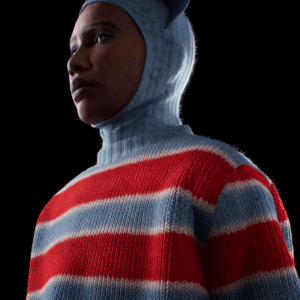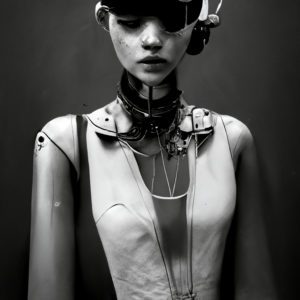

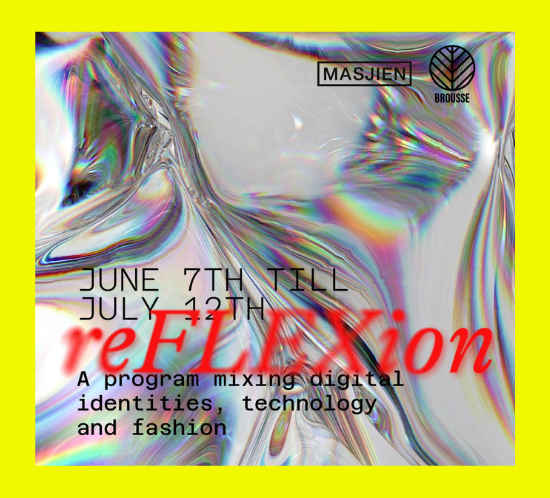
reFLEXion: mixing digital identities, fashion and tech

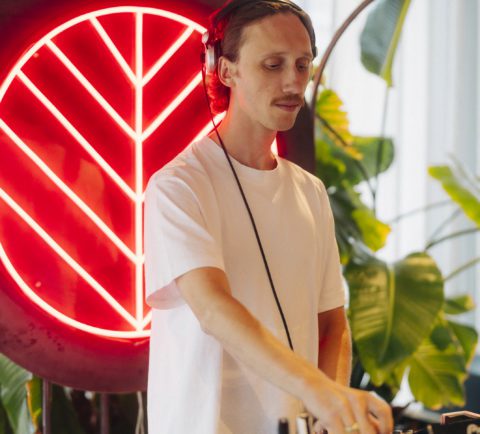
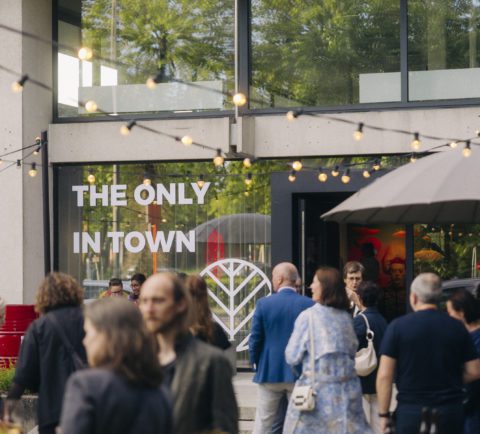
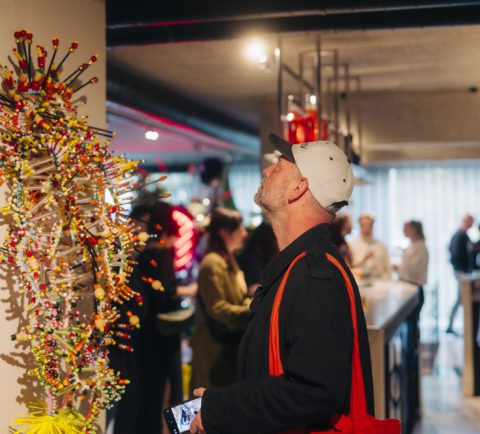
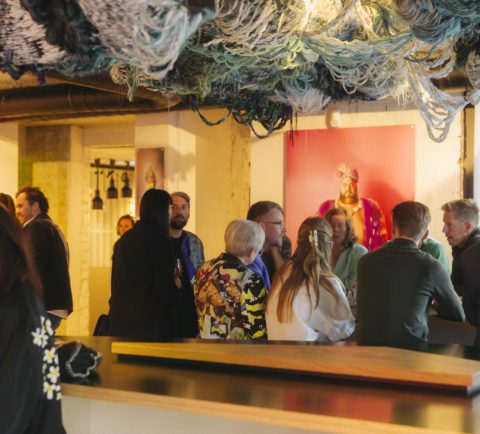
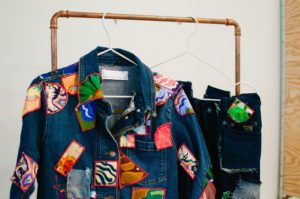
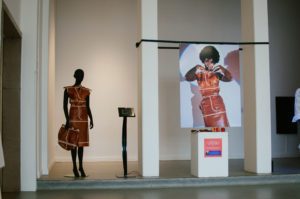
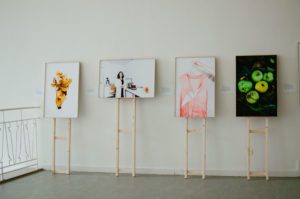
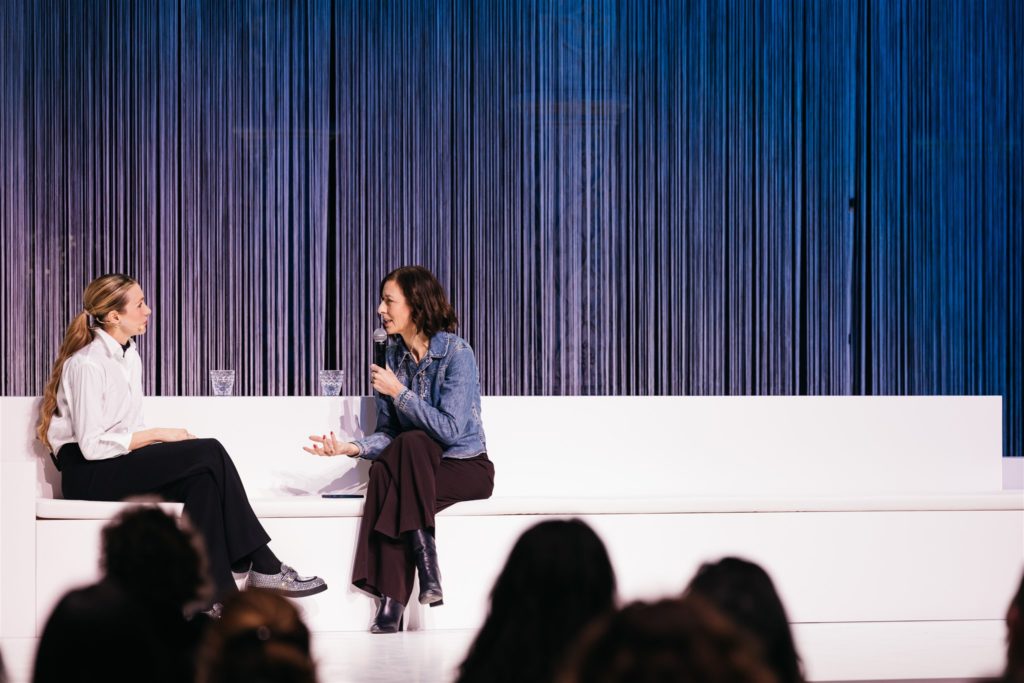
reFLEXion was a program mixing digital identities, fashion and technology with an exhibition, workshop, talks and events.  This exciting track, curated by Ann, was held at Brousse in Hasselt, Belgium, from June 7th till July 12th 2024. 

Let’s reflect on your digital identity and discover the many possibilities tech & creativity can bring.

reFLEXion explores the reflection of oneself,  the assets and identities we like to flex, and a contemplation on the impact of ever-evolving technologies on how we perceive, engage with and connect with fashion at large.

You could step into the future of digital identities at this inspiring art exhibition program curated by Ann Claes, merging fashion and technology, where innovation meets storytelling and creativity thrives by craftsmanship. Designers harness the power of pixels to create wearable art that mirrors the complexities of our modern identities. 

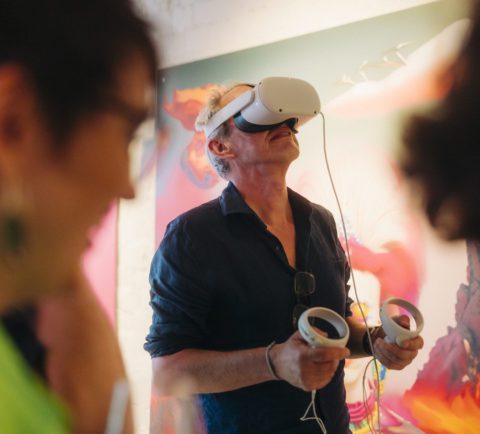
From virtual storytelling, AI generated design, digitally recreated historical garments to augmented reality showcases, an opportunity to experience the limitless possibilities of digital fashion as a creative and sustainable alternative. At reFLEXion visitors discovered how technology pushes creativity to the next level while also questioning its impact on future generations.

Let’s redefine the boundaries of what it means to exist in the digital age, celebrating individuality, innovation, and sustainability through the artistry that lies within the pixels. 

Visitors reflected on their own digital identity as they explored the immersive exhibits, where digital creations became more than just visual art—they became reflections of the self in the digital realm.  Visitors contemplated the evolving relationship between our physical and digital personas, and the ways in which we express and flex our assets in this new, interconnected world.
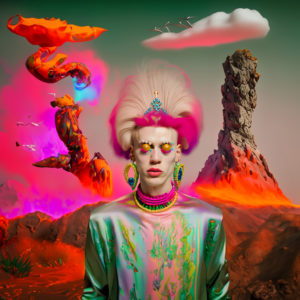
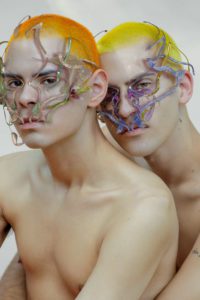
Crafting digital narratives in fashion

Technology is pushing next level storytelling and virtual identities through creativity & craftsmanship.  Visitors discovered how digital fashion elevates storytelling and virtual identities to new heights. reFLEXion showcased a curated selection of designers who are unique and excel on a global level, using cutting-edge technology to push the boundaries of creativity. 

Digital garments and virtual environments blend to craft immersive narratives, transforming how we express ourselves and engage with fashion in the digital realm. 

Reflection. Flex. Reflect. reFLEXion.


Artists:

  • Tom van der Borght
  • Artificial Intelligems
  • Sarah Mayer & Swords Studio
  • Angelescu Studio
  • Assaf Reeb – Digital Fashion Archive
  • AVØLVE                                                         
  • Aykan Umut
  • Studio Vergult
  • 0xVIZION
  • Let’s get Phygital                                          by PXL MAD, London College of Fashion &  EKA, Eesti Kunstiakadeemia
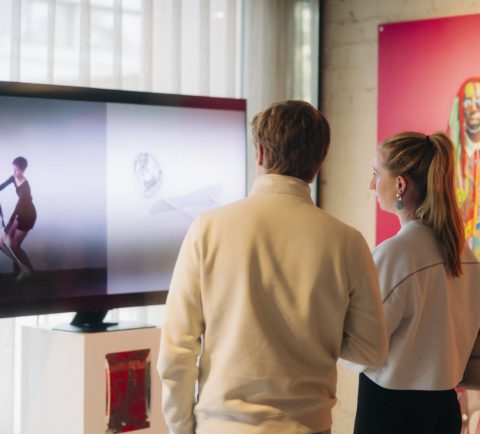
Brousse is not just a location, but a unique connection point where young emerging talent and established values from the (Belgian) creative industry come together. From art lovers to foodies, (creative) entrepreneurs, students, families and young people, everyone is invited to participate in our various activities and events.

At Brousse everything revolves around encounters. reFLEXion had several amazing moments – including an opening reception, brunches and a closing party – where art, music, food and good conversations mix.   

Cross-pollination is central to the story of Brousse, where young and old meet and together bring creative ideas and innovative projects to life.   An initiative by UAU Collective, creating a World of Wonders through architecture and cross sector collaborations.

Interested in setting up your own track, exhibition or meetup and want some Masjien-touch?  Reach out! 
Flanders Technology & Innovation Antwerp

The first edition of the FTI festival took place from March 15 to 24. The Ten Days of Tech put innovation and technology in the spotlight. 177,500 visitors immersed themselves in the latest technologies.

Masjien was curator of the fashion track in Hasselt and Antwerp.

On Saturday 23 and Sunday 24 March 2024, creativity, technology and innovation came together in Antwerp during the FTI Closing Festival. Enthusiasts took a look at the future of Fashion, Energy, Health, Mobility, Nutrition, Education, Digital life, Data privacy and Entertainment. The closing festival was an experience trail for young and old through the city and took visitors into the wonderful world of technology and innovation.

The fashion track was located in the Lotto Arena and had 3 parts that each showed different cases:

  • Fashion & Tech: innovations in the fashion sector
  • Circularity: how to make the sector more beautiful with sustainable initiatives
  • Future Front Row: the holographic fashion show


Some highlights

Fashion & Tech: innovations in the fashion sector

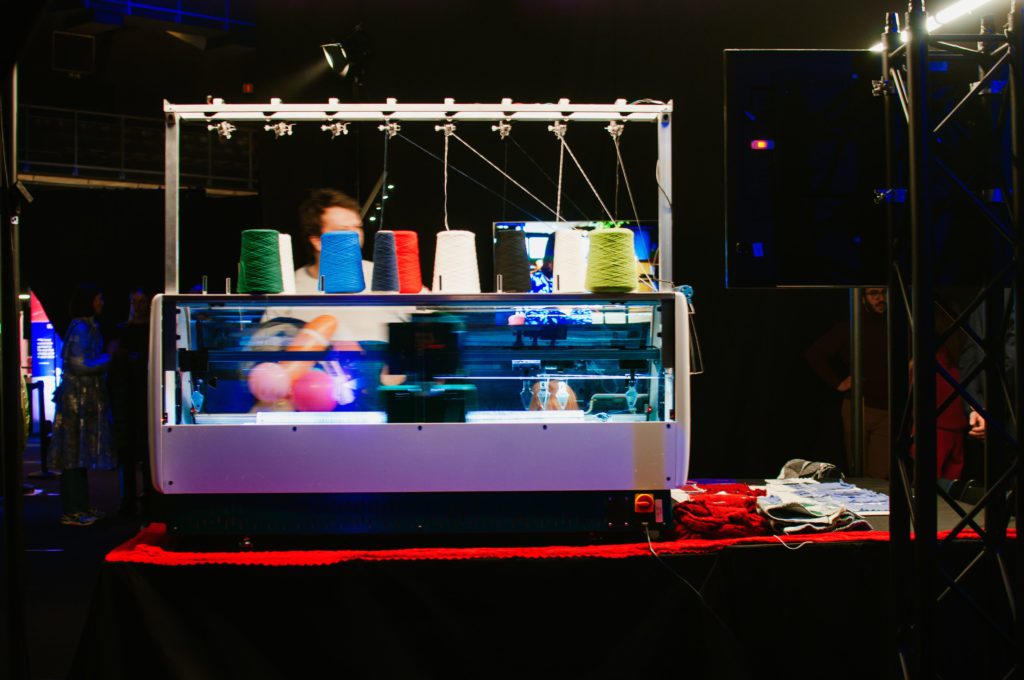
  • 3D knitting machine from the Antwerp Design Factory, part of the University of Antwerp.
  • AR effects by Playar and Sarah Mayer.
  • The Masjien office, a nice summary of the tools, skills and possibilities a fashion designer has at his or her disposal today to design and do business in a future-oriented manner. 

Circularity: how to make the sector more beautiful with sustainable initiatives

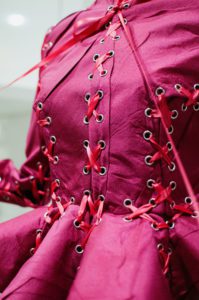
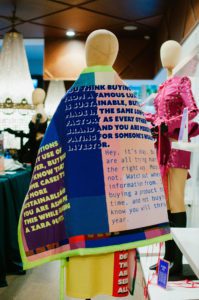
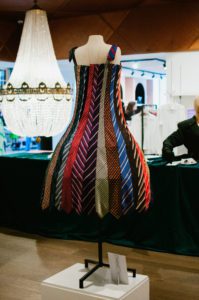
  • The Limburg Six showed their projects here, such as the apple leather look by Sander Bos, the DIY bag by Jordy Arthur and the backstage of a fashion show styled by Marie van Puybroeck, who proves that sustainability can also be colorful and inspiring.
  • Handbags made from mycelium, a collaboration between MycaNova and Lies Mertens
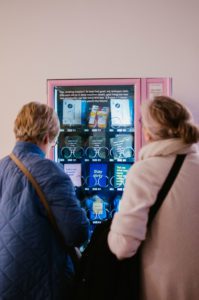
  • The non-vending masjien, a vending machine full of objects that encourage sustainability or are made according to circular principles. On top of that, you plant a tree in the Masjien forest with every purchase and we create impact together. 

Future Front Row:
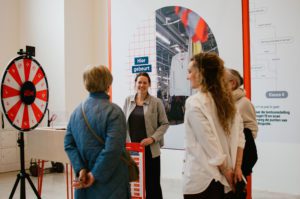
Every hour you could join the holographic fashion show, an inclusive and creative experience that lets you experience fashion in a different way. A digital fashion show as a sustainable alternative and creativity without limits.

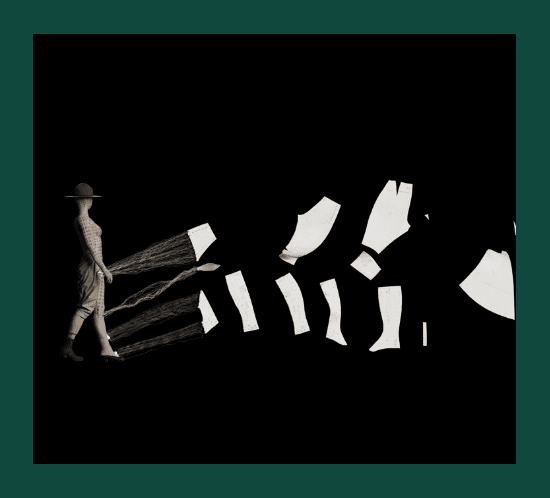
We launched the very first holographic catwalk of a historic riding costume from the archives of MoMu Antwerp. A project initiated by Masjien, developed by d’Archive in collaboration with digital textiles from Bakermat and a custom-made soundscape by Lola – Lolalita – Ilegems.

At FTI Antwerp you could discover 26 installations that demonstrated how innovation can drive the fashion sector. 

Of course Masjien loved putting together this programme, pushing buttons and boundaries, taking as many people as possible on this fantastic journey to a more futureproof sector.

Flanders Technology & Innovation Hasselt

The first edition of the FTI festival took place from March 15 to 24. The Ten Days of Tech put innovation and technology in the spotlight. 177,500 visitors immersed themselves in the latest technologies.

Masjien was curator of the fashion track in Hasselt and Antwerp

From Saturday 16 until Thursday 24 March 2024 circularity took over Hasselt during the FTI festival.

During this inspiring event, attendees discovered the significant impact clothing has on the environment and explored innovations making fashion more sustainable and beautiful. Through a variety of installations, workshops, and talks, the track showcased progressive brands, new revenue models, and cutting-edge technologies.

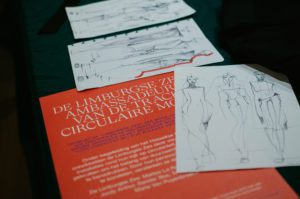
The track was open to the general public and included a special B2B offering. Ambassadors of this track, the Limburg Six, contributed their own installations and were joined by a network of partners including VITO, Stad Hasselt, Thomas More, Flanders DC, Avansa, Befrako, Cosh, Swishing Belgium, and more.

Visitors could explore a wide range of activities at Z33, the Fashion Museum, La Bottega, and throughout the shopping streets of Hasselt. 

Exhibitions & Installations

  • Projects by the Limburg Six: Discover the innovative work of our ambassadors.
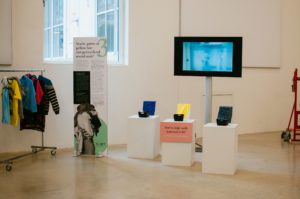
  • Expo “Color Confidence”: Learn about future-forward textile dyeing methods.
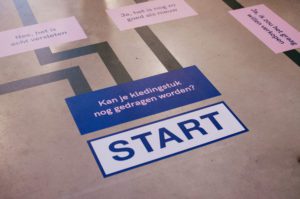
  • Decision Tree: Find out what to do with clothes you no longer wear.
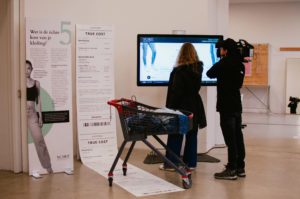
  • VITO’s Real Cost Simulator: Calculate the hidden ecological and social costs of your T-shirt.
  • Nanex Demonstration: See how to better protect your clothes, wash less, and reduce your carbon footprint.
  • Masjien’s ‘Non-Vending Machine’: Experience a unique installation where you pay to buy nothing.
  • SCIRT & INFINITEX Research Projects: Explore the future of textile recycling and new revenue models in fashion.


Interactive Activities & Workshops

  • COSH Shopping Card: Discover Hasselt in a sustainable way with our new shopping guide.
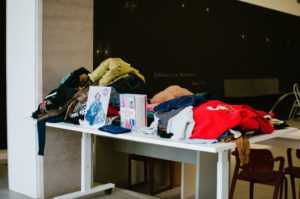
  • Swishing Clothing Exchange: Swap your pre-loved clothes for something new-to-you.
  • Upcycling Workshop: Create a unique bag from old city banners and flags, designed by fashion designer Jordy Arthur in collaboration with Avansa.
  • Creative Studio by Stitchlie: Learn upcycling and repair skills, powered by Befrako
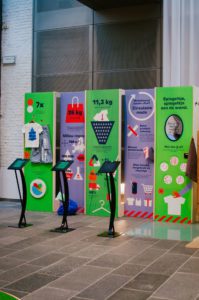
  • VITO Knowledge Quiz: Test your sustainability knowledge with an interactive installation by VITO.
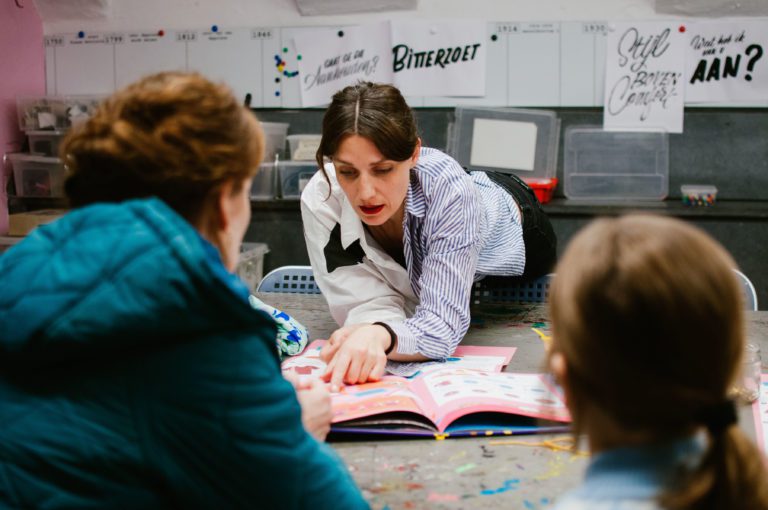
  • Children’s Book Open Studio: Step into the world of “Do Trousers Grow on Trees?” and weave your own dream catcher from old textiles.
Short Lecture Series by Tessa Borrenberghs:  a series of insightful talks titled “The Impact of a Good Product.”

Engaging presentations by the Limburg Six ambassadors

Explore a different perspective on circularity with the ‘Limburg Six’ — six fashion entrepreneurs and friends who bring creativity and innovation to sustainable fashion. Guided by the Hasselt Fashion Museum, each ambassador has developed a unique and inspiring installation showcasing their vision of circular fashion. 

Mode Meetup: Impact Talks

On Monday, March 18 2024, the ‘Mode Meetup: Impact Talks’ took place, a part of FTI Hasselt that was put together by MASJIEN. Companies from all corners of the ecosystem shared insights about a circular fashion industry and what you need to know as a fashion entrepreneur or retailer for the future. 

Discover the future of textile recycling, new business models and the cost of sustainability. We not only look at technological innovations, but also at the role of the customer. What hinders them? Who really cares about sustainability?

Panel discussion: Will we recycle our way out of trouble soon? with Frank Dingemans (Kringwinkel Antwerp), Julie Lietaer (European Spinning Group/Ariadne Innovation), Tom Duhoux (VITO) and Jasmien Wynants (MASJIEN) as moderator.

Panel discussion: How does the customer view sustainability and what is the role of fashion brands? with Peter Perquy (DurorGroup – Terre Bleue/Zilton/Gigue), Charlotte De Vooght (Filou & Friends), Sara Kovic (Okret) and Simon Gryspeert (Flanders DC) as moderator.

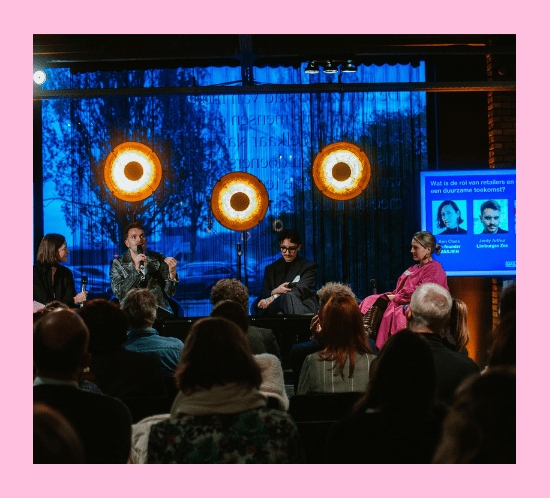
Panel discussion: What is the role of retailers and fashion designers towards a sustainable future? with Jordy Arthur, Marylène Madou and Matteo La Rosa from the Limburg Zes and Ann Claes (Masjien) as moderator.

This meetup was organised by MASJIEN as part of the Flanders Technology & Innovation Festival in Hasselt. MASJIEN did not only organize this B2B event, but was also curator for a full blown B2C track inspiring the broad audience on circularity in the fashion system. Check out more here.


In partnership with VITO, Stad Hasselt, Thomas More & Flanders DC

Interview Scandinavian MIND: Fashion Talks in Antwerp

Scandinavian MIND broke down what happened at the Fashion Talks in Antwerp; where leading industry voices came together to discuss how tech enables transformation. Industry visionaries at McKinsey & Co, Ellen MacArthur Foundation, and Masjien lay out the roadmap for the forthcoming changes happening in fashion, leading towards growth and circularity.

Representing Masjien: Ann Claes

Scandinavian MIND is the magazine covering the intersection of lifestyle and technology. They believe that convergence of different fields is the way forward for technology, fashion, design, entertainment, gaming & other industries.

Column by Ann for De Tijd: Will conversing with AI friends become the norm?

A monthly view on technology, shared by Ann Claes for Belgian newspaper De Tijd. 

Avatars are more than toys for children. They are increasingly being developed into powerful digital tools.

November 2, 2023, De Tijd

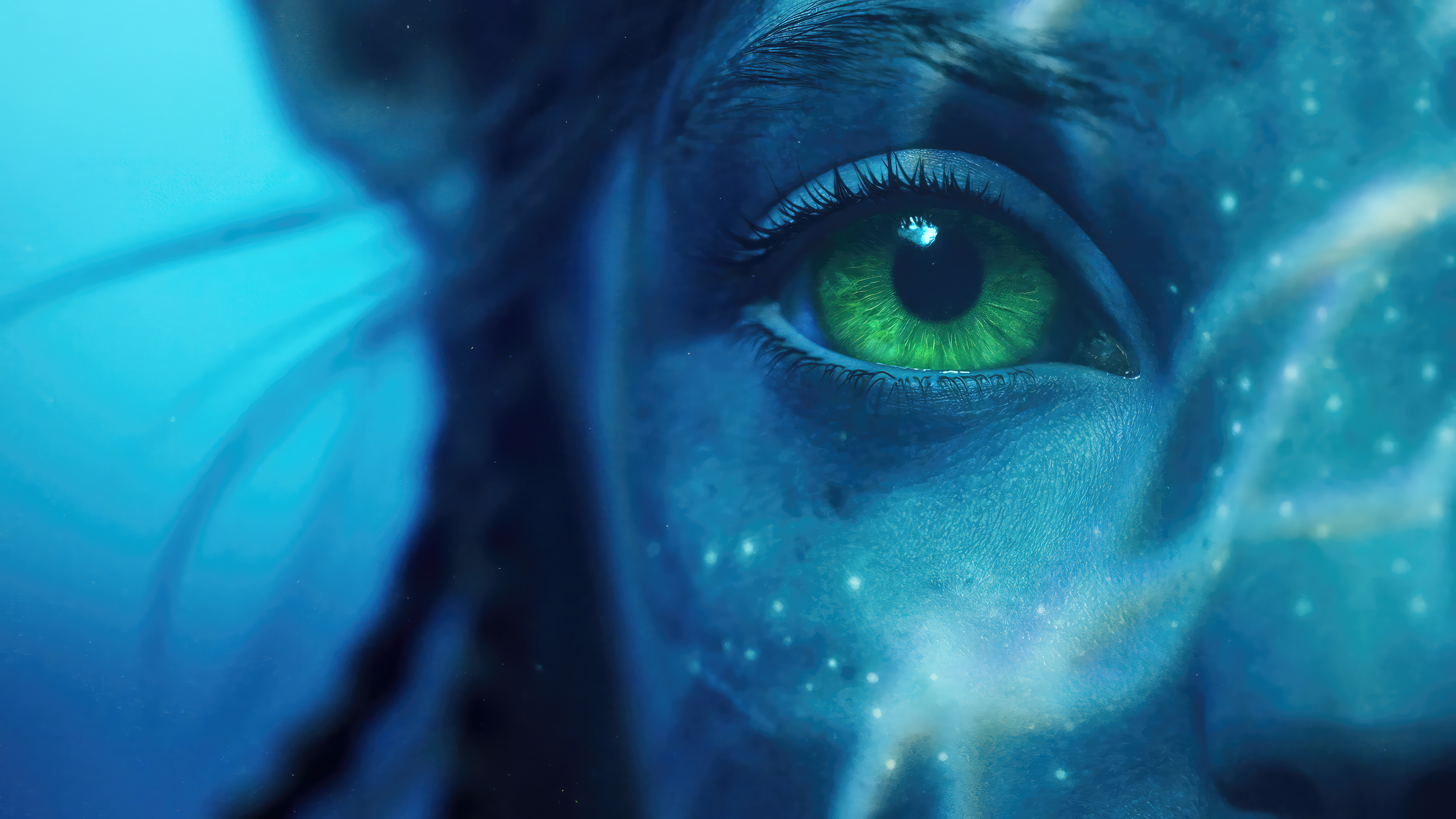
What first comes to mind when you hear the word “avatar”? The blue creatures from James Cameron’s science fiction films? Or maybe you think of Aang, the bald character from the Nickelodeon series “Avatar. Or do you think of avatar lookalikes on Instagram for your stories? Or rather game characters?

As recently as 38 years ago, ‘avatar’ had only a spiritual meaning. The Sanskrit word “avatar” literally means “the descending one,” referring to incarnations of divine beings in human or animal form who bring peace and balance. That changed in 1985 with the computer game “Ultima IV: Quest of the Avatar” or with Neal Stephenson’s cyberpunk novel “Snow Crash. The creations in the game and the novel already exude a little less calm and balance.

This year, 16,800 research articles were published already on avatars. These studies range from the best technological evolutions to the impact and psychology behind them. Technological evolution is moving fast, our society and regulations are still lagging behind.

A new era where adopting multiple identities and conversing with AI friends may become the norm. 

Avatars are evolving into powerful digital tools, customizable and versatile, present in online worlds and marketing strategies. Some of the best-known avatars are virtual influencers such as Lil Miquela and Imma, the product of marketing teams. Consider also rapper Travis Scott, whose virtual concert in the online game “Fortnite” reached more than 27 million visitors and generated millions in digital merchandise.

A shift is underway from role-playing games coordinated by filmmakers and game developers to applications in the metaverse where users take much more initiative. Users are creating impact themselves, and that can have both positive and negative consequences. We are at the dawn of a new era where adopting multiple identities and conversing with AI friends may become the norm. “Creating an avatar should be as important a step as the birth of a child and should not be reduced to clicking a few buttons,” writes researcher Heera Shin. Awareness already seems urgent to me.

Artificial Intelligence and the development of avatars

At the same time, there are everyday applications that give me aha experiences. Consider the use of avatars to optimize e-commerce, such as the start-up Lalaland. Which allows clothing models to be created with AI, acting very inclusively through numerous body types. Better visualization can lead to better choices, more sales and fewer returns.

Artificial intelligence is accelerating the development of avatars today. The movie “Her,” which received an Oscar in 2013 with a story about a man who develops feelings for his virtual assistant with a female voice, seemed to show a distant future a decade ago. ‘Be Right Back,’ the best episode of the ‘Black Mirror’ series, depicts the next variation of an avatar: a deceased person brought back to life virtually. The “digital descendant” is ready for a new chapter with his digital identity. With this, I like to tip off possible new references for the word “avatar,” beyond blue mythical creatures.

'Be Right Back,' episode of 'Black Mirror'

Interview for So Soir: Mode & Techno

So Soir, October 21st, 2023

THE FUTURE OF FASHION, IT IS NOW !
An expert in the intersection of fashion and technology, Belgian innovator Ann Claes underscores the pivotal role science can play in advancing sustainability throughout the entire lifecycle of a product. To achieve this, industry stakeholders need to embrace these cutting-edge technologies with an open mindset. For instance, adopting waste-free patterns, eschewing water-based dyes, and utilizing soluble threads can significantly enhance recyclability during the design and production stages.

Furthermore, the integration of blockchain-type databases introduces a new era of transparency, enabling a comprehensive view internally and among brand partners. This transparency proves crucial in the sales and communication phases, empowering consumers with detailed insights, fostering confidence in their shopping decisions, and allowing them to appreciate the sustainable strides taken by each company.

In the realm of online shopping, tools such as pruning, adjustment features, virtual trials, and robust visualization tools simplify the process. Personalization not only enhances customer engagement but also forges a unique connection and emotional value, showcasing a commitment to a more sustainable and personalized future.

Ann Claes also welcomes the arrival of gaming in the world of fashion:  immersive experiences allow you to create a real connection with a brand. Also sustainable consumption can be improved: I am thinking in particular of care labels, smart devices, that can be connected to your washing machine or even resale applications and platforms. 

For luxury brands, tech is already a daily reality: from Patou, who uses AI to track down counterfeit products, to Zegna which attempts to improve the purchasing experience in this way, including Valentino and Prada which, for their campaigns, mix real images and machine intervention.

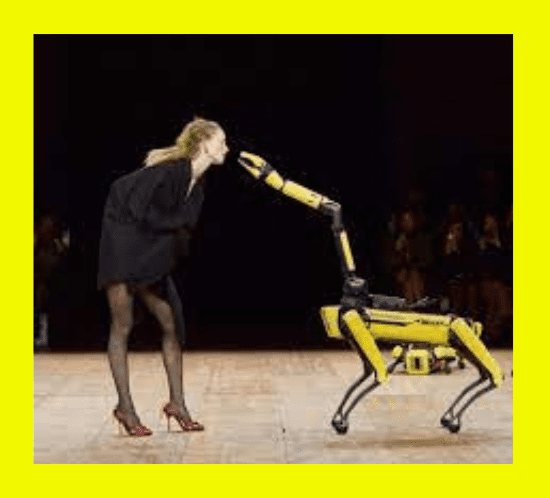
Robot dog at the show of Coperni

AND TOMORROW ?

When asked about the future of fashion, Ann Claes is very positive. For her, the technology is not about to replace the human, quite the opposite. Each technology requires a starting point, whether it is a handmade sketch or choice of pattern. If, at otherwise, we continue to repeat data existing or to create copies of copies, the creativity could, it is obvious, disappear, she warns.

It is also impossible to talk about AI without mentioning the range of new talents that these advances make essential. In the Tian Su team, in charge of personalization concepts for consumers at Zalando, the human brain indeed remains central: Technological progress in the fashion industries are the result of combined efforts of numerous collaborators from varied areas of expertise. In the team of Stacia Carr, this collaboration takes the form of heads of product, UX/UI designers, product analysts, data, engineers, scientists, project leads and fashion experts. To this are added technical groups, business units, studios, distribution centers, etc.  The synergy resulting from skills and unique perspectives from these diverse teams stimulates a global approach to innovation.

In the near future, Ann Claes looks forward to more systematic use of the passport digital (a sort of identity card of the clothing), already implemented by some brands. And if you, as a fashion consumer, are in a fun, ecological (and innovative) mood, the expert suggests that you buy, why not, a pair of virtual earrings for your next Zoom meeting.

Interview for Feeling : How artificial intelligence is conquering the fashion world

Feeling, August 10th, 2023

The pope in a puffer jacket? How artificial intelligence is conquering the fashion world

Chatbots that do your homework, deepfake interviews and computer-generated pop songs: AI is everywhere. And the fashion world is also eagerly jumping on the fully automatic bandwagon. Will artificial intelligence soon make designers and models of flesh and blood superfluous, or can man, machine and fashion exist in harmony?

In the fashion world, people are rarely surprised by an unusual look. Actor Jared Leto in a photorealistic cat suit? Yawn. Beyoncé in a UV-reactive stage outfit that changes color? Been there, done that. And yet some strange faces have made us stare at our screen in amazement over the past few months. Was that the pope as a hypebeast in an oversized puffer jacket? Will the entire Harry Potter cast, including Voldemort, star in the new Balenciaga campaign? Before you question the power of your Tom Ford glasses: the images described above are not real, but the work of generative AI, or artificial intelligence.

In 2023, fashion seems to be largely about generating memes and moments with cultural impact. Well, to put it in internet jargon: AI is the moment. After NFTs and the Metaverse, “artificial intelligence” is the latest buzzword in the world of technology and beyond. However, for every fashion house that comes up with an AI campaign, there is an artist or designer who sues for virtual plagiarism. Artificial intelligence is based on machine learning (see AI for dummies) and learns to recognize and predict patterns based on previous data. Show an AI application 100 dresses and your computer will spit out what looks like a dress. Show that same AI application a thousand or even ten thousand dresses and your frankenstein design – a new creation that builds on pre-existing images – can rival the work of a real, maybe not very original, designer.

Old technology in a new (puffer) jacket

That may sound futuristic, but AI is not new. The technology has been around since the 1950s and chances are you use it every day. Virtual assistants such as Siri and Alexa, smart cars and smart vacuum cleaners, the recommendations you get from Spotify and Netflix, are all based on AI. What is new is the speed with which everything evolves. For example, the internet is flooded with uncanny images, created with AI applications such as DALL-E and Midjourney. Those image generators convert a textual description, or prompt, into an image. The more detailed the prompt, the more realistic the end result, with the result that real and fake are increasingly difficult to distinguish.

The puffer pope, an AI creation by internet user Pablo Xavier

For example, US celeb Chrissy Teigen tweeted: “I thought the pope’s puffer coat was real and didn’t think twice about it. No way that I will survive the future of technology.” Teigen isn’t alone in her concerns. Computer scientist and AI pioneer Geoffrey Hinton himself recently sounded the alarm about the rapid and unbridled advance of technology. Within the fashion world, as in other creative sectors, people seem to be mainly afraid of job losses and the risk of plagiarism. While those concerns are legitimate, they are not holding back progress. Online trade magazine The Business of Fashion makes the analogy with the Luddites, who destroyed weaving machines in nineteenth-century England as a protest against the industrial revolution: “The Luddites didn’t get very far by destroying machines. In any case, the fashion world will have to start thinking about how to incorporate those tools in ways that take into account the new reality, without leaving workers out in the cold.”

The Emperor’s Clothes

That AI, in addition to dangers, also offers many opportunities within the fashion world, confirms fashion and technology expert Ann Claes: “AI can speed up or improve certain things. You can have a business plan or press text written out by ChatGPT and mood boards can be created faster in Midjourney. I mainly see AI as a tool to improve and optimize your work.” Sketching, pattern drawing, copywriting, grading; the applications are endless.”

Currently, large fashion companies invest the most in artificial intelligence. Claes: “Larger players can switch gears more quickly. For example, Zalando recently launched a ChatGPT application.” This application takes the form of a fashion assistant that guides you through the webshop’s offerings. For example, if you ask ‘What should I wear to a wedding in Santorini?’, the chatbot will know that it is a formal event in a warm climate and will link to relevant items.

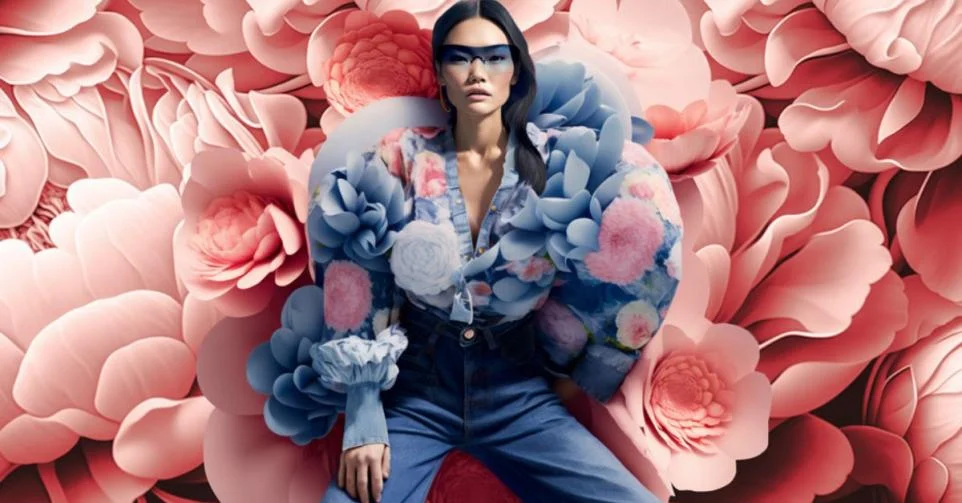
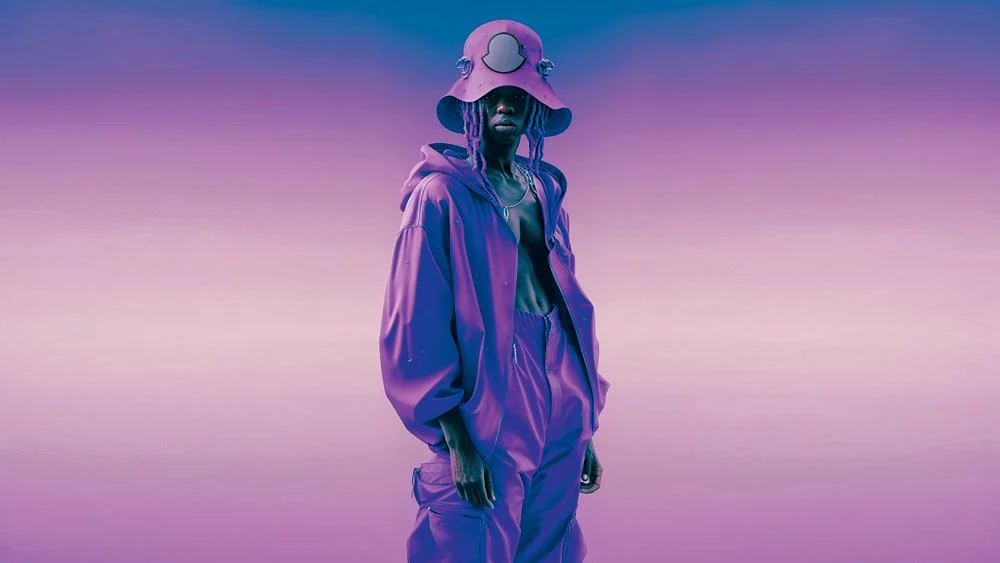
Fashion brands use AI not only as a personal shopper, but also as a creative director. The Spanish Stradivarius, sister of Zara, put its spring collection through the AI mangle and created dreamlike images in which virtual models wear floral blouses that don’t really exist. According to the brand, it is “an exaggeration of the collection that reflects what fashion could be if reality did not limit us”. Creative freedom or consumer fraud? Online shoppers can, of course, view the existing collection before pulling out their credit card. This way you avoid buying an artificial cat in a bag. In the luxury segment, virtual campaign image and real garment are closer together. For example, M3GAN, the AI killing machine from the horror film of the same name, wears an almost sold-out hoodie by Heaven by Marc Jacobs and the creations from Moncler Genius’ AI campaign in collaboration with Adidas and Alicia Keys walked the catwalk during London Fashion Week at the end of February. The emperor’s new clothes are now on sale.

Moncler Genius x Alicia Keys AI campaign created by Maison Meta

Metamodels

Leaving aside the Moncler show, AI fashion is often worn by AI models. They populate digital parades and are increasingly popping up in the world of e-commerce. Levi’s recently announced that it would be teaming up with Lalaland, a Dutch tech company that develops software that brings virtual, but extremely realistic-looking models to life. Founder and CEO Michael Musandu, born in Zimbabwe and based in Amsterdam, started his company from a personal loss: “I never felt represented as a person of color when shopping online. Like any good technology enthusiast, I decided not to wait for the future, but to create it myself through artificial intelligence. With Lalaland we want to make webshops as diverse as the market they serve. We do that by supplementing traditional photography with AI-generated models.”

Major brands such as Levi’s and smaller labels such as the Dutch Ophilia use Lalaland’s software to create models in every possible size and skin color. That seems inclusive, but critics argue that real models with a diverse look are losing jobs because of this revolutionary cost-cutting campaign. The phenomenon is called ‘digital blackface’: the online appropriation of black images by non-black people. Musandu contradicts that: “Brands that take inclusion seriously will continue to hire diverse models, but it is impossible for them to shoot every look on nine different types. Thanks to our software, this is possible and you get an even better representation. In addition, we have created a completely new earnings structure for minority groups. They can license their data – say, images of their hair or hands – as one-off training material for our AI application. There will always be a need for real models to make an interpersonal connection with consumers and drive traffic to a webshop. An AI model can never compete with that.”

Anyone designer?

While international retailers are investing massively in the new technology, things are not going that fast in our country yet, according to Claes. “If I ask a hundred designers if they work with AI, a dozen may say they have already experimented with it and only a handful actually use it in their creation process.” AI is more popular among young Belgian creatives. After all, thanks to programs such as Midjourney, even people without a fashion background can conjure up amazing designs from their hats – with some IT knowledge or self-study.

“The available AI tools are more user-friendly than ever, so more and more people are using them.” Jerry Galle, artist and researcher affiliated with the AI lab of the School of Arts in Ghent, also sees this democratization: “AI offers incredible possibilities for a starting designer or artist. It is a kind of mirror for everything that floats around on the internet and a search engine within our culture. I think Andy Warhol would have found these developments very interesting.”

In the future, according to Warhol, everyone would be famous for fifteen minutes, but will everyone with a computer and internet connection be allowed to call themselves a designer in the same future? According to Shayli Harrison, the answer is twofold. The Australian graduated from the Antwerp fashion academy in 2018 and makes digital couture, or 3D assets, that your avatar can wear in games and the Metaverse. “If you’ve designed something in DALL-E and you want to call yourself a designer, go ahead, but fashion is more than pretty pictures. Being a designer also means having a critical eye and developing your own aesthetic. In addition, fashion is an applied art; you still have to apply them.” Claes also agrees: “There is a big difference between creating a beautiful image for your Instagram and actually creating physical production. This requires a lot of other skills that AI does not have.”

Fashion vs. machine

Even according to its biggest supporters, AI can never completely replace a human being made of flesh and blood, but we should not dismiss the technology as a gimmick. Harrison sees it as a way of thinking outside the box: “It leads to combinations and thoughts that you wouldn’t come up with yourself. I know several designers at major fashion houses who feed AI with existing designs from the brand as input and then see what comes out.” Galle also sees this working method as an interesting avenue for the designers of today and tomorrow: “AI provides visual links that you would not easily make yourself. The only drawback when working with existing datasets is that it sometimes seems pre-made, like a mash-up of existing images. That’s less exciting from an art or fashion perspective. Only when you re-enter the output and question the system you get an enrichment.”

So we get to the point: can AI-generated fashion, which is by definition based on previous designs, ever be truly original? “That’s a tough question,” says Harrison. “Fashion is cyclical anyway and refers to the past to create something new. In that respect, AI mode is not that different.” Besides being a designer, she is co-founder of Mutani, a company that connects designers with digital makers, helping to translate fashion into an online identity. Together with five other tech savvy alumni of the Antwerp academy, including current director Brandon Wen, she winkingly dubbed herself ‘The Antwerp Cyber-Six’, by analogy with the Six of Antwerp. Simply put, the virtual world is Harrison’s second home. She was therefore very interested in the first AI Fashion Week, organized by creative AI studio Maison Meta in collaboration with American webshop Revolve.

More than four hundred designers from all over the world participated in the very first AI fashion week, from which a professional jury ultimately selected three winners. They will soon have the opportunity to bring their work to life within a tech incubator and launch their collection on Revolve and sister website FWRD. So there remains a place for humans in this fashion world ruled by machines and algorithms. From the as-yet-unknown designers, who weave aesthetic sense and IT skills into original AI designs and guard their prompts as state secrets, to the manufacturers, studio and factory workers who will be required to produce the physical clothing. “I don’t see a complete automation in which an AI application autonomously designs and produces clothing happening,” AI artist and critic Galle reassures us. “Then you are already talking about a conscious AI application and the question is whether you can create consciousness within a binary system. I do not think so.”

Will AI play a lasting role in the future of fashion and the fashion of the future? According to Claes it is: “The genie is out of the bottle; you can no longer imagine AI without it. It will therefore become even more important for designers to have a clear vision and to curate it. Creativity remains the great differentiator and determines what we as humans can contribute.” Harrison also emphasizes this: “You only have a problem if the AI application is better at your job than you. (laughs) Anything made by human hands will become even more valuable in the future. Currently, companies are greenwashing, claiming that their clothing is sustainable. Perhaps new quality marks will be invented in the future to distinguish us from AI and brands will then start human washing: this product was made by a human being.”

Interview for Bloovi : WEB32 brings together a community of technological visionaries

WEB32: “It’s about connecting, experimenting and inspiring”

Bloovi, April 10th, 2023

In June 2022, the WEB32 networking event brought professionals and those interested in web3 together for the first time in the Waagnatie in Antwerp. Due to the great interest and the positive reactions, a second edition of the ‘inspiring deep dive into web3, NFT’s and The Metaverse’, as the organizers describe it, will be held on September 27. “WEB32 is not about which NFTs to buy, how to make money from them or any other financial advice. Bringing the community together, highlighting the innovative possibilities of web3 and looking for potential: that is our goal”, emphasize the three organizers Ann Claes, Gilles Den Haese and Thomas Lambert. A matchmaking event, in other words, which the city of Antwerp supports 100%, and therefore also financially supports it.

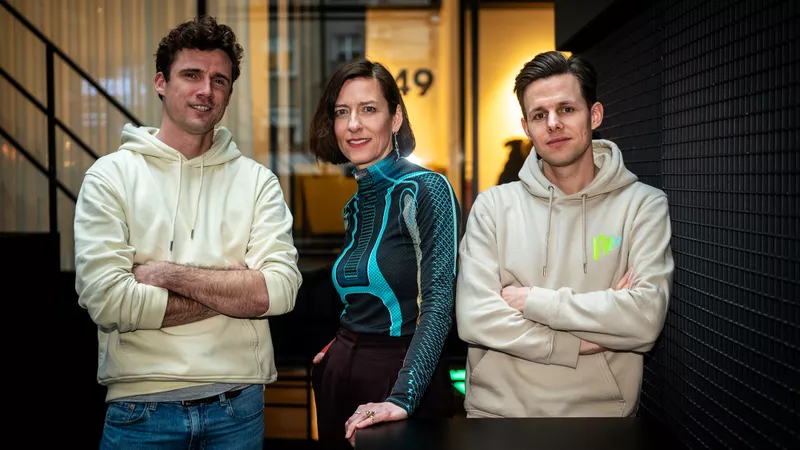
Gilles Den Haese, Ann Claes en Thomas Lambert (©Jonathan Ramael)

For those who hear it thunder in Cologne: web3 is a decentralized version of the internet where not the big tech companies, but the user himself is in control. Concepts such as blockchain technology, NFTs and token-based economics are central here. “Web3 and blockchain technology can create added value in the back-end on the one hand, so on the supporting and practical side.”

“On the other hand, web3 creates numerous opportunities on the soft side. It makes it possible to work even more customer-centric. In co-creation, segmented, transparent and with extra experience, in order to build and serve a community.” explains Gilles Den Haese, who has long been fascinated by the wonderful web3 world.

Den Haese is the co-founder of 0x32, the first NFT/web3 community in Belgium that brings together professionals and interested parties to exchange thoughts and experiences and thus learn from each other. In addition, the self-proclaimed cryptonative entrepreneur is active with his company OG studio in various web3 projects, from strategy and education to development and community building.

Den Haeses 0x32 co-founder Thomas Lambert also said he struggled ‘deep into the web3 rabbit hole’. As a co-partner and creative director of OG Studio, he helps companies and other creatives discover the many possibilities of web3 and convert them into impactful projects.

Sharing knowledge about web3 via WEB32

“In 2022 we organized a meetup in Antwerp with 0x32 and we met Ann Claes there”, Den Haese recalls about their meeting with the fashion project manager at Flanders DC and founder of Mutani, which aims to form a bridge between (fashion) designers and digital worlds and games. “We got talking and it quickly became clear that we shared a huge passion for web3. One thing led to another, namely the idea of organizing an event together in Antwerp”, he continues.

“NFTs, the metaverse: it all evolves at lightning speed and for many it remains something very abstract. Nevertheless, interest is increasing and we see many creative initiatives and valuable projects emerging, also locally,” says Claes. A good example is the ‘Signum’ platform recently launched by diamond and tech company HB Antwerp, where blockchain technology brings diamonds to life in the metaverse.

Venly is also fully committed to the blockchain to help companies make an impact with web3. Together with Shopify, they developed a standard webshop template with which the Antwerp digital fashion network can sell Mutani NFTs. And let’s not forget the Tomorrowland NFT collection, with which fans experience ‘the ultimate experience’ with exclusive content and first access to new activities, among other things.

“Because of all these great examples of impactful web3 projects in our own country, we thought: let’s organize an event in Antwerp that makes this all very concrete, recognizable and accessible,” Claes continues. No sooner said than done: based on their shared fascination, knowledge and drive to bring people together, Claes, Den Haese and Lambert joined forces. WEB32 was born.

B2B matchmaking supported by the city of Antwerp

The first edition of WEB32, which took place in June 2022, was created with the support of the city of Antwerp. Every year, the city provides a budget for the financial support of matchmaking events. At these events, entrepreneurs can make the right contacts with companies and organizations that help them to find capital or talent, or to further grow their business.

“Since we focus on a professional target group and want to bring people together and inspire, we fit in perfectly with that picture. The city believed in our idea,” says Claes. “We were ‘just’ three people who came up with an idea to bring together entrepreneurs who want to know more about web3 and to share knowledge and expertise in the matter, not a big company with a real marketing machine. We are therefore very grateful to the city of Antwerp for giving us the opportunity to realize this.

We are therefore very grateful to the city of Antwerp for giving us the opportunity to realize this

In 2022, the event welcomed just under 400 visitors to the Waagnatie in Antwerp. “It was clear that there is a great need for clear information, concrete cases and the exchange of experiences,” says Claes. After last year’s great interest, there will be a second edition of WEB32 on September 27, 2023.

“The last event was in June, which in hindsight may not have been the best time as many young people were taking exams then. This year we are aiming for autumn because we consciously want to involve the young generation as well. After all, we believe in their potential to make a contribution, and we notice that they are open to the new possibilities that web3 offers and that they feel like immersing themselves in it”, says Claes.

Empower visitors

What can visitors expect from WEB32? Just like last year, you can attend an inspiring mix of talks and panel discussions with leading companies, creatives and other visionary thinkers. You get the chance to fully connect with the community and discover what web3 and the metaverse can offer you and your company.

In addition to technology, a lot of attention is paid to creativity. “We also organize ‘meet the expert’ sessions where you have a one-on-one conversation for half an hour with people who are active in the web3 world in various fields. Our focus is on ‘local heroes’, because there are already so many great projects in our own country and we should be proud of them. Networking and making the network work: that’s what we want to achieve with WEB32,” says Claes.

“We all realize the value of the technology, but we especially want to look beyond the hype to concrete use cases. But also what it can mean for entrepreneurs, creatives and companies looking for a solution, or just for inspiration,” says Lambert. “We target both people and companies who are already involved in the whole web3 thing and those who want to get started and need a little extra push and accessible information. In this way we want to empower visitors so that they can get to work and make an impact.

The organizers emphasize that they do not want to push anyone in a certain direction. Both supporters and opponents are welcome on WEB32 to learn, experiment and inspire. “We realize that there are still pain points with the technology, it is certainly not all ready yet.”

“This is how we push each other forward and that ensures that we were able to grow in such a short time. While in the beginning we had to pull the cart everywhere ourselves, people and companies are already coming to us with ideas and proposals to work together for WEB. It is nice to experience how everything is growing organically.”

We hope that we can once again welcome many enthusiastic visitors on September 27!

“What I especially like is that none of our team knew each other before. This entire project really stems from our shared passion. We all do this in addition to our main job, so that proves our drive and mindset to go for it. We do not have a major economic goal, we just want this technology to be used as much as possible because we believe 100% in the impact it can make.”

“WEB32 was the very first web3 event in Flanders, and also the largest in Belgium. That makes us forever unique. This is really from the community and for the community. We hope that we can once again welcome many enthusiastic visitors on September 27!” conclude the organizers.

Subscribe HERE to the WEB32 newsletter to be the first to know about the next edition.

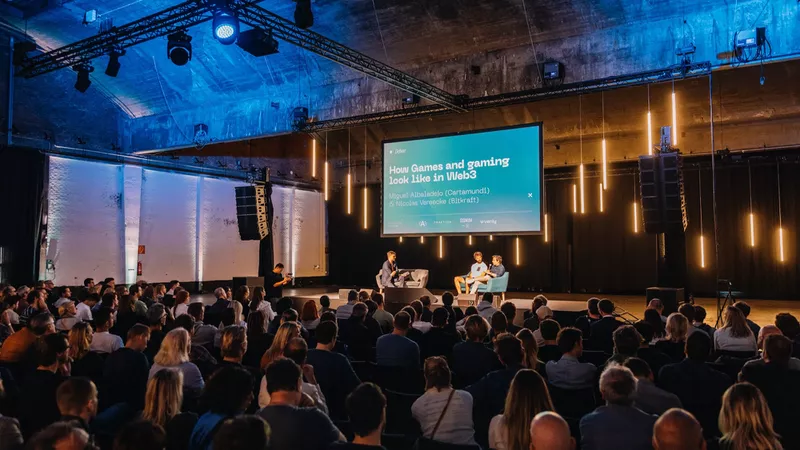
WEB32 (©Fille Roelants)

Ann new member for Board of Directors at CRG group (JBC, Mayerline, CKS)

The board of directors of Claes Retail Group (CRG), the holding company above JBC, Mayerline and CKS, has gained two strong women. Ann Claes of Flanders DC and Lieve Pattyn of pharmaceutical giant EG join the Board.

Retail Detail, October 7th, 2022

Complementary knowledge

Ann Claes, not to be confused with the eponymous co-owner of JBC, is co-founder of digital fashion agency MUTANI and project manager at Flanders DC. Lieve Pattyn is marketing director at EG, the so-called ‘white products’ of the Belgian pharmaceutical sector.

“The expertise of Ann Claes and Lieve Pattyn in the field of creativity, marketing, consumer behavior and digitization is complementary to the knowledge already known to the CRG board of directors,” says Bart Claes, CEO of Claes Retail Group. Claes is also proud of gender equality in the company and now also the board. “With JBC, we were even awarded the X² Award for it, as the most progressive company in the field of gender-equal entrepreneurship.”

In addition to Ann Claes and Lieve Pattyn, co-owners Ann and Bart Claes, Ter Beke CEO Dirk Goeminne, Concentra CEO Patrick Hermans and Veepee COO Peter Grypdonck sit on the board of directors.

Loading new posts...
No more posts